Ultra-high Molecular Weight Polyethylene Fiber
Product introduction
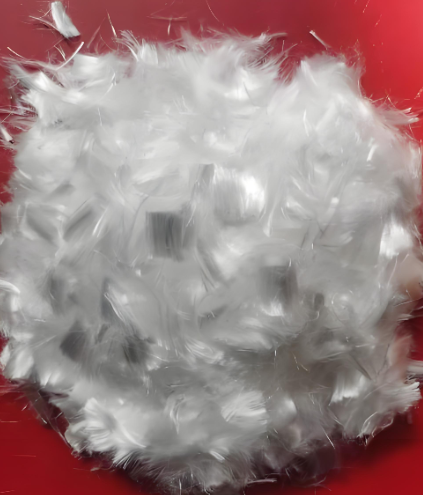
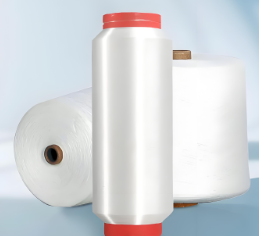
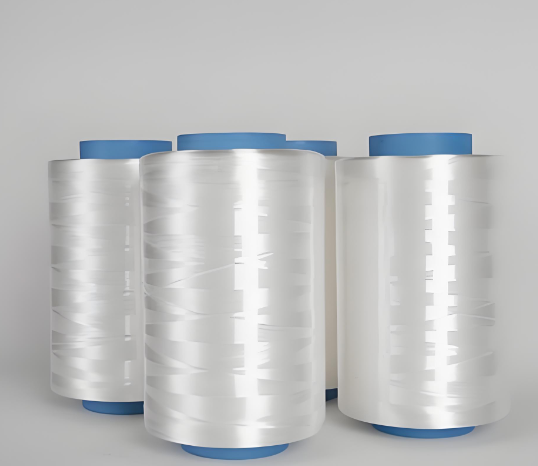
Ultra-high molecular weight polyethylene fiber reinforced concrete is a new type of concrete material with broad application prospects. Its application can improve the safety performance and service life of engineering, reduce construction and main tenance costs, and meet the requirements of modern engineering construction.Polyethylene fiber reinforced concrete is a type of concrete made by adding a certain proportion of polyethylene fibers to the concrete and undergoing processes such as mixing, pouring, and curing. Polyethylene fibers can effectively improve the crack and impact resistance of concrete, while also reducing the shrinkage deformation of concrete. They are mainly used in subway tunnels, large bridges, and highways.
Technical specifications
Executive standard GB/T 29554-2013
| Fiber type | Monofilamentous | Linear density | >1.3 |
| Single filament diameter | 15±3μm | Tensile strength | >3000Mpa |
| Acid and alkali resistance | Extremely high | Dry heat softening point | >260℃ |
| Thermal conductivity | Extremely low | Water absorption | Nothing |
| Elastic modulus | ≥35000Mpa | Short cut length | 6mm or 12mm |
| Safety performance | Green, environmentally friendly, non-toxic | Self divergence | Good |
Application area
1. Cement-based reinforcement: Enhances crack resistance of ECC, UHPC, concrete, and mortar; suitable for construction, municipal, and water conservancy projects.
2. Geosynthetic materials: Geotextiles and geogrids for embankment and slope reinforcement; suitable for transportation and municipal applications.
3. Waterproofing and wear-resistant components: Reinforcement for waterproof membranes and aggregate for wear-resistant floors; suitable for building and industrial flooring.
4. Marine / special projects: Offshore platforms and tunnel linings; suitable for marine and underground engineering.
Construction suggestions
• ECC (high-ductility concrete): 18–22 kg/m³, enhances crack resistance and ductility; commonly uses 6–19 mm short fibers.
• UHPC (ultra-high performance concrete): 20–25 kg/m³, suitable for ultra-high strength and wear resistance; commonly uses 12–19 mm short fibers.
• Ordinary concrete: 0.8–1.2 kg/m³, controls drying shrinkage cracks; commonly uses 6–12 mm short fibers.
• Plaster / masonry mortar: 0.6–0.9 kg/m³, improves crack resistance and impermeability; commonly uses 6–9 mm short fibers.
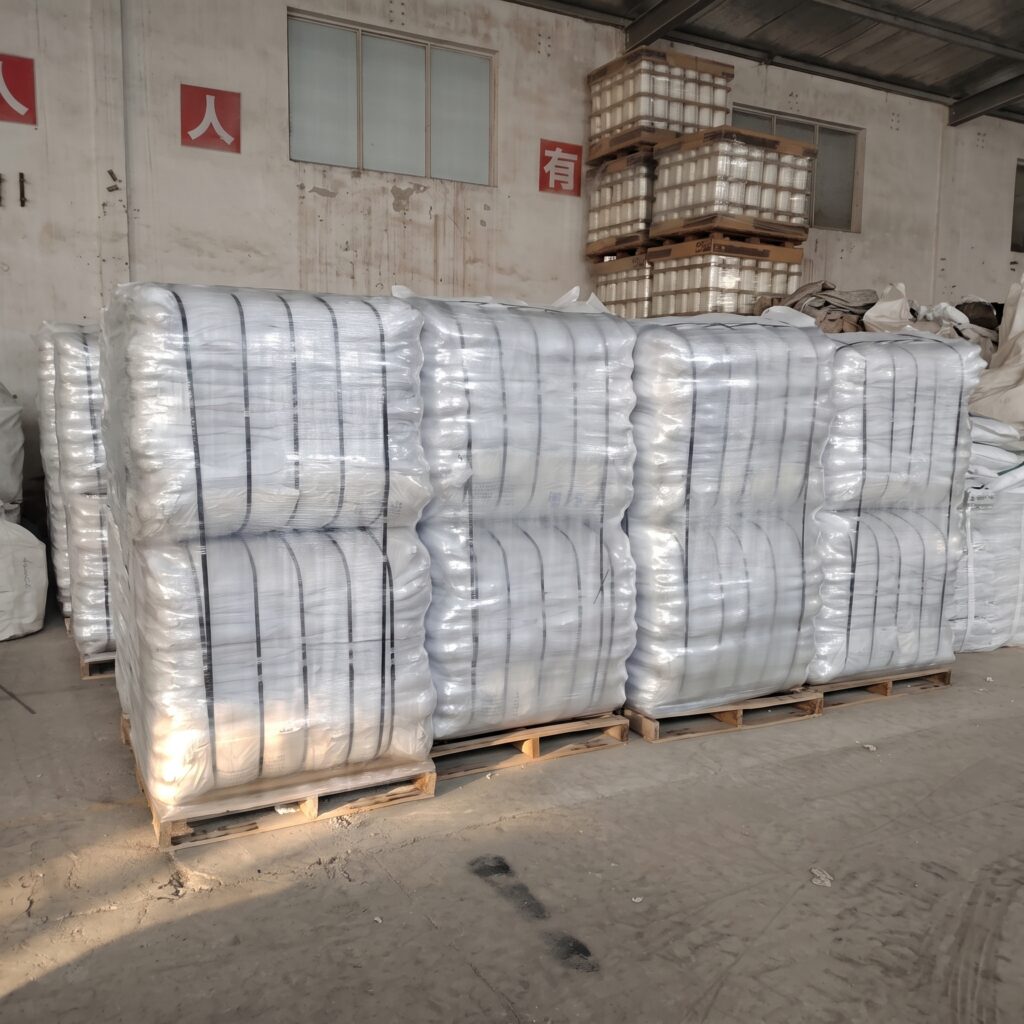
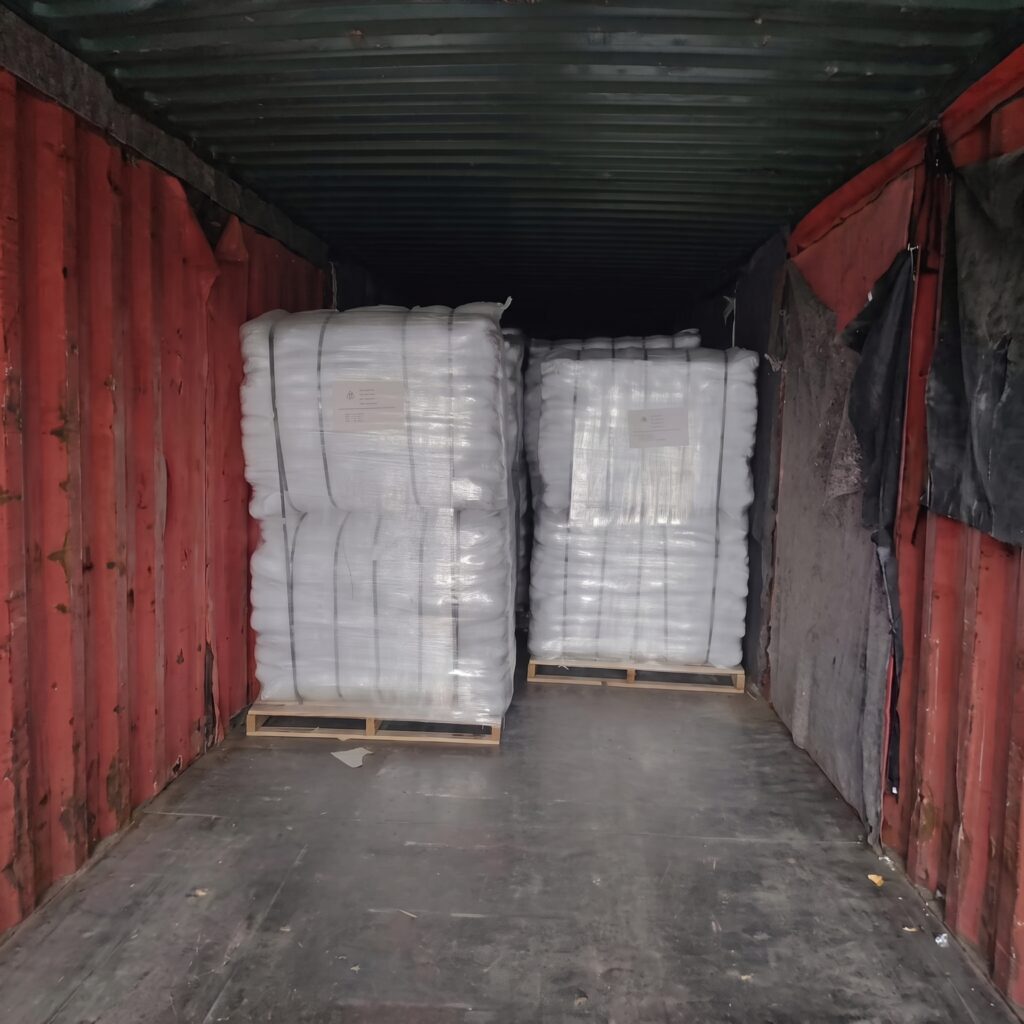
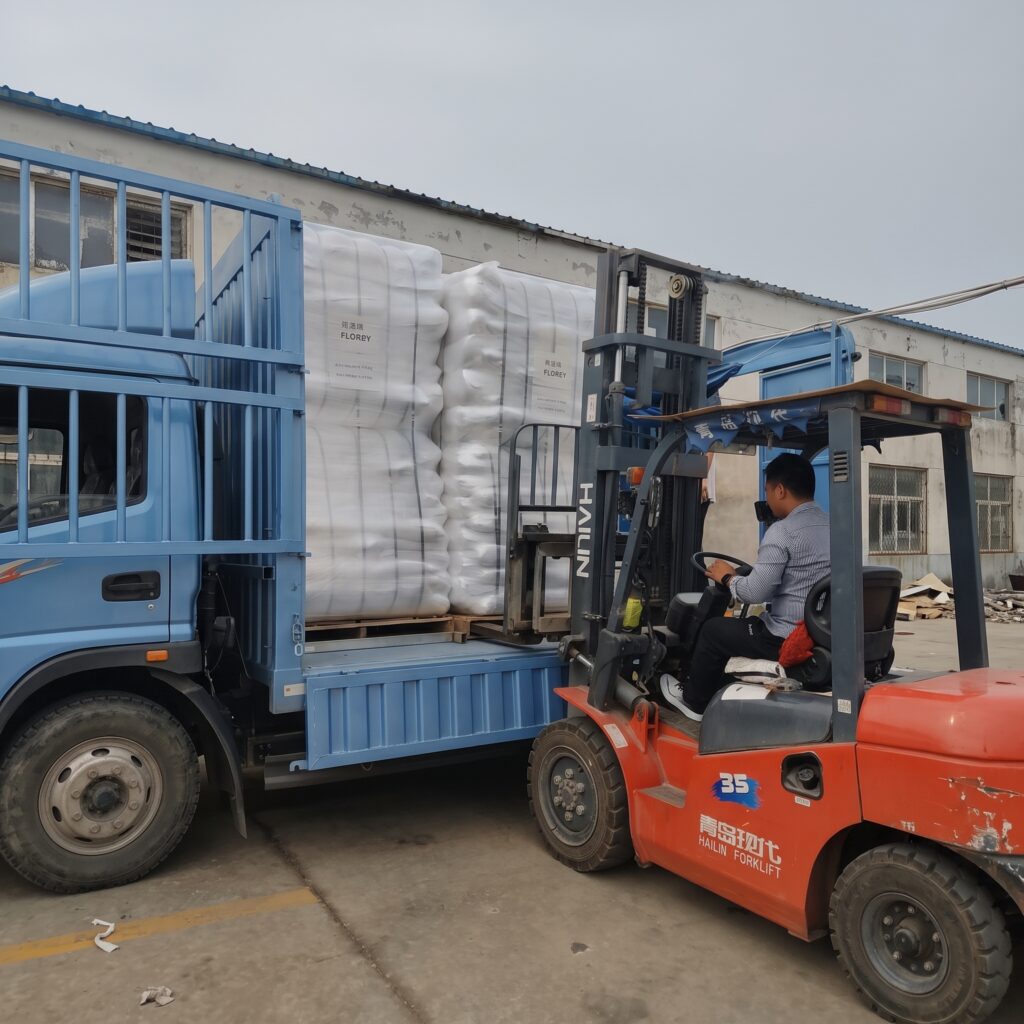
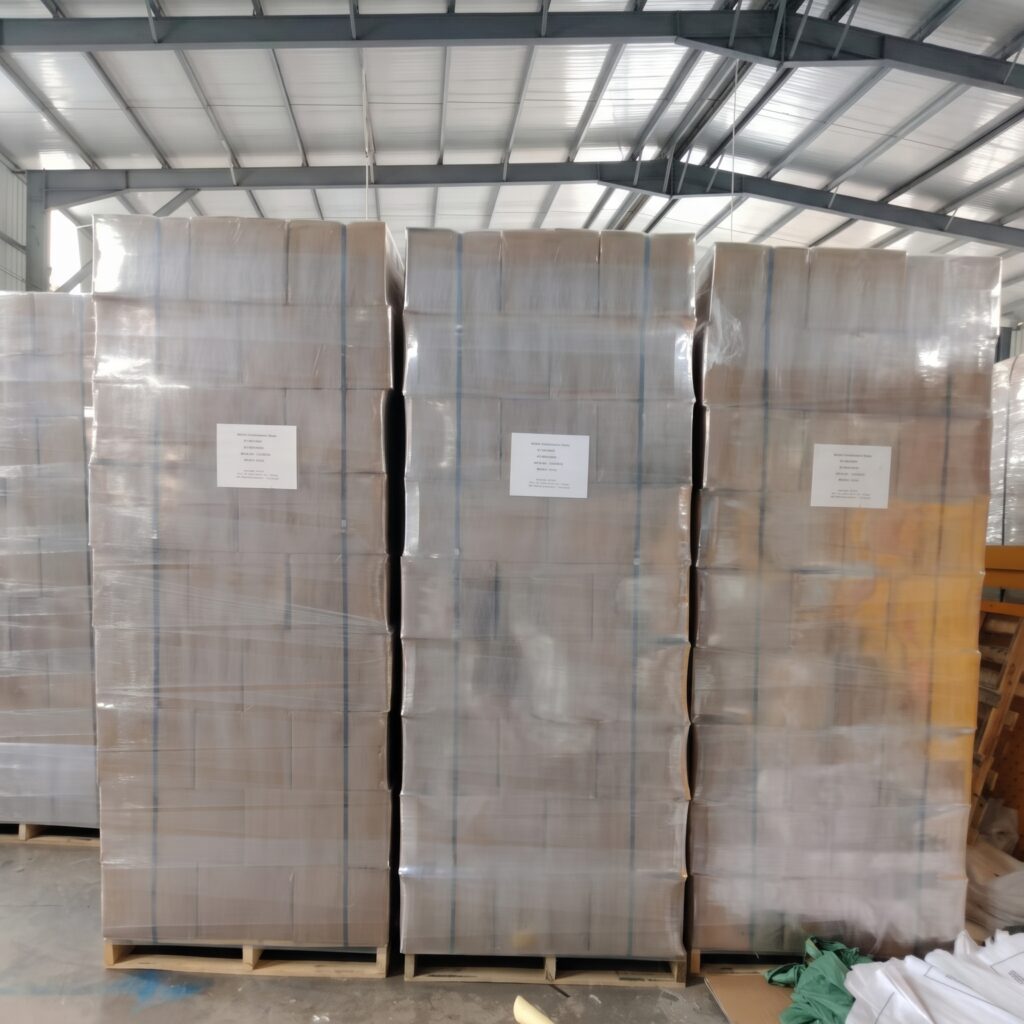
Packaging specifications
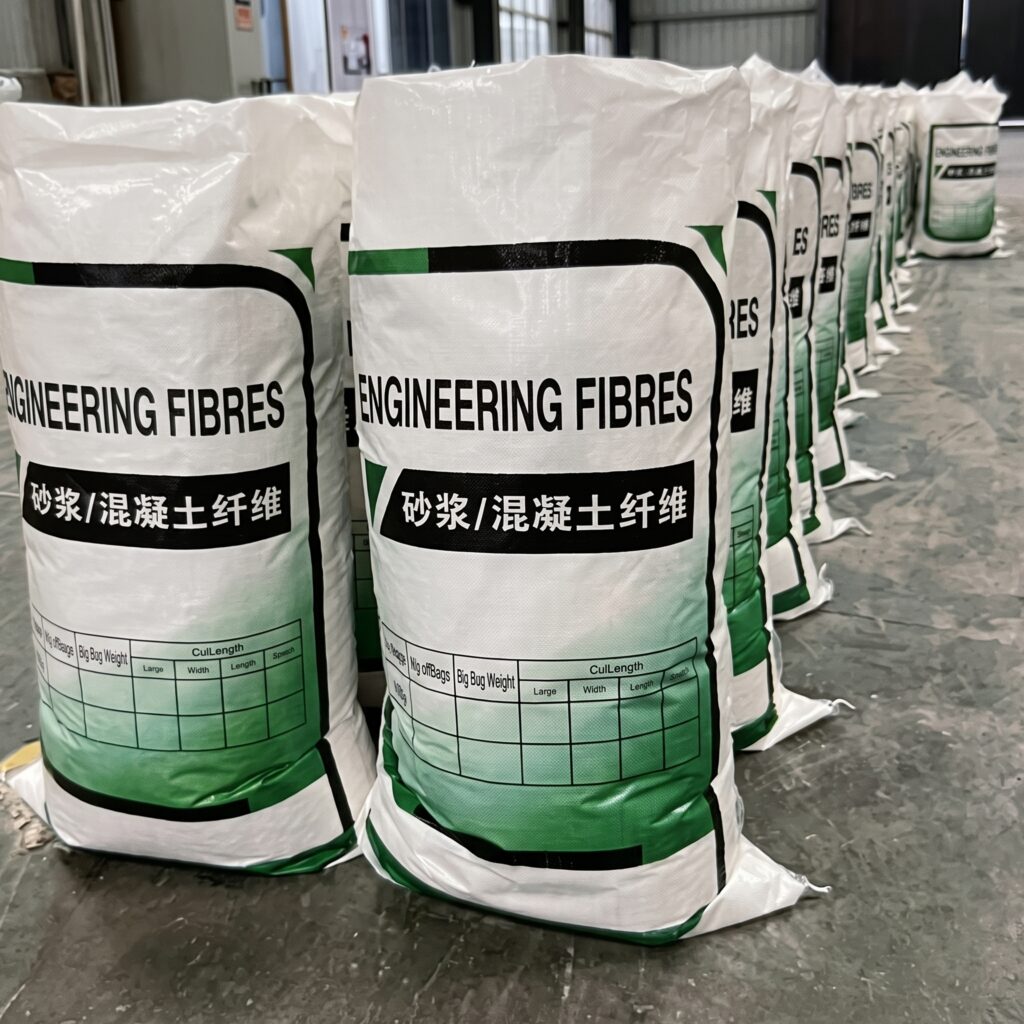
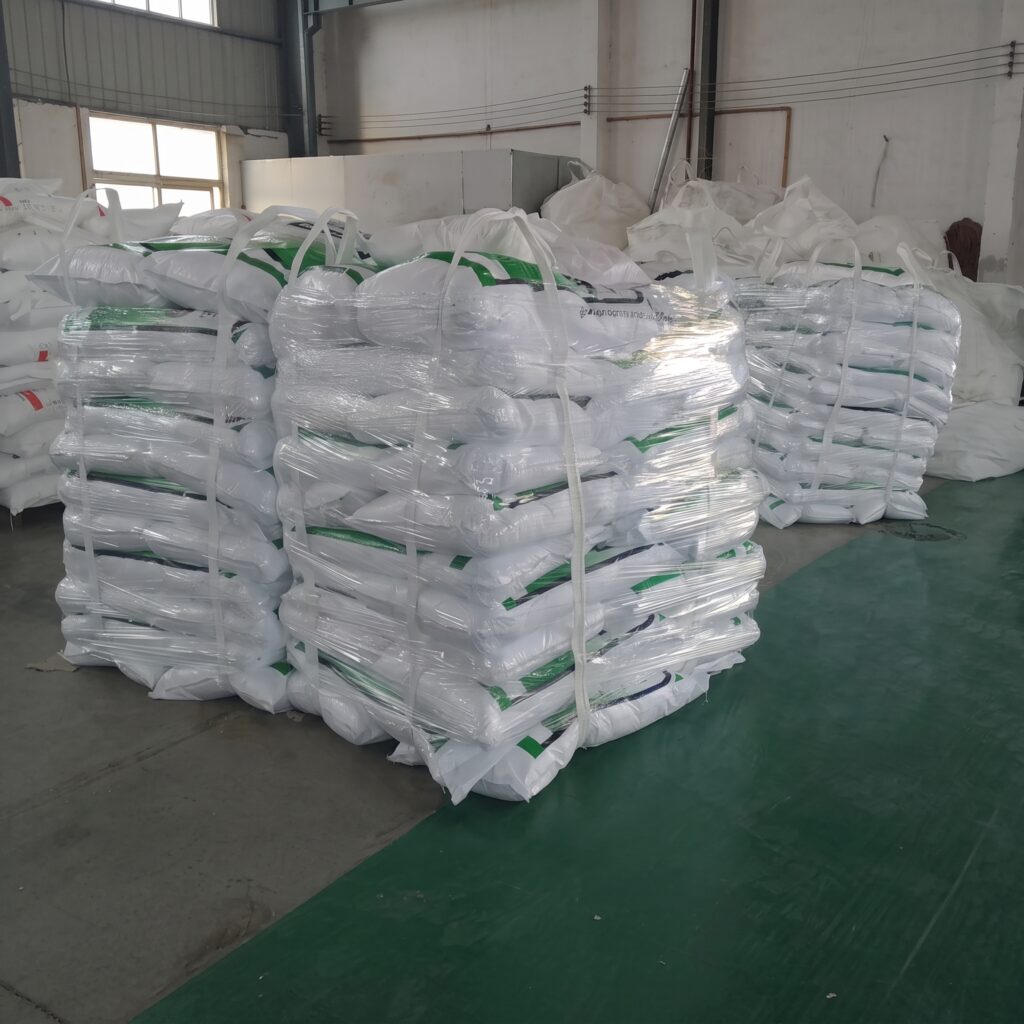
Technical guidance