Basalt Fiber
Product introduction
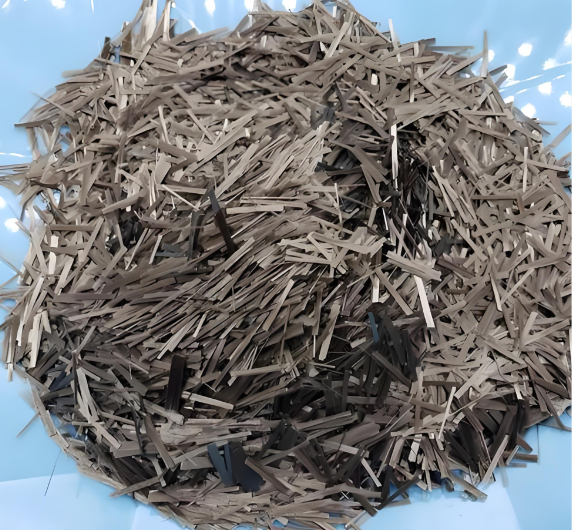
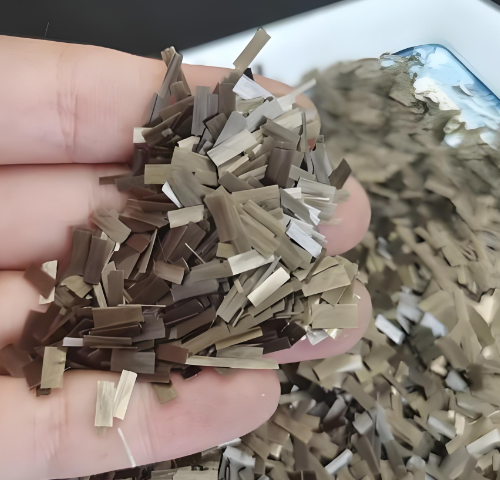
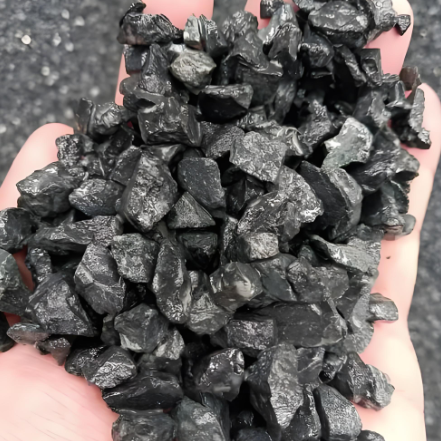
Basalt fiber is an inorganic fiber material made from pure natural volcanic eruption rock as raw material, which is rapidly drawn and melted at a high temperature of 1450-1500℃. Adding short cut basalt fibers to cement concrete or mortar can reduce early cracks, improve the anti-seepage, crack resistance, impact resistance, corrosion resistance, durability, and reduce the brittleness coefficient of concrete. Moreover,the construction performance is good, and the fibers are easily dispersed when mixed with cement concrete or mortar, with stable volume and good workability. Therefore, short cut basalt fibers have good crackresistance, toughening, and strengthening effects on concrete and mortar.
Technical specifications
Executive standard GB/T 42280-2022 Short cut basalt fibers for road asphalt mixtures
| Texture of material | Basalt fiber | Length | 6-12mm |
| Fiber diameter | 10-20μm | Oil absorption rate | ≥0.5 times |
| Fracture elongation | 2.0-3.0% | Density | ≥2.6g/cm³ |
| Fracture strength retention rate | ≥85% | Moisture content | ≤0.2% |
| Tensile strength | ≥1000Mpa | / | / |
Application area
1. Concrete / mortar modification: Enhances crack resistance, impact resistance, and high-temperature durability.
2. Asphalt pavement reinforcement: Improves rutting resistance, aging resistance, and low-temperature crack performance.
3. Fireproof and insulation panels: Increases strength while enhancing flame retardancy and thermal insulation.
4. Geogrids / geotextiles production: Used for roadbed reinforcement, offering strong corrosion resistance, aging durability, and structural stability.
Construction suggestions
• Ordinary cement mortar: 2.0–3.0 kg/m³, focused on crack control and impermeability.
• Ordinary concrete: 2.5–4.0 kg/m³, enhancing crack resistance and durability.
• Standard asphalt mixture: 3.0–5.0 kg/ton (approximately 0.3%–0.5% by mass), improving rutting resistance.
• Highway heavy-duty asphalt: 4.0–6.0 kg/ton, suitable for rutting and fatigue resistance requirements.
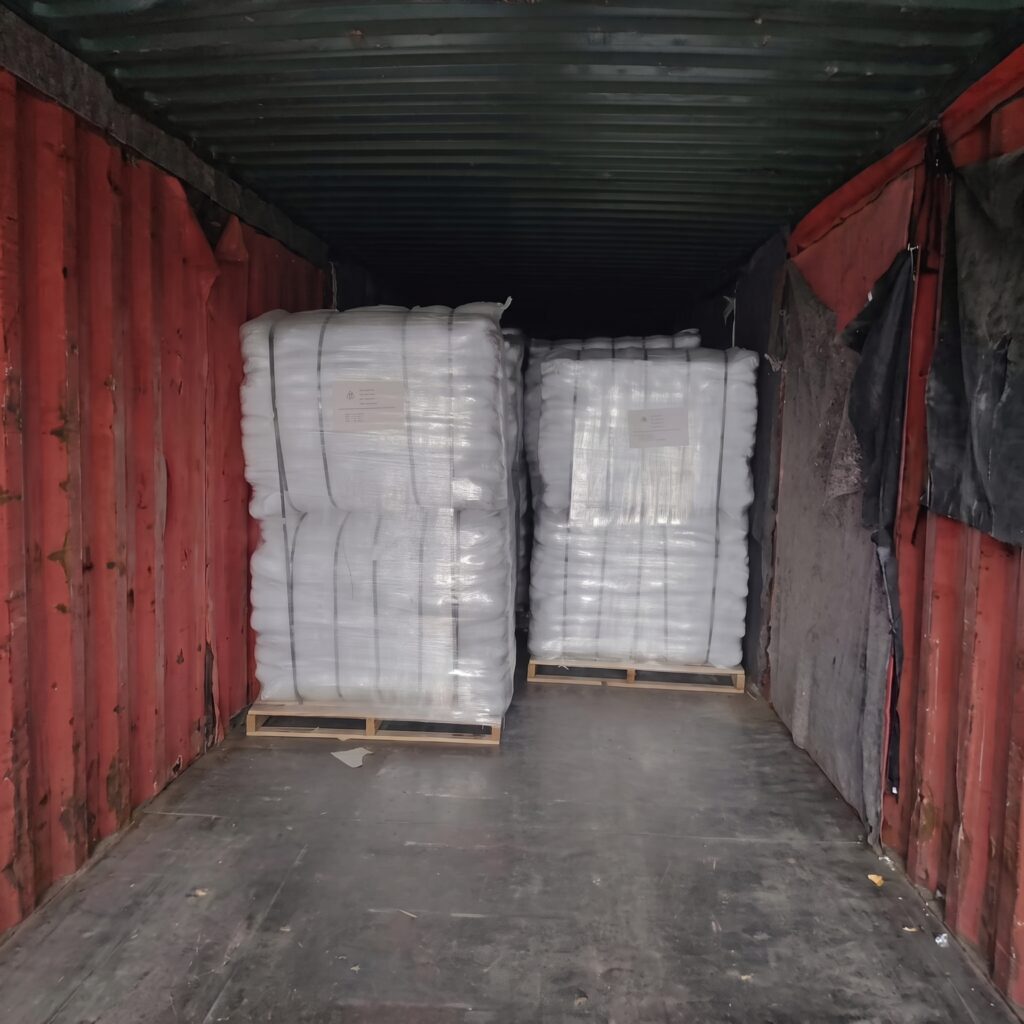
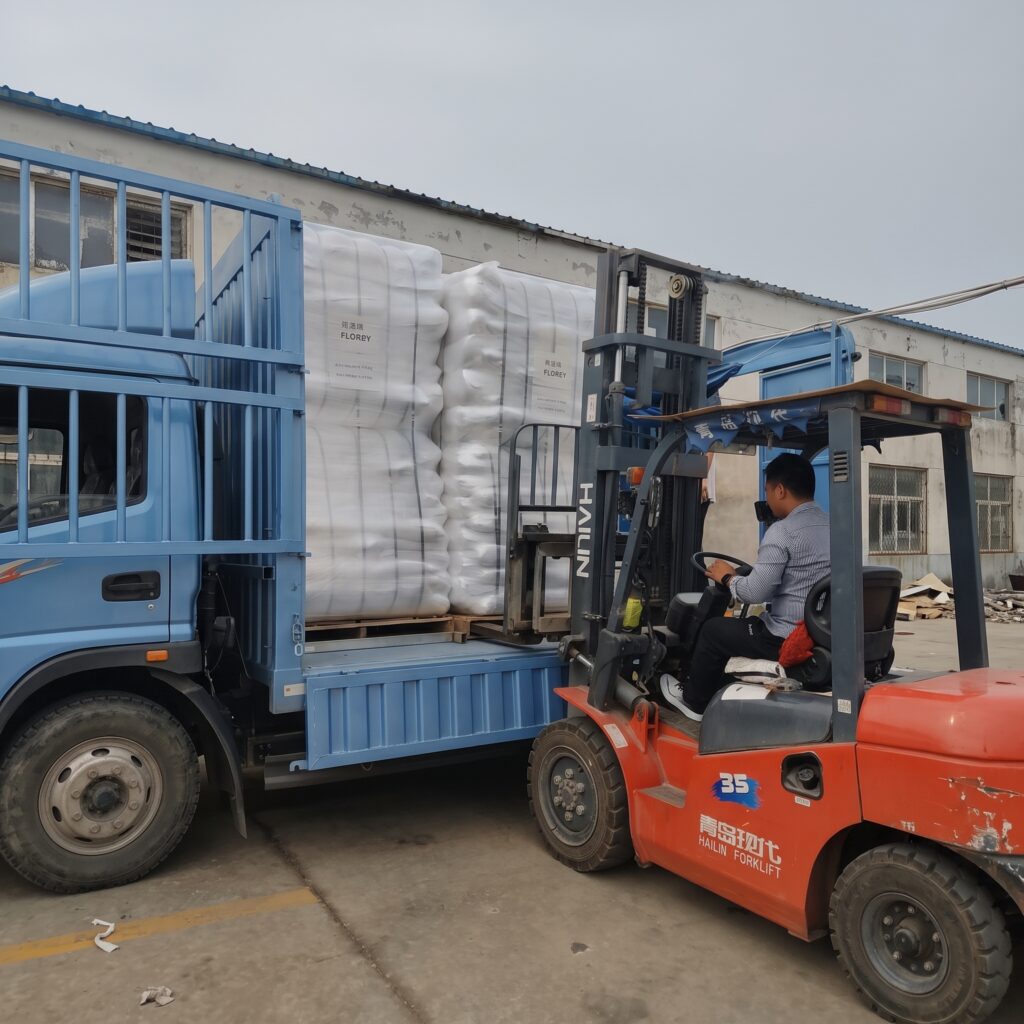
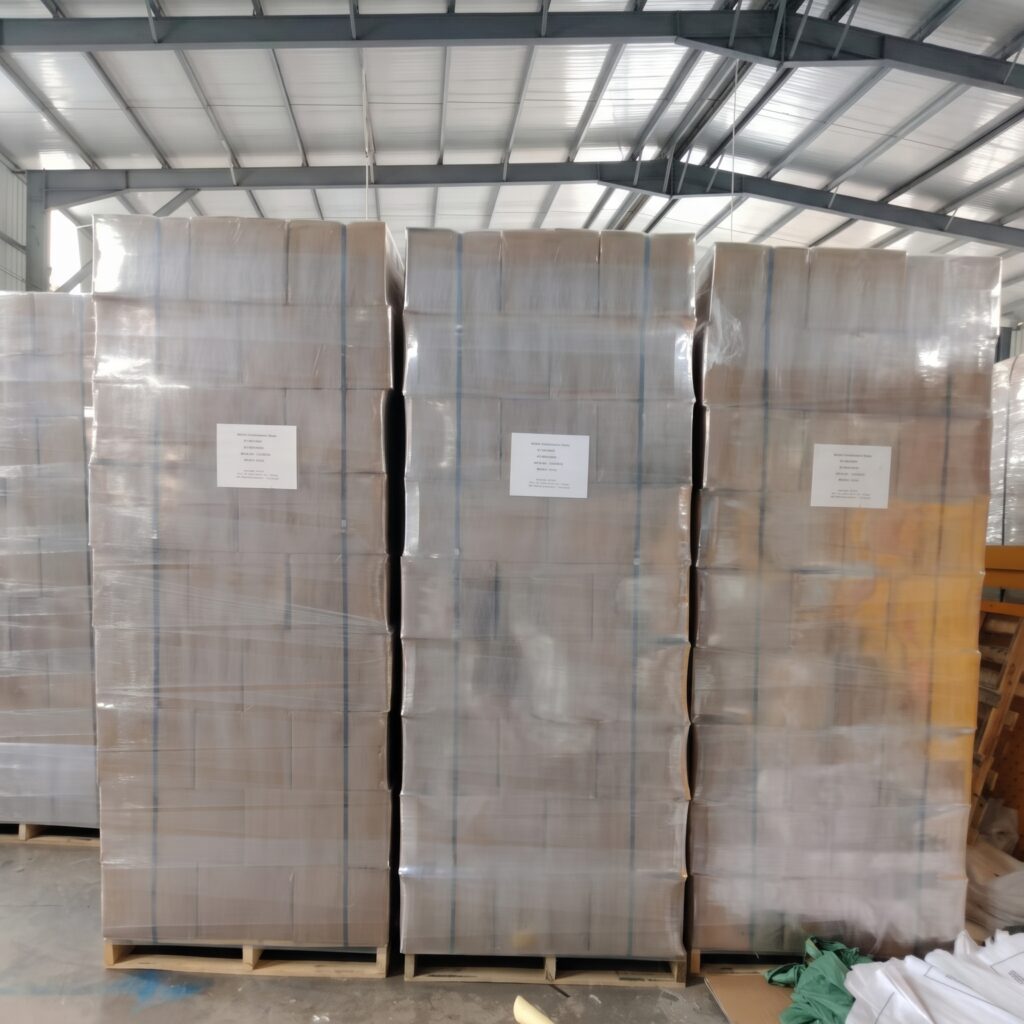
Packaging specifications
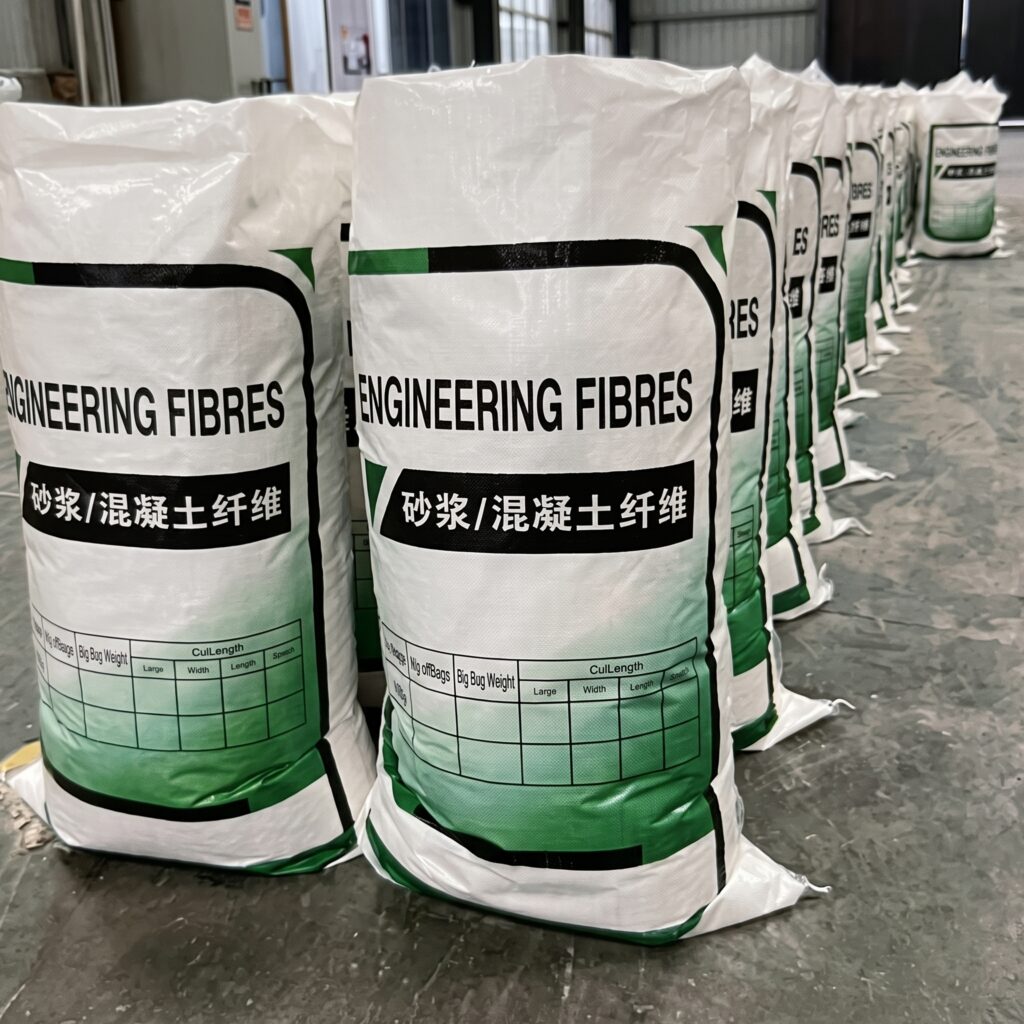
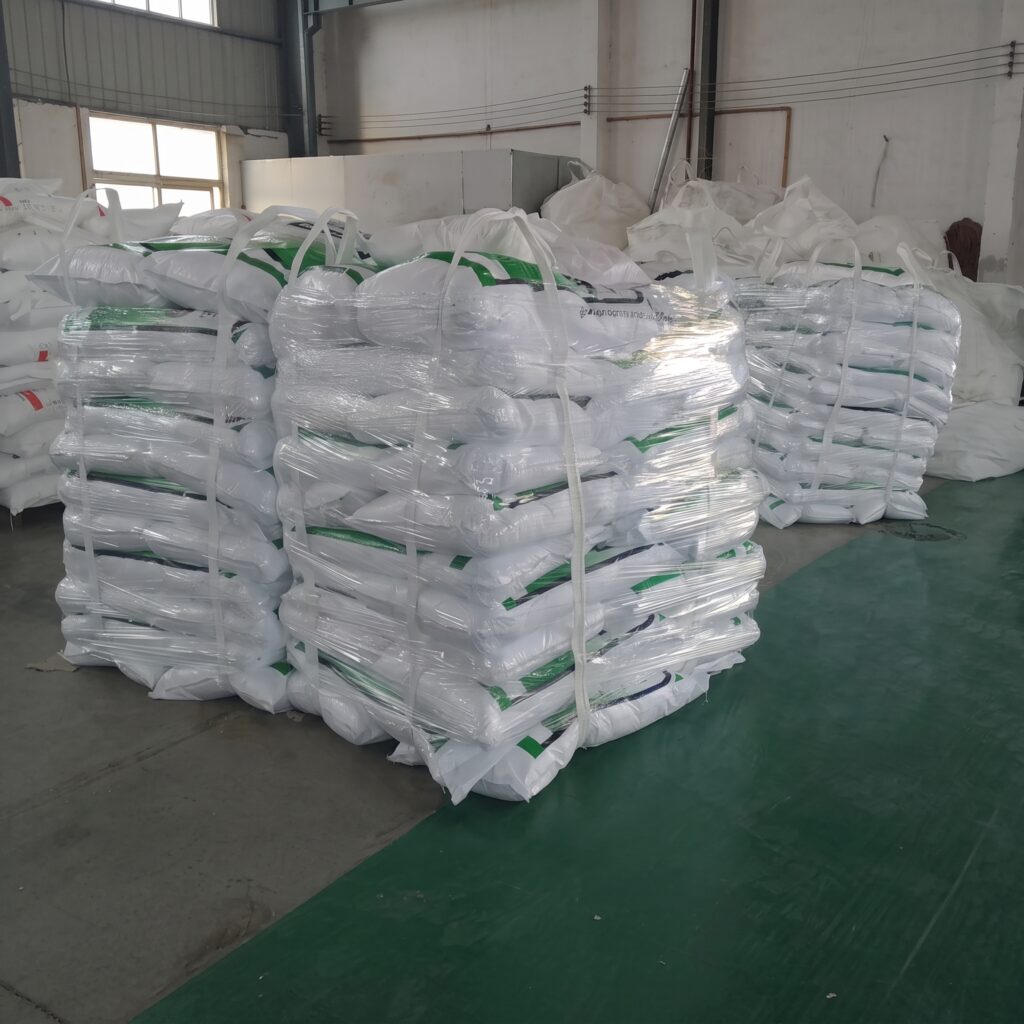
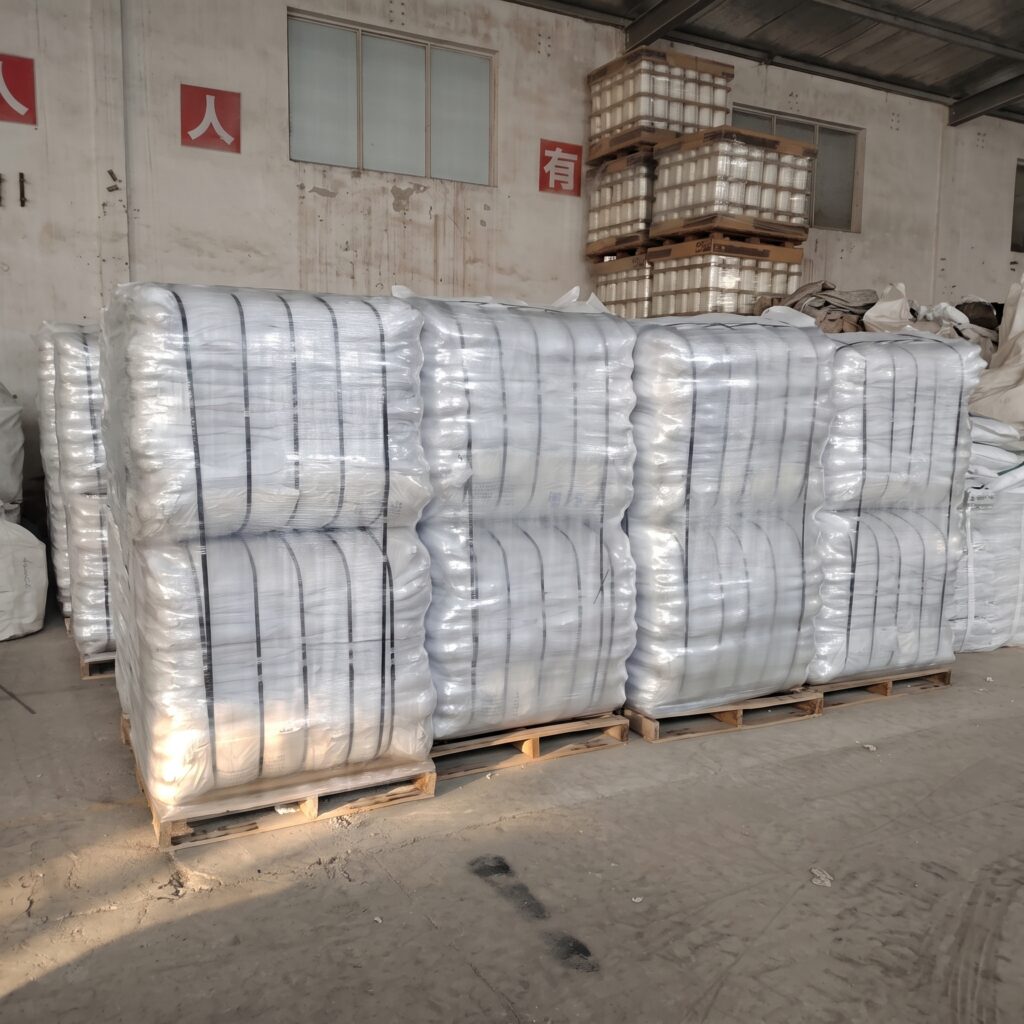
Technical guidance