Polyvinyl Alcohol Fiber
Product introduction
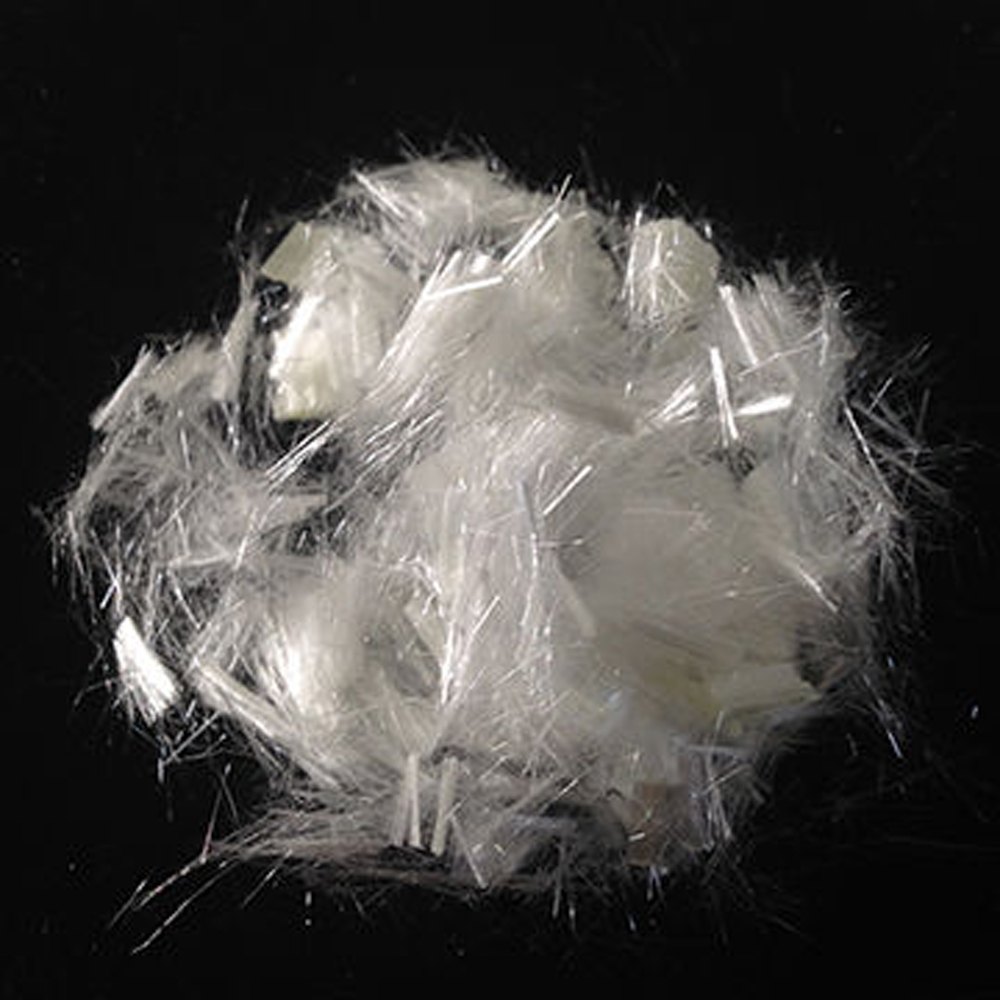
Polyvinyl alcohol fiber is mainly used in ultra-high performance concrete and high ductility concrete. Its main characteristics are high strength, high modulus, low elongation, wear resistance, acid and alkali resistance, good weather resistance, good affinity and bonding with substrates such as cement and gypsum. It is non-toxic, pollution-free, non damaging to human skin, and harmless to the human body.It is one of the new generation of high-tech green building materials.
Technical specifications
Executive standard GB/T21120-2018 Synthetic fibers for cement concrete and mortar
| Texture of material | Polyvinyl alcohol(PVA) | Security | Non-toxic |
| Fiber diameter | 10-15µm | Elastic modulus | ≥35Gpa |
| Elongation at break | 2.0-8.0% | Water absorption | Not absorbing water |
| Length | 6-12mm | Acid and lkaline resistance | Retention rate≥95% |
| Tensile strength | ≥1450Mpa | Dispersibility | Uniformly dispersed without merging or clumping |
Application area
1. General concrete structures: Added to ready-mixed and pumped concrete for building slabs, beams, columns, and walls to improve crack resistance and durability.
2. Cement mortar plastering: Incorporated into interior/exterior wall plaster and thermal insulation mortars to reduce hollowing, cracking, and debonding of plaster layers.
3. Tunnel shotcrete: Used in initial support for highway, railway, and metro tunnels to enhance bonding strength and reduce rebound loss.
4. Bridge engineering: Added to bridge deck pavements and crash barrier concrete to improve fatigue resistance and freeze–thaw durability.
5.Metro structures: Applied in station base slabs, side walls, and segmental linings to enhance impermeability and crack resistance of underground structures.
6. Water conservancy & municipal works: Incorporated into dam seepage control and municipal pervious concrete to improve erosion resistance and crack control.
Construction suggestions
• General crack resistance (floors, walls, ordinary structural elements): 0.6–0.8 kg/m³
• High-strength crack resistance / impact resistance (bridges, tunnels, high-rise buildings): 0.9–1.2 kg/m³
• Mass concrete / high-stress structures (C35–C45):
– Single PVA fiber addition: 1.0–1.5 kg/m³;
– When combined with PP fiber or others: PVA fiber is typically 0.6–0.9 kg/m³ (total fiber content 1.2–1.5 kg/m³).
• Ultra-high toughness / special applications (e.g. ECC): Up to 2.0–10.0 kg/m³ (volume fraction 0.2%–0.8%), requiring matched mix design and construction procedures.
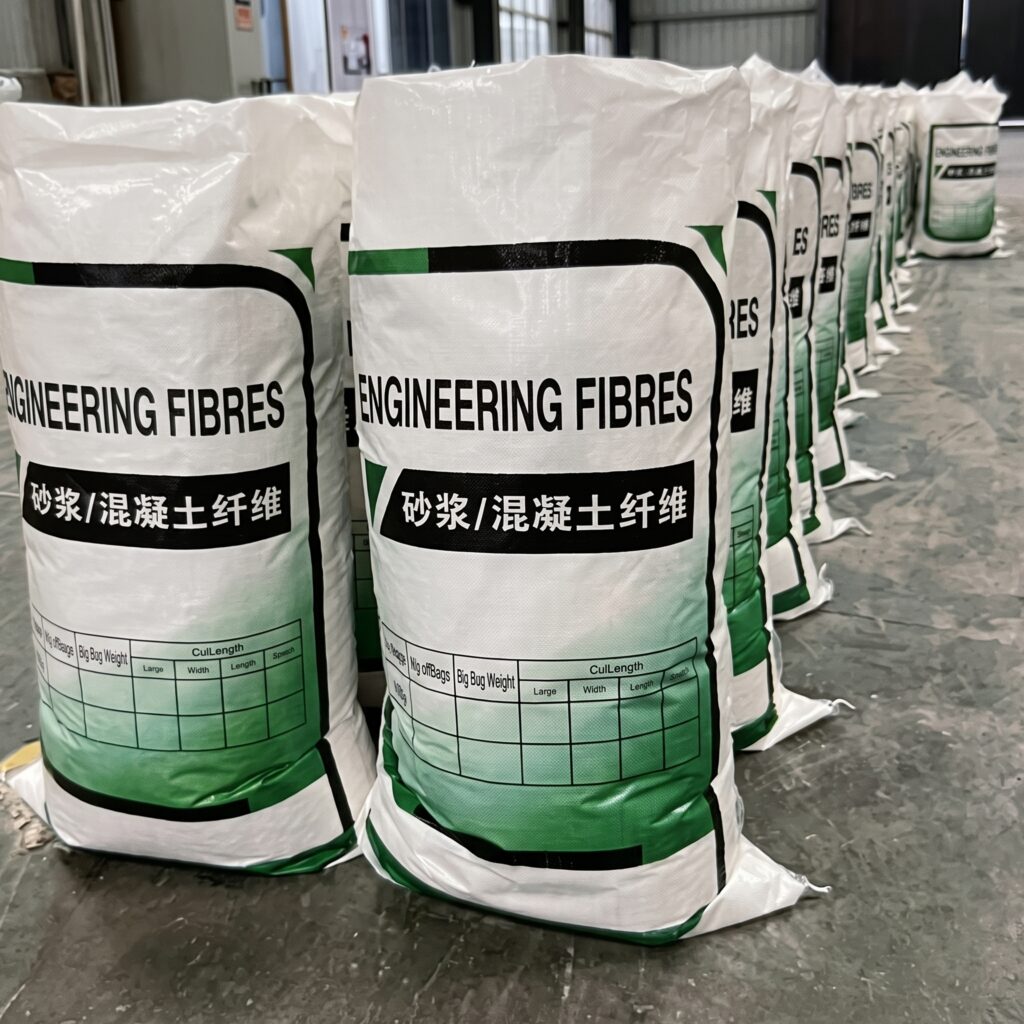
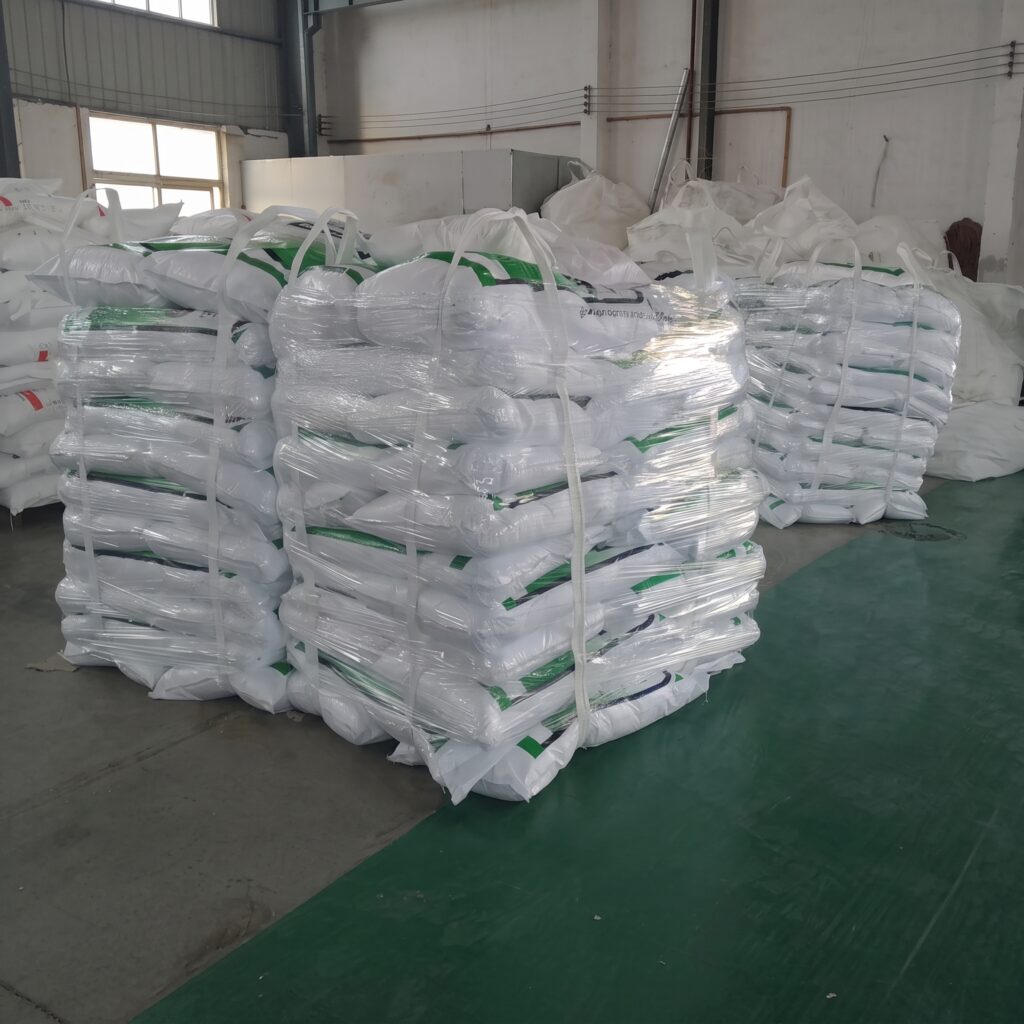
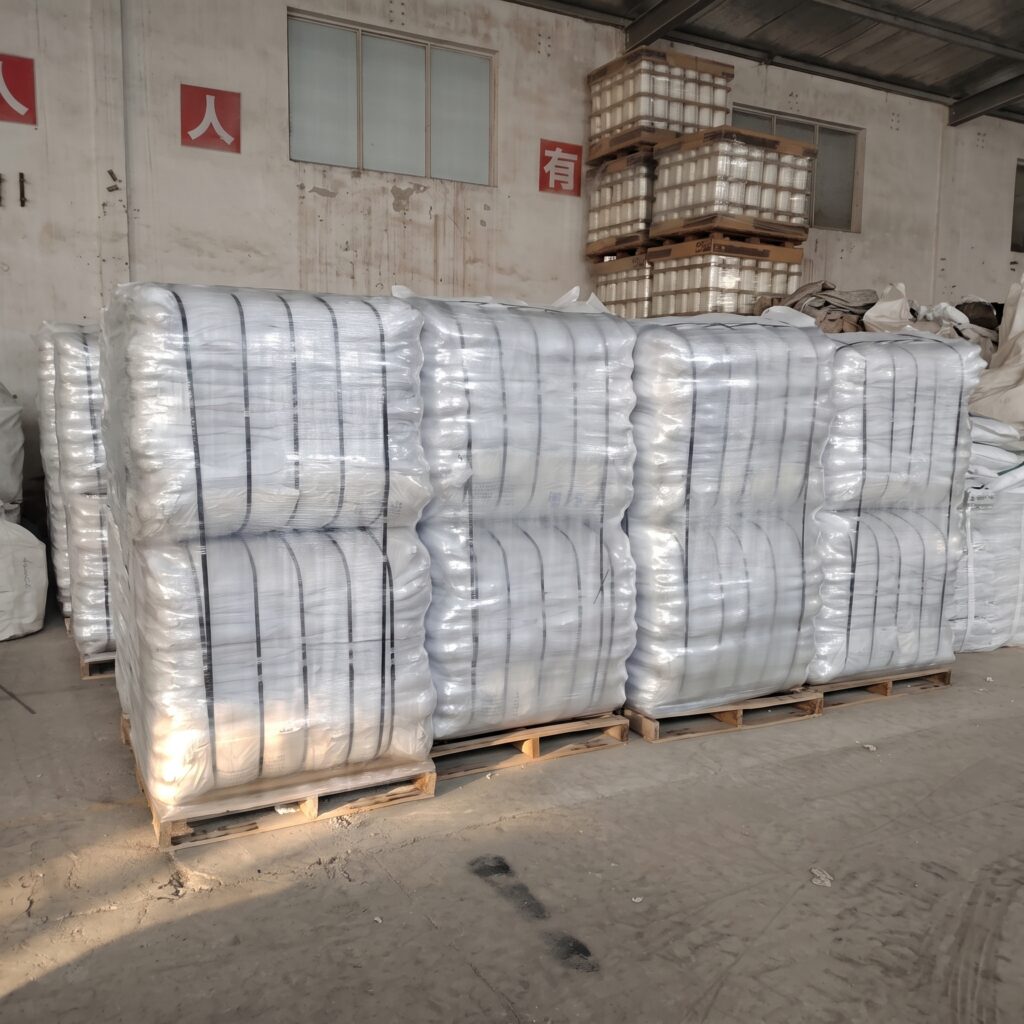
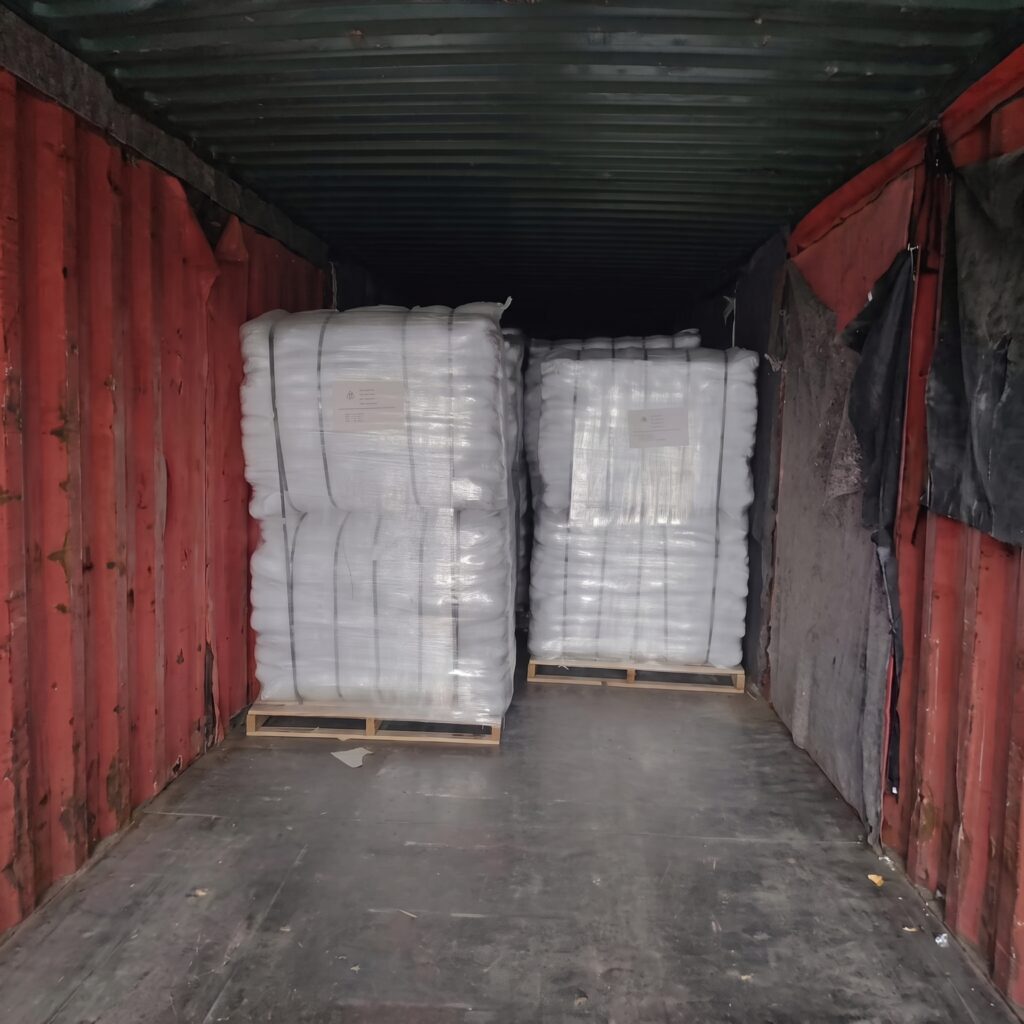
Packaging specifications
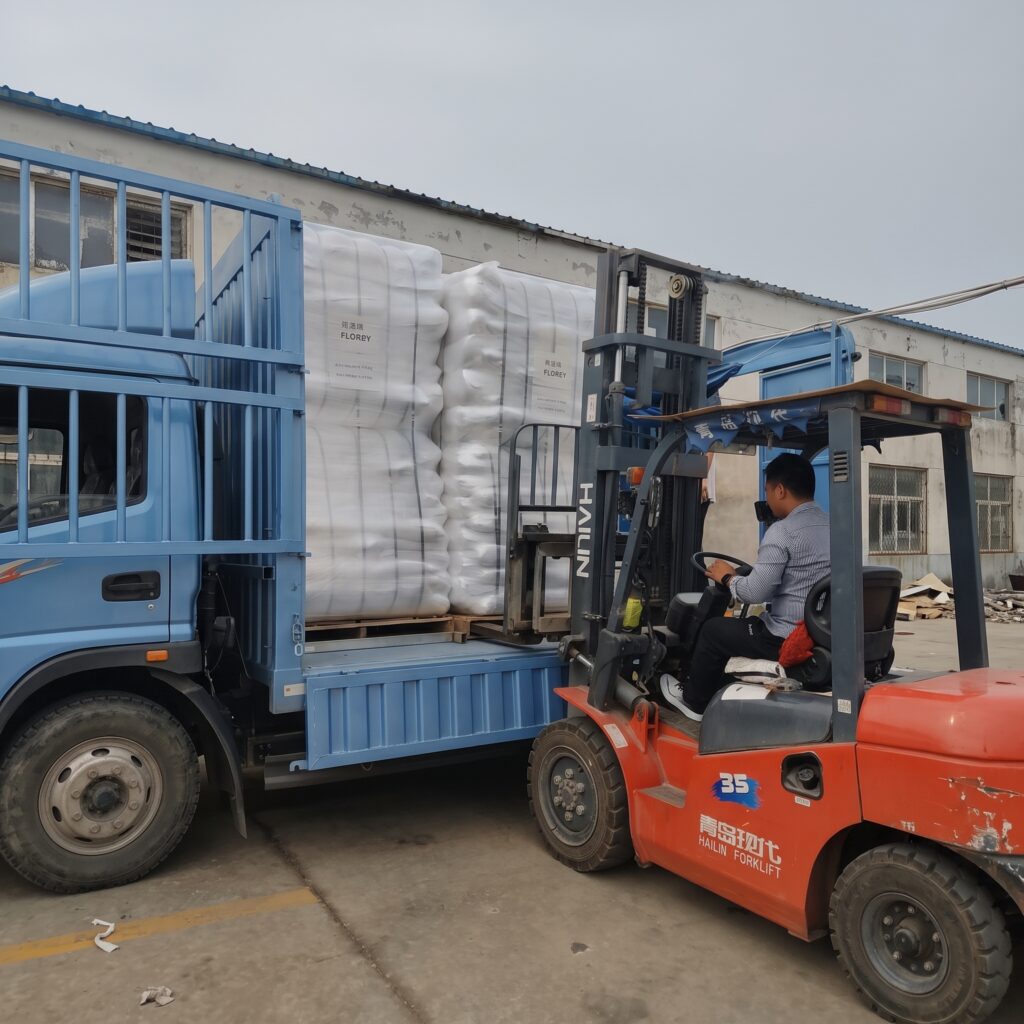
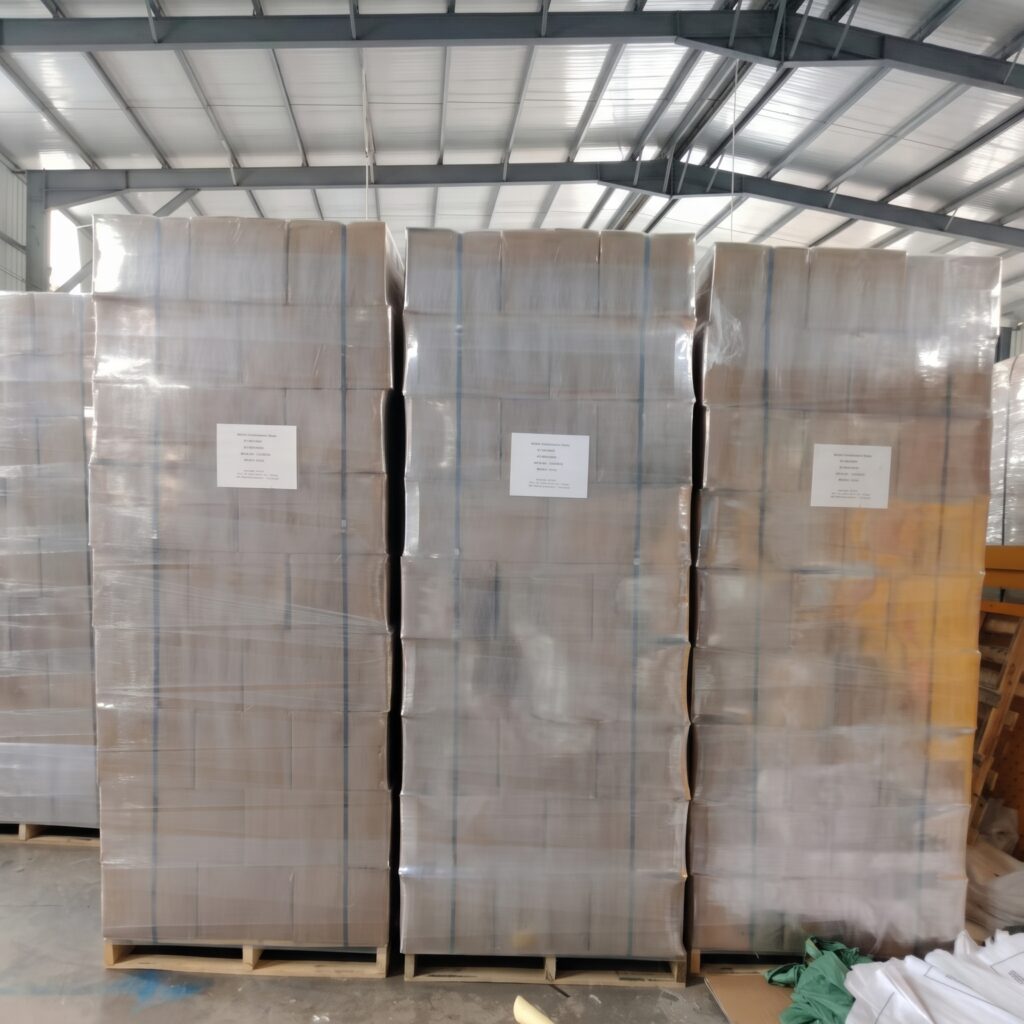
Technical guidance