Stainless Steel Fiber
Product introduction
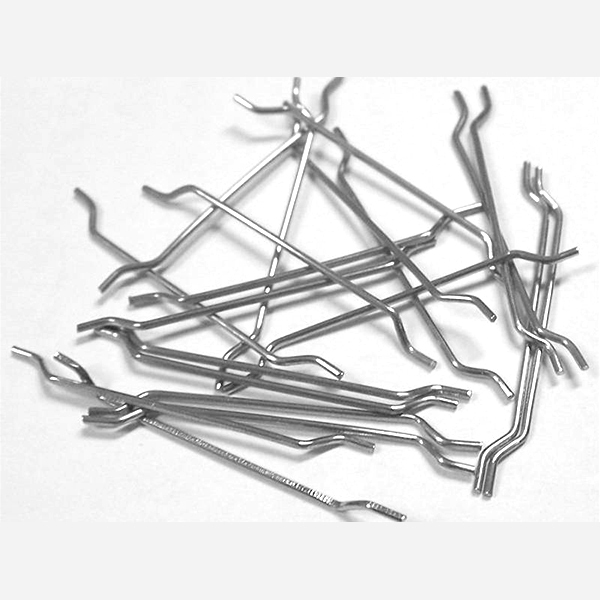
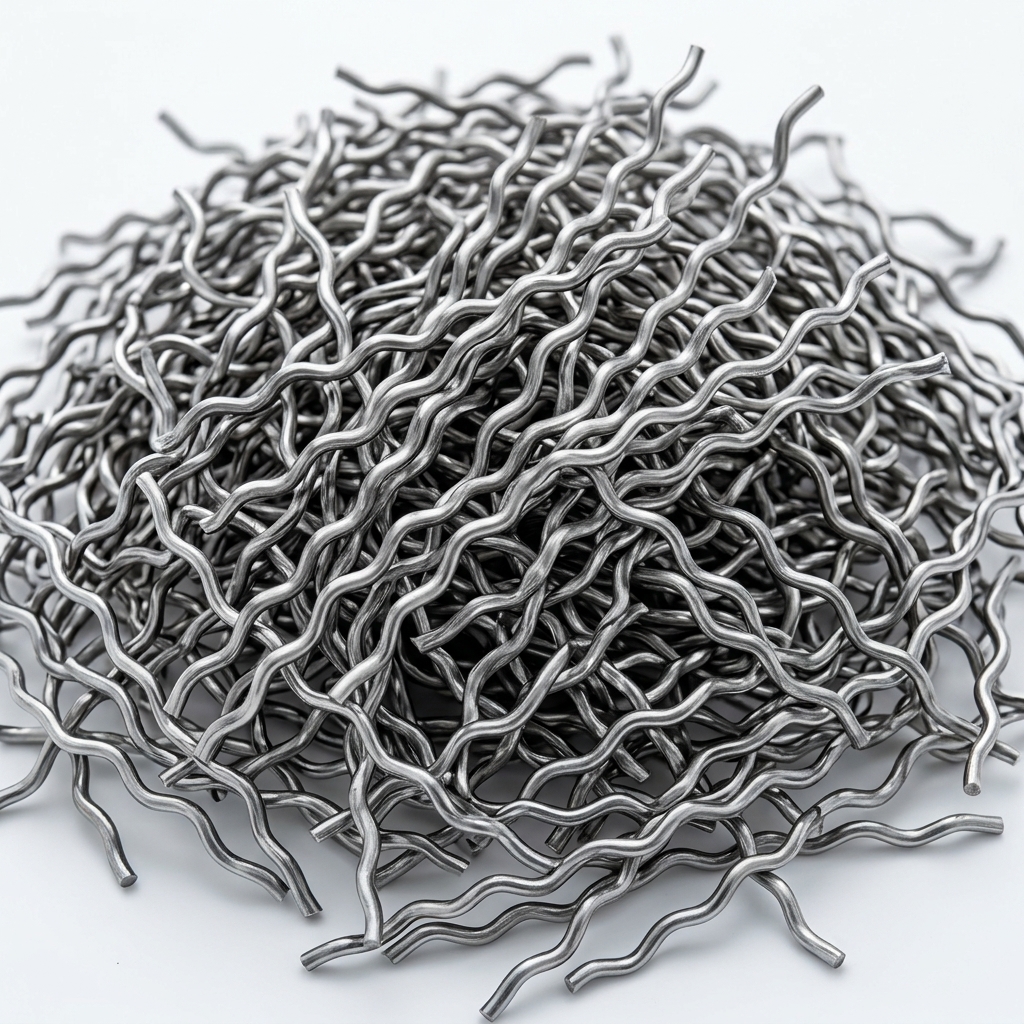
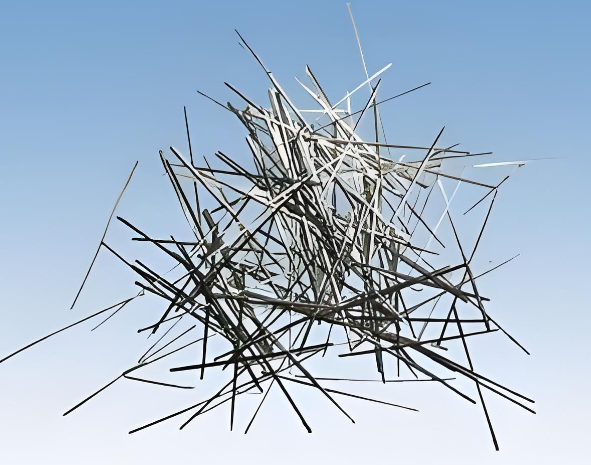
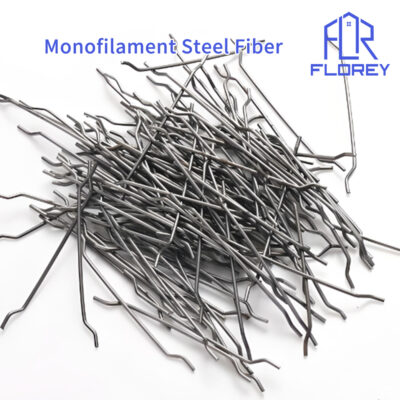
Stainless steel fiber is a new type of industrial material that not only has high electrical conductivity, high thermal conductivity, high strength, high temperature resistance, corrosion resistance and other properties, but also has the characteristics of synthetic fibers and synthetic fibers; Widely used in industrial fields such as petroleum, chemical, synthetic fiber, electronics, textiles, military, aviation, polymer materials, environmental protection, etc.Stainless steel fiber is a newly developed industrial material in recent years and an important field of modern science. Stainless steel fibers generally refer to stainless steel made of French silver foil 316L steel as the substrate, which is assembled through composite assembly, multiple bundle drawing, annealing, solution treatment and other special processes, with thousands or tens of thousands of fibers per strand. Stainless steel fibers have a very large surface area, which gives them extraordinary performance in terms of internal structure, magnetism, thermal resistance, and melting point. The diameter of stainless steel fiber can reach 1-2 microns, with an elongation rate greater than 1%. The fiber strength can reach 1600-2100Mpa, even exceeding the tensile strength of the material itself.
Technical specifications
Implement the standard YB/T 151-2017 for steel fibers used in concrete
| Specification and model | Length | Diameter | Aspect ratio | Tensile strength | Bending performance |
| Stainless Steel End-Hooked | 13-40mm | 0.2-0.7mm | 30-60 | ≥2100Mpa | Cold bending 90°, 9/10 continuously |
| Stainless Steel Corrugated | 13-40mm | 0.2-0.7mm | 30-60 | ≥2100Mpa | Cold bending 90°, 9/10 continuously |
| Stainless Steel Straight | 6-25mm | 0.2-0.7mm | 30-60 | ≥2100Mpa | Cold bending 90°, 9/10 continuously |
Application area
1. Marine / chemical concrete components: Corrosion- and crack-resistant, suitable for docks, wastewater tanks, and anti-corrosion floors.
2. Bridge pavements / tunnel linings: Improves shear and fatigue resistance, suitable for C40–C50 concrete.
3. Metallurgical / power plant high-temperature linings: Enhances refractory concrete performance, suitable for high-temperature conditions.
Construction suggestions
• General anti-corrosion floors (C30–C40): Waved fibers 25–35 kg/m³, hooked fibers 25–35 kg/m³, straight fibers 20–30 kg/m³; prioritize corrosion and crack resistance.
• Bridge pavements / marine components (C40–C50): Waved fibers 35–50 kg/m³, hooked fibers 35–50 kg/m³, straight fibers 30–40 kg/m³; enhance shear strength and durability.
• Heavy-duty floors / airport runways (C40–C50): Waved fibers 40–60 kg/m³, hooked fibers 40–60 kg/m³, straight fibers 35–50 kg/m³; strengthen impact and fatigue resistance.
• Metallurgical / refractory concrete (high-temperature linings): Waved fibers 50–80 kg/m³, hooked fibers 50–90 kg/m³, straight fibers 45–70 kg/m³; improve thermal shock and erosion resistance.
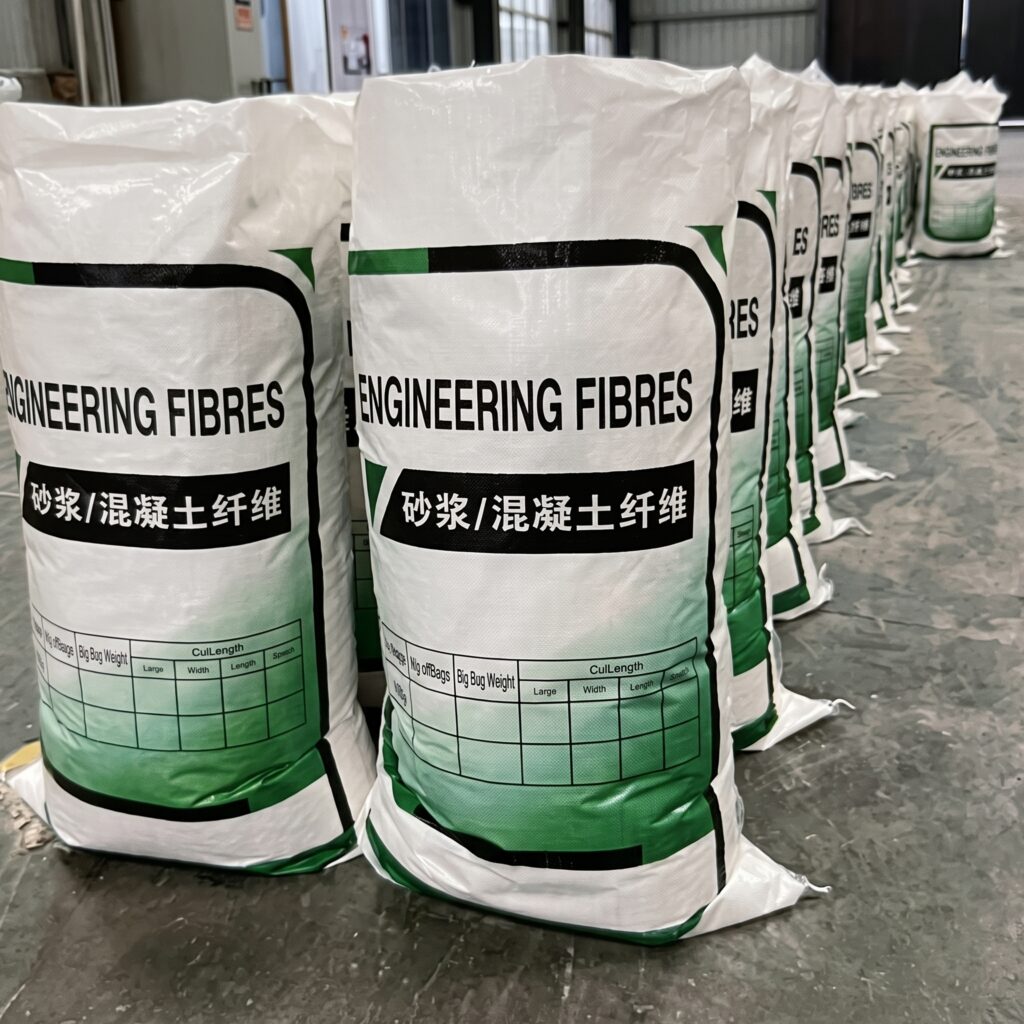
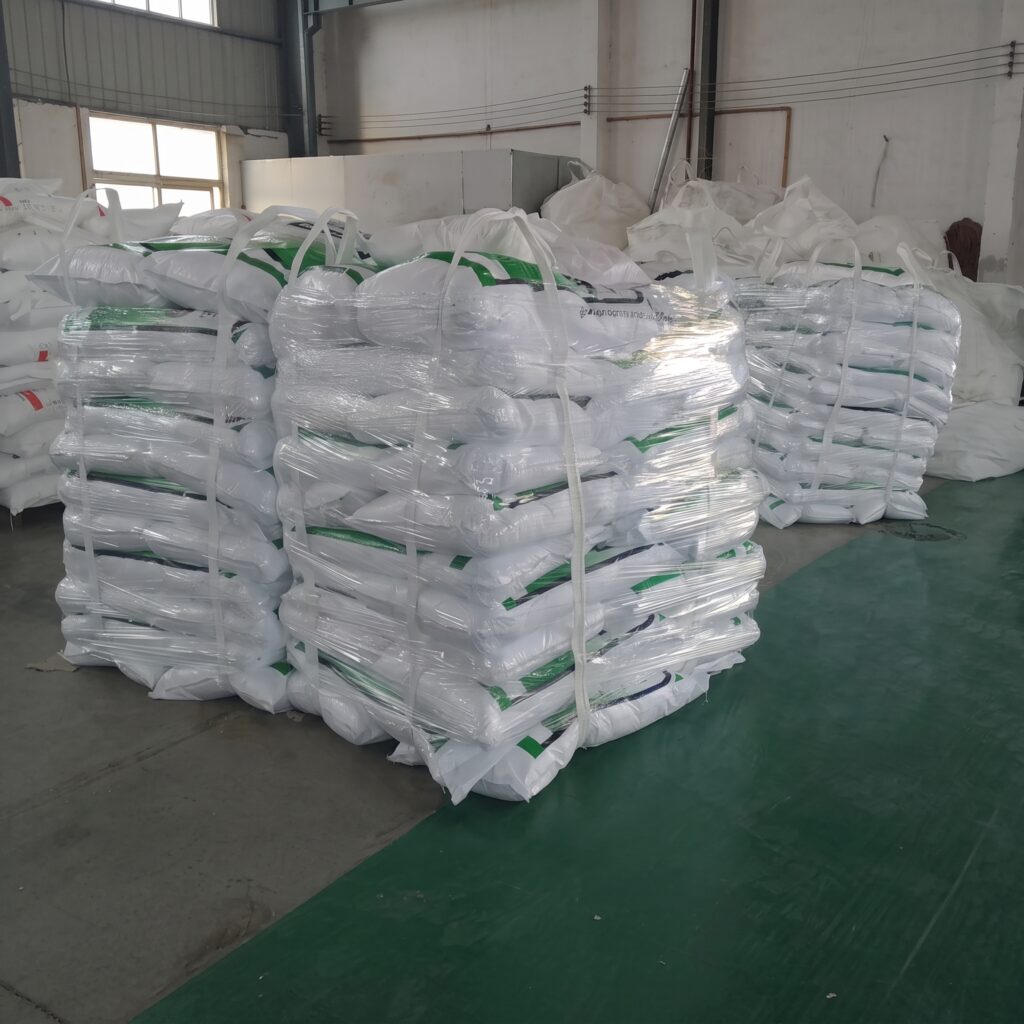
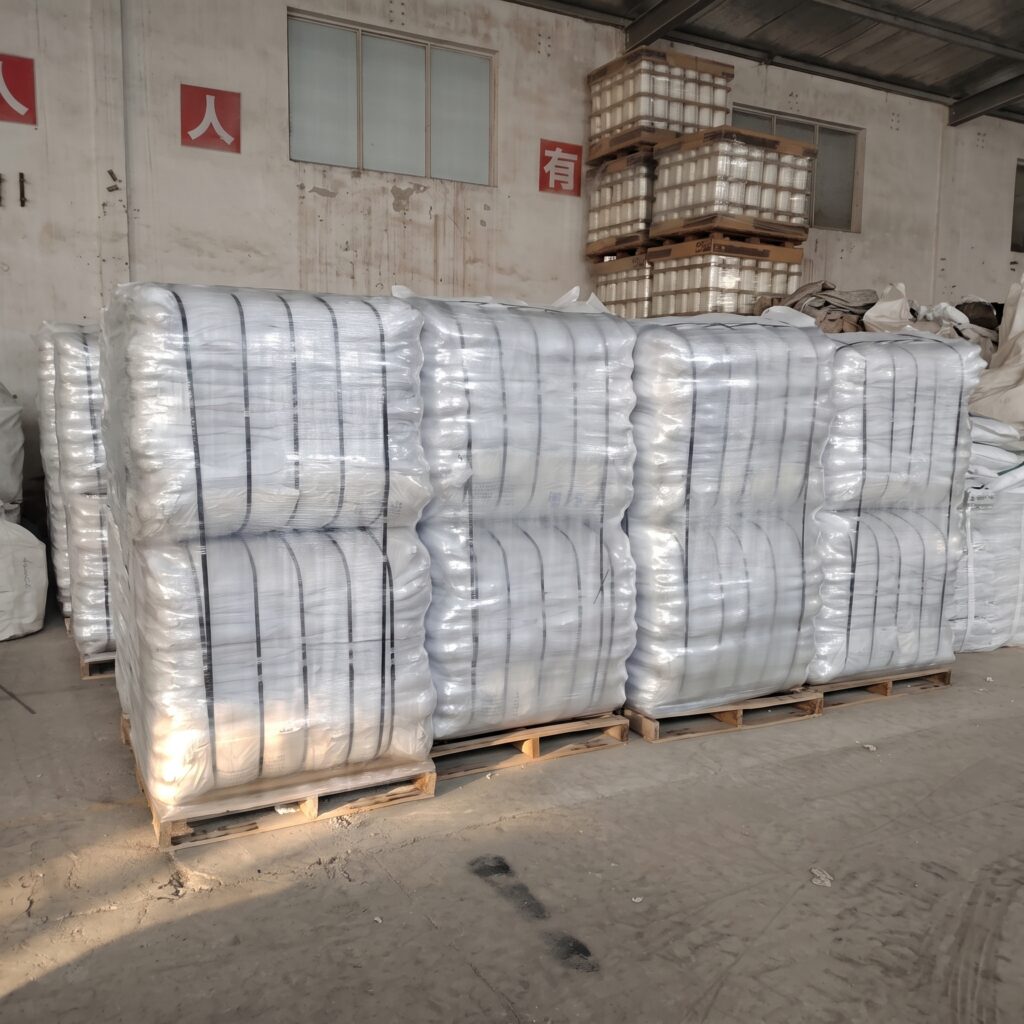
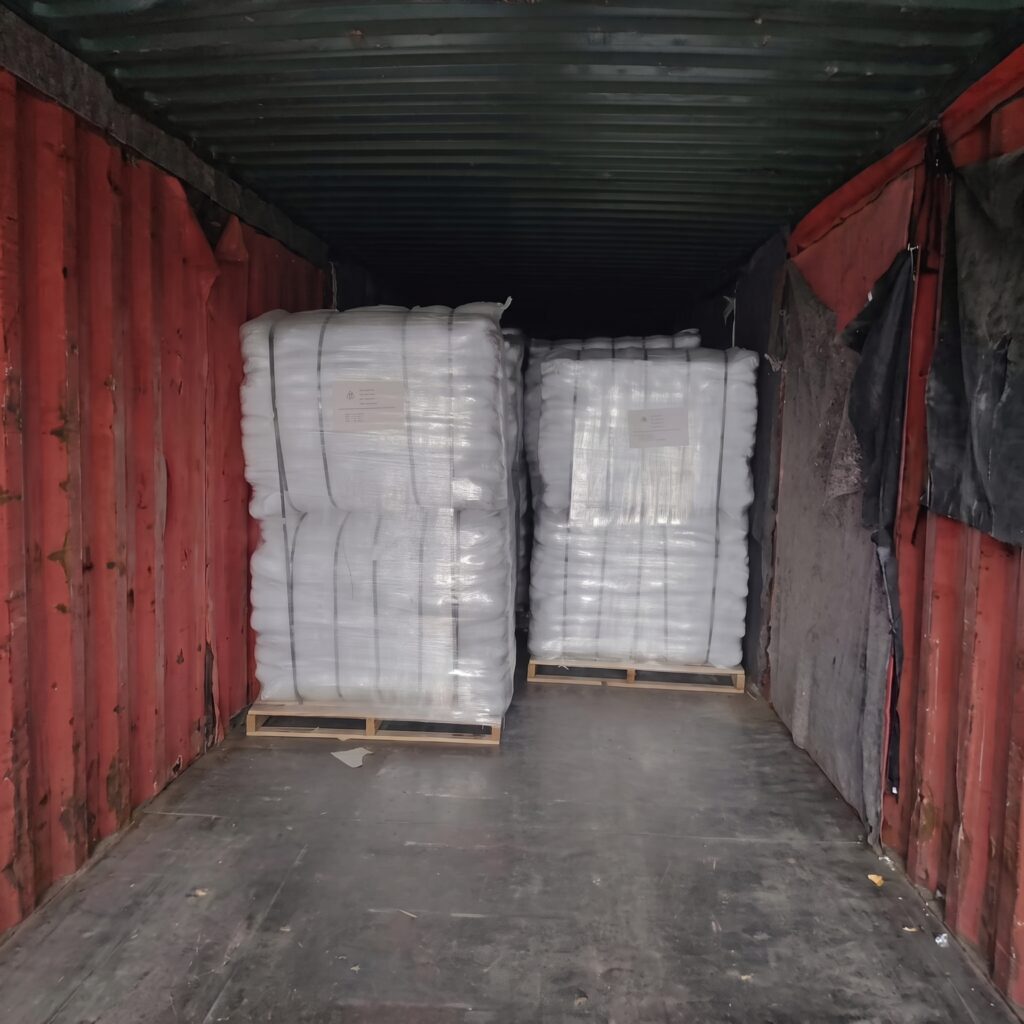
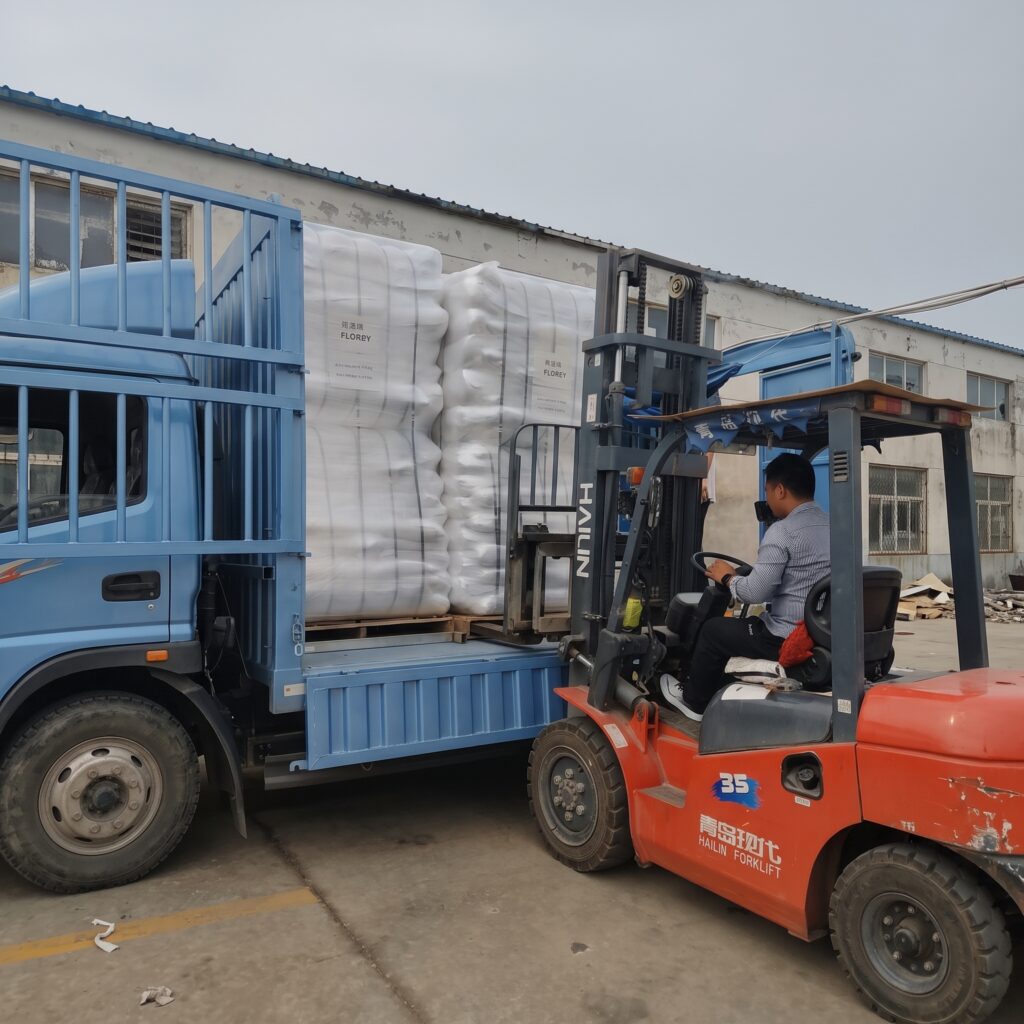
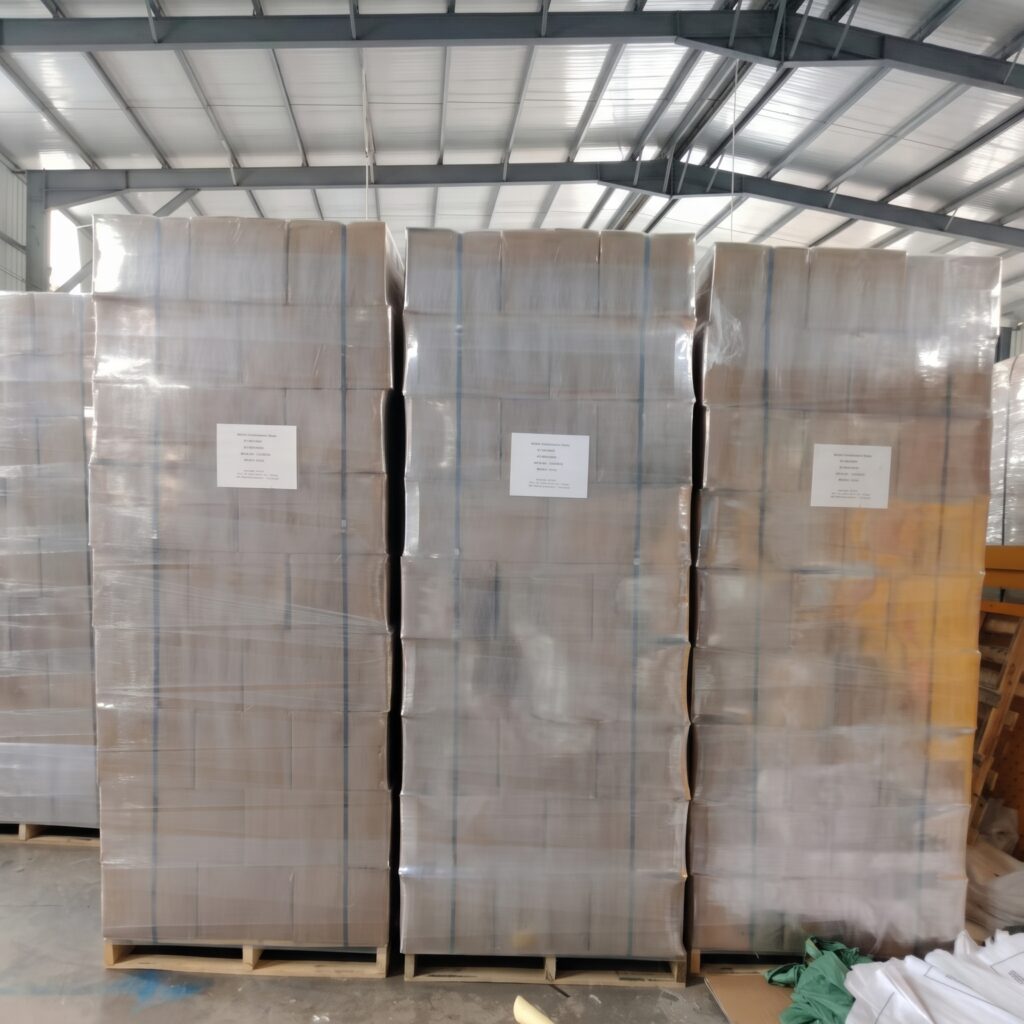
Packaging specifications
Technical guidance