
Monofilament Steel Fiber
Product introduction
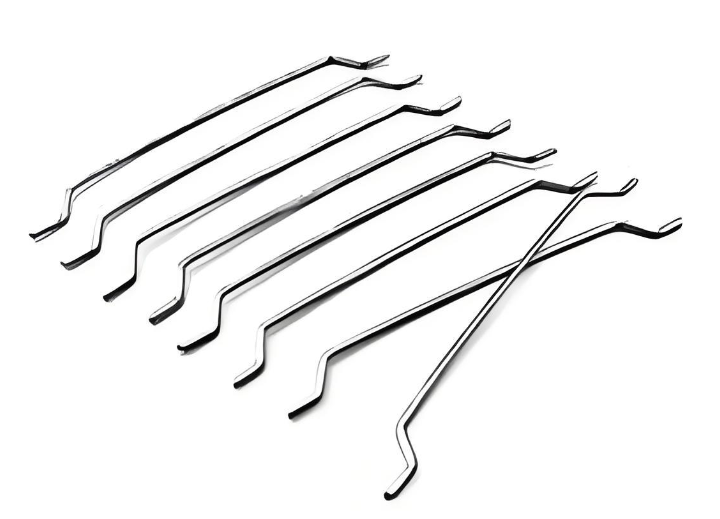
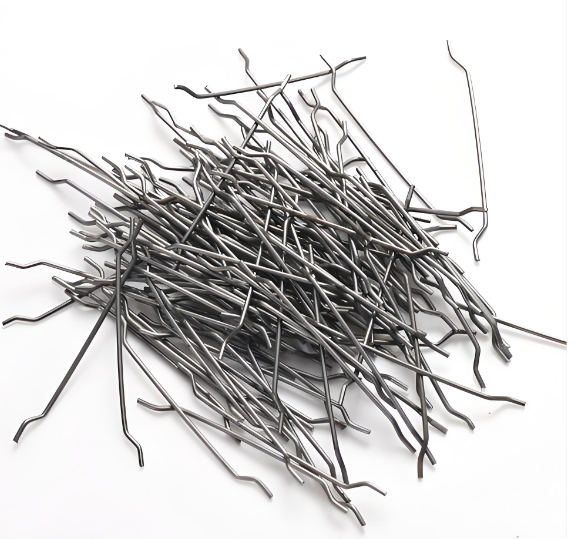
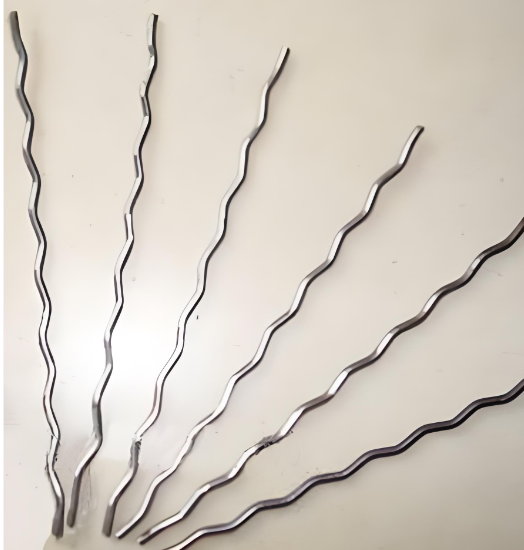
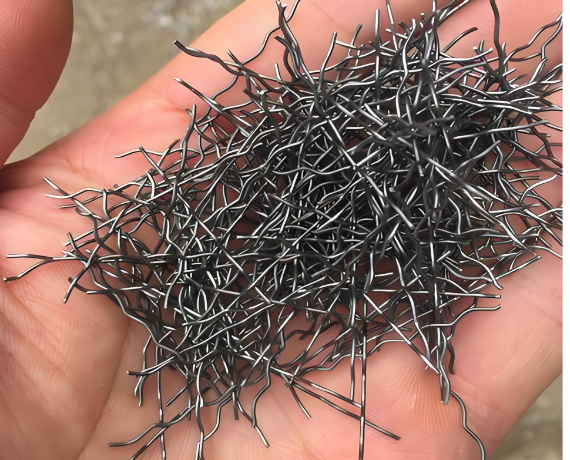
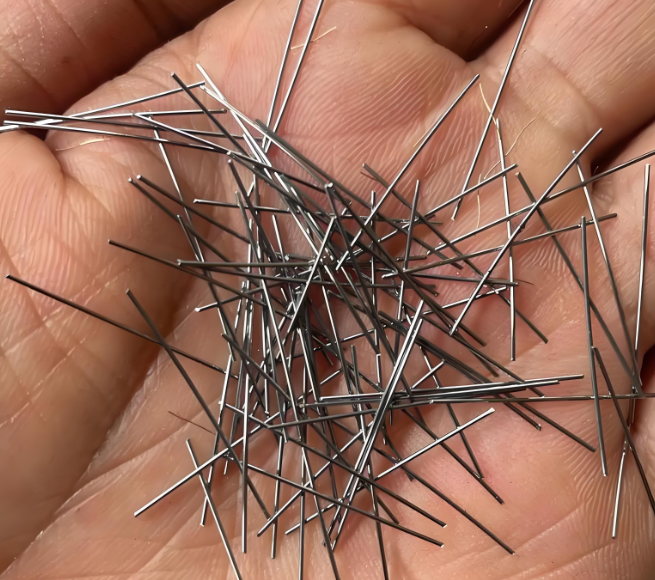
Monofilament steel fibers are made by cold drawing high-strength steel wires and processed into 0.5-1.0mm steel wires using cold drawing methods. They belong to high-performance steel fibers that can improve the impact resistance and fatigue resistance of concrete and enhance its impermeability. Due to their high tensile strength, good toughness, and low price, they are often used as a substitute for steel reinforcement fibers. By using high-quality steel fibers to reinforce concrete in three dimensions, the performance of the floor is significantly improved. It can improve the impact resistance of concrete flooring systems, absorb energy, and effectively protect the flooring system from damage when subjected to impact.
Technical specifications
Implement the standard YB/T 151-2017 for steel fibers used in concrete
| Specification and model | Length | Diameter | Aspect ratio | Tensile strength | Bending performance |
| End-Hooked Monofilament | 20-60mm | 0.5-1.0mm | 40-80 | ≥1100Mpa | Cold bending 90°, 9/10 continuously |
| Corrugated Monofilament | 25-50mm | 0.5-1.0mm | 40-80 | ≥1100Mpa | Cold bending 90°, 9/10 continuously |
| Straight Monofilament | 20-60mm | 0.5-1.0mm | 40-80 | ≥1100Mpa | Cold bending 90°, 9/10 continuously |
Application area
1. Heavy-duty floors and airport runways: Enhances wear resistance, crack control, and impact resistance.
2. Bridge pavements and pier reinforcement: Improves structural strength and durability.
3. Military shelters casting and pavement repair: Strengthens blast and penetration resistance.
Construction suggestions
• Heavy-duty floors (C30–C40): Hooked/wave fibers 30–50 kg/m³; focused on wear resistance and crack control, suitable for factories and logistics warehouses.
• Airport runways (C40–C50): Hooked fibers 40–60 kg/m³, wave fibers 35–50 kg/m³; enhance impact and fatigue resistance, suitable for main runways and aprons.
• Bridge pavements (C40–C50): Hooked fibers 30–50 kg/m³, wave fibers 30–45 kg/m³; improve shear resistance and durability. Box/T-girders (C50+): Hooked fibers 50–80 kg/m³, wave fibers 45–70 kg/m³; enhance load-bearing capacity and crack resistance.
• Military shelters (C50+ high-strength): Hooked fibers 80–120 kg/m³, wave fibers 70–100 kg/m³; strengthen penetration and blast resistance. Special protection up to 150 kg/m³.
• Pavement / component repair (C30–C40): Hooked fibers 30–40 kg/m³, wave fibers 25–35 kg/m³; for rapid strength gain and crack control.
• High-strength concrete (C50–C60): Hooked fibers 40–60 kg/m³, wave fibers 35–55 kg/m³; suitable for core columns and heavy-load beams, enhancing crack resistance and toughness.
• Floors / pavements (C25–C40): Hooked fibers 20–30 kg/m³, wave fibers 16–20 kg/m³; focused on wear resistance and crack control.
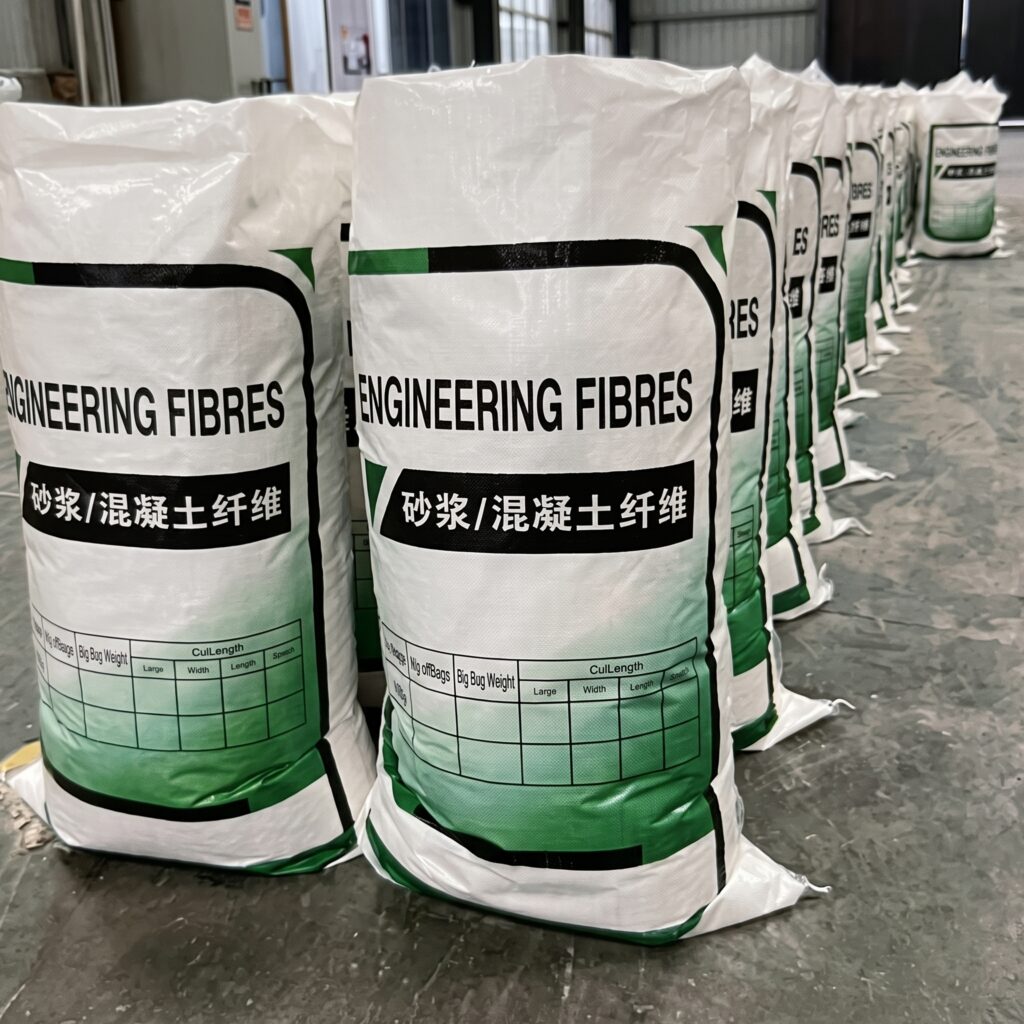
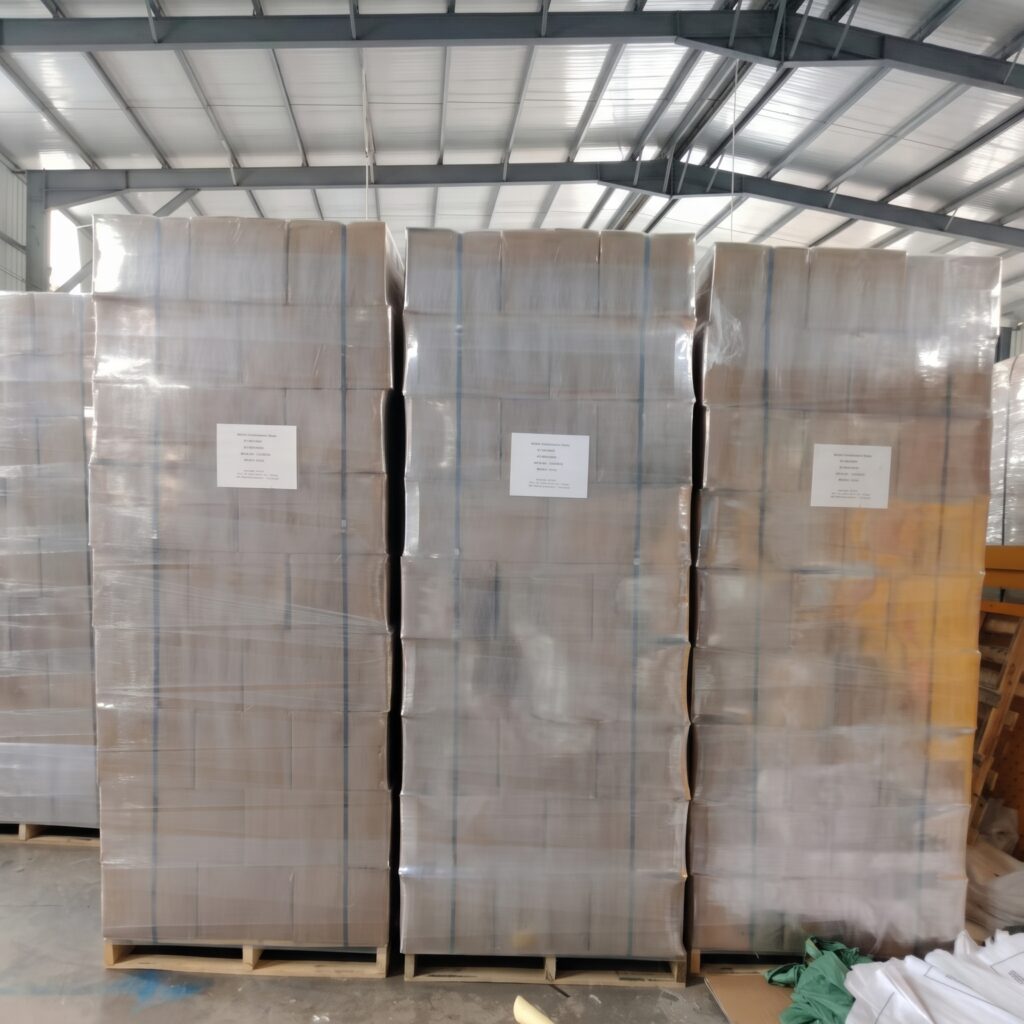
Packaging specifications
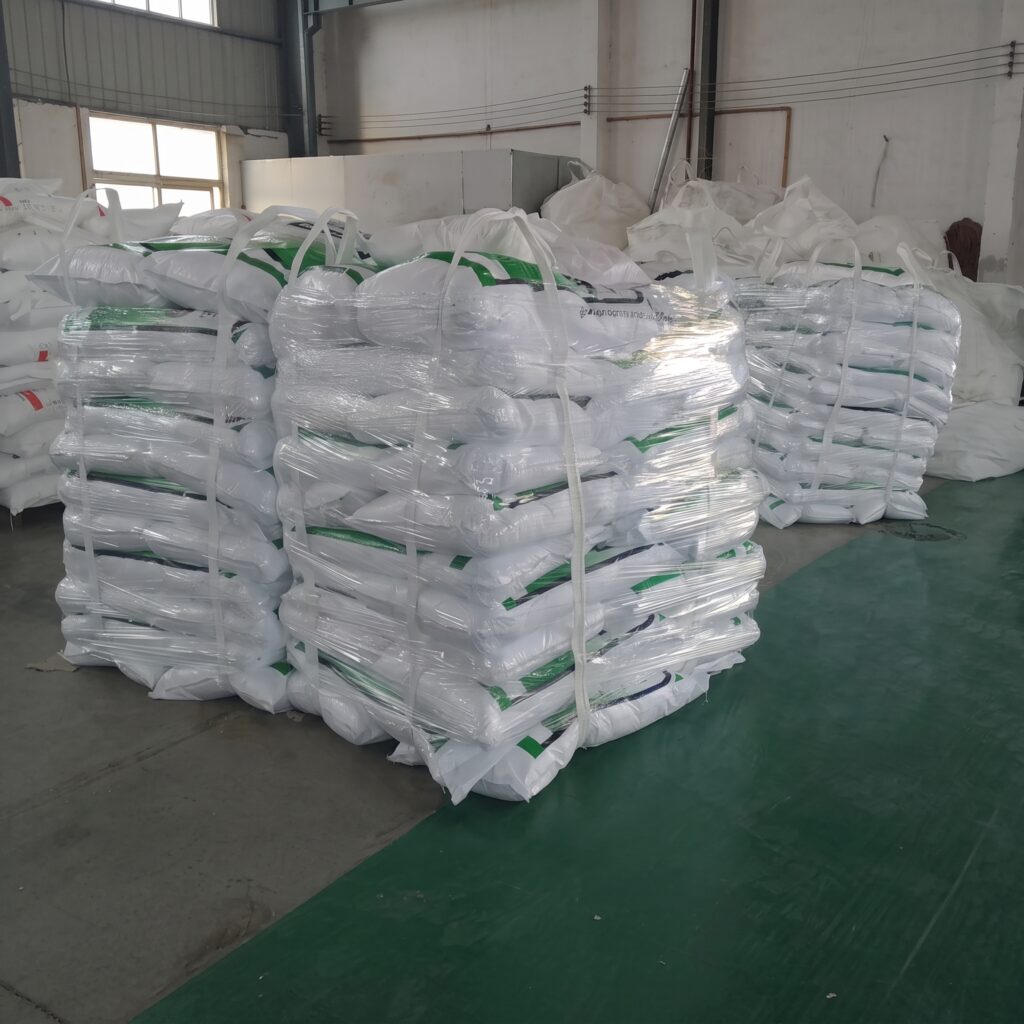
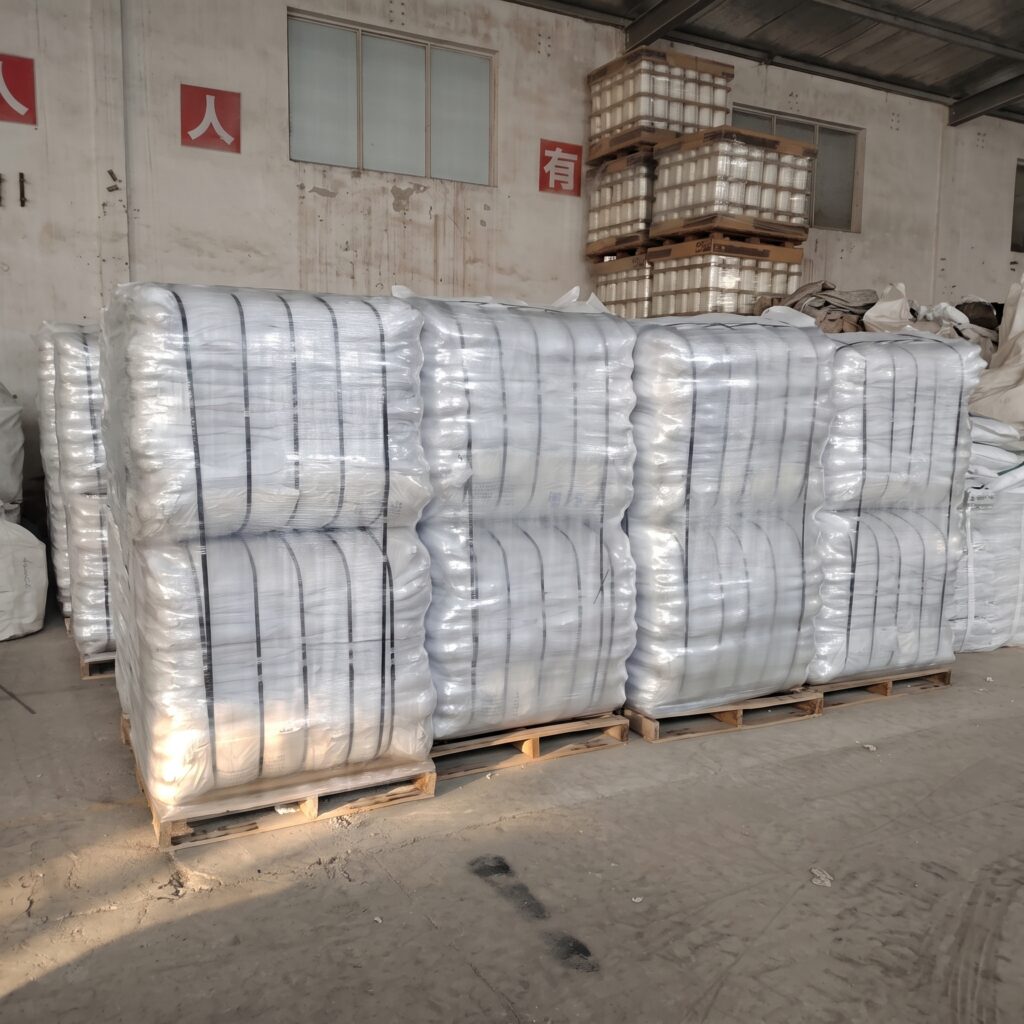
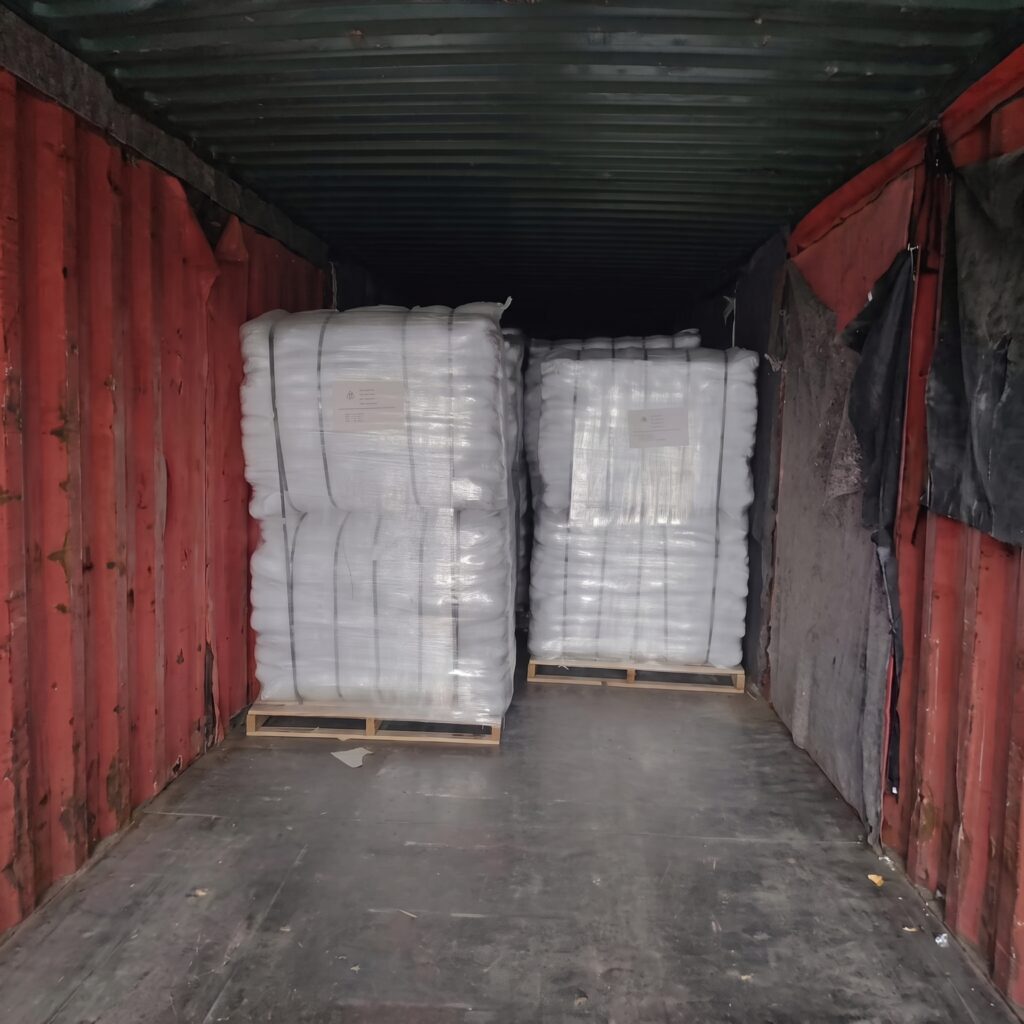
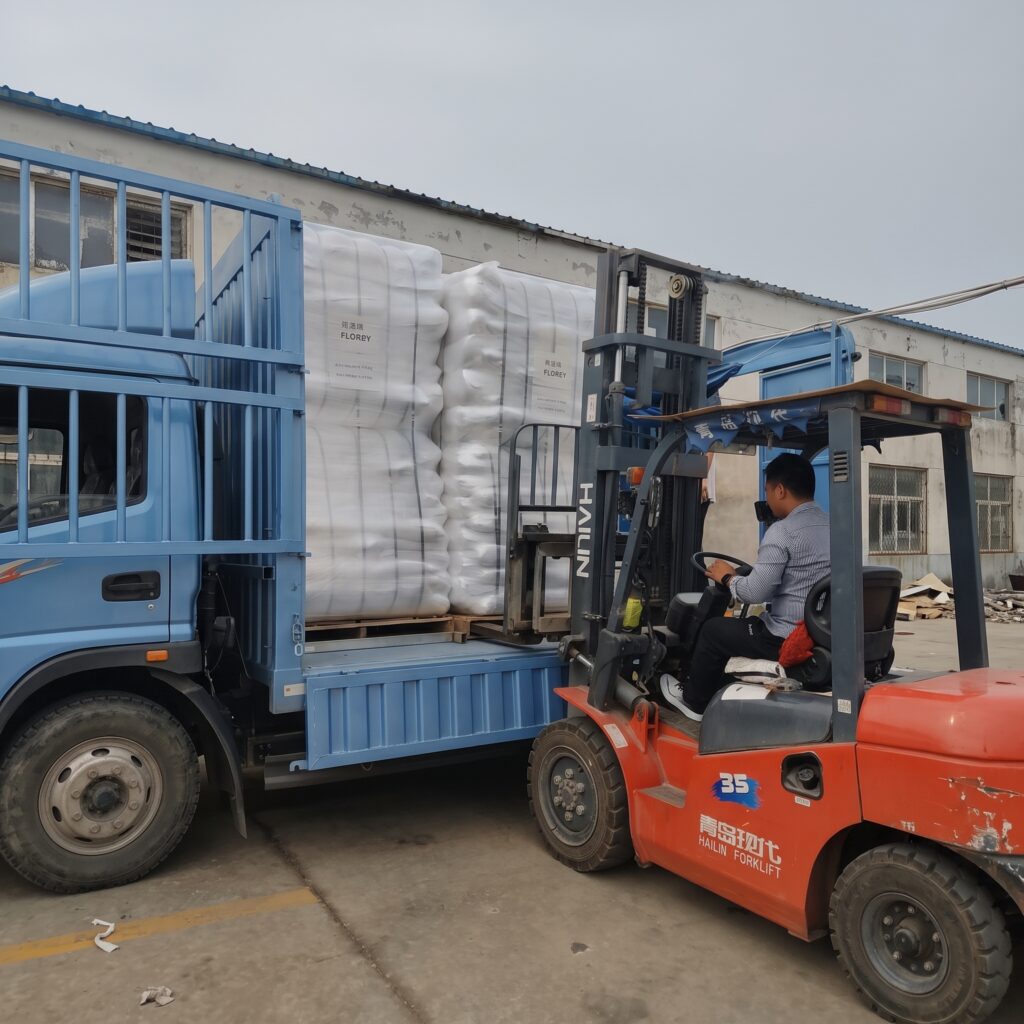
Technical guidance