Polypropylene Mesh Fiber
Product introduction
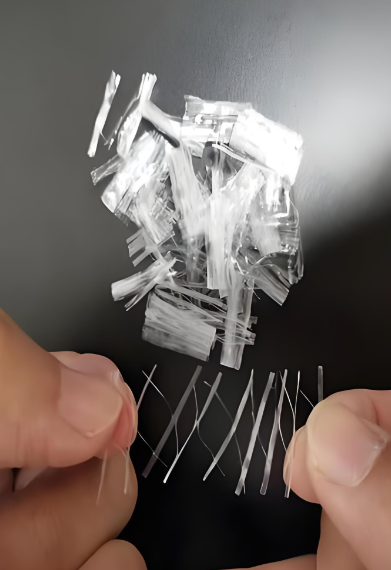
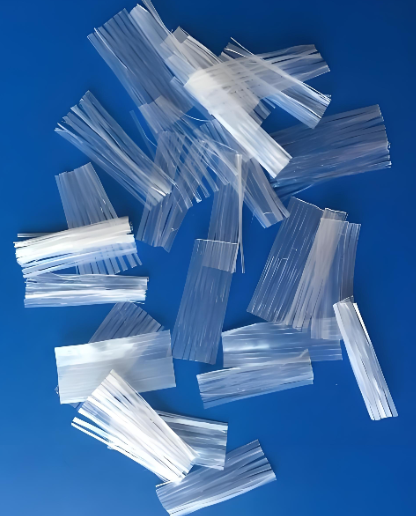
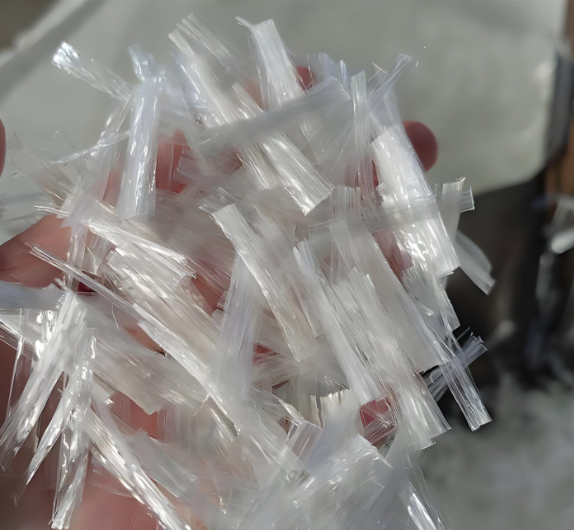
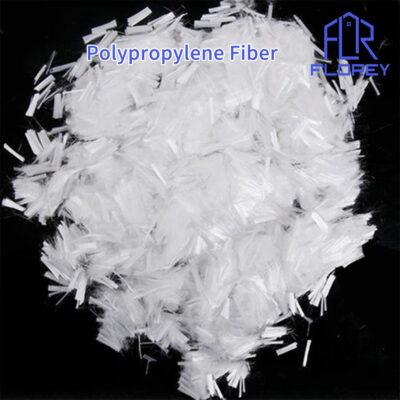
Polypropylene mesh fiber is a type of fiber made by special processing and treatment of polypropylene particles as raw materials, interweaving bundles into a mesh. After being added to the concrete base material and mixed, a fiber monofilament or mesh structure is fully opened, forming a disorderly support system inside the concrete. It can effectively control the early plastic shrinkage and settlement cracks of concrete and cement mortar. Greatly improving the impermeability, crushing resistance, and impact resistance of concrete, enhancing its toughness and wear resistance, thereby greatly extending the service life of buildings and greatly reducing engineering maintenance costs.
Technical specifications
Executive standard GB/T21120-2018 Synthetic fibers for cement concrete and mortar
| Texture of material | Polypropylene | Fiber type | Monofilamentous |
| Density | 0.91g/cm³ | Tensile strength | ≥450Mpa |
| Fiber diameter | 18-48µm | Elastic modulus | ≥3.5Gpa |
| Melting point | 165℃ | Water absorption | Not absorbing water |
| Security | Non toxic materials | Elongation at break | <30% |
| Length | 19mm | Alkali resistance performance | Ultimate tensile retention rate greater than or equal to 98% |
Application area
1. Projects with high crack resistance requirements, such as concrete pavement, bridge deck, airport runway, and factory floor.
2. Projects that use special construction methods for walls, roofs, reservoirs, and other structures in tunnels and mines.
3. Rivers, dams, and other engineering projects; Military protection engineering, dock revetment, bridge piers, etc.
Construction suggestions
• General crack control (slabs, floors, walls, ordinary structural members): 0.9 kg/m³ (preferred dosage), used to suppress early-age plastic shrinkage cracking; suitable for 19 mm fibers.
• Medium to high crack resistance / impermeability (basements, water tanks, roofs, bridge deck pavements): 1.2–1.5 kg/m³, balancing crack control and workability.
• Shotcrete / impact resistance (tunnels, slope protection, airport pavements): 1.5–1.8 kg/m³; admixtures are required to prevent fiber balling.
• Special requirements (e.g. ultra-high toughness, blast resistance): Up to 2.0–2.7 kg/m³; trial mixes are recommended to verify workability and strength effects.
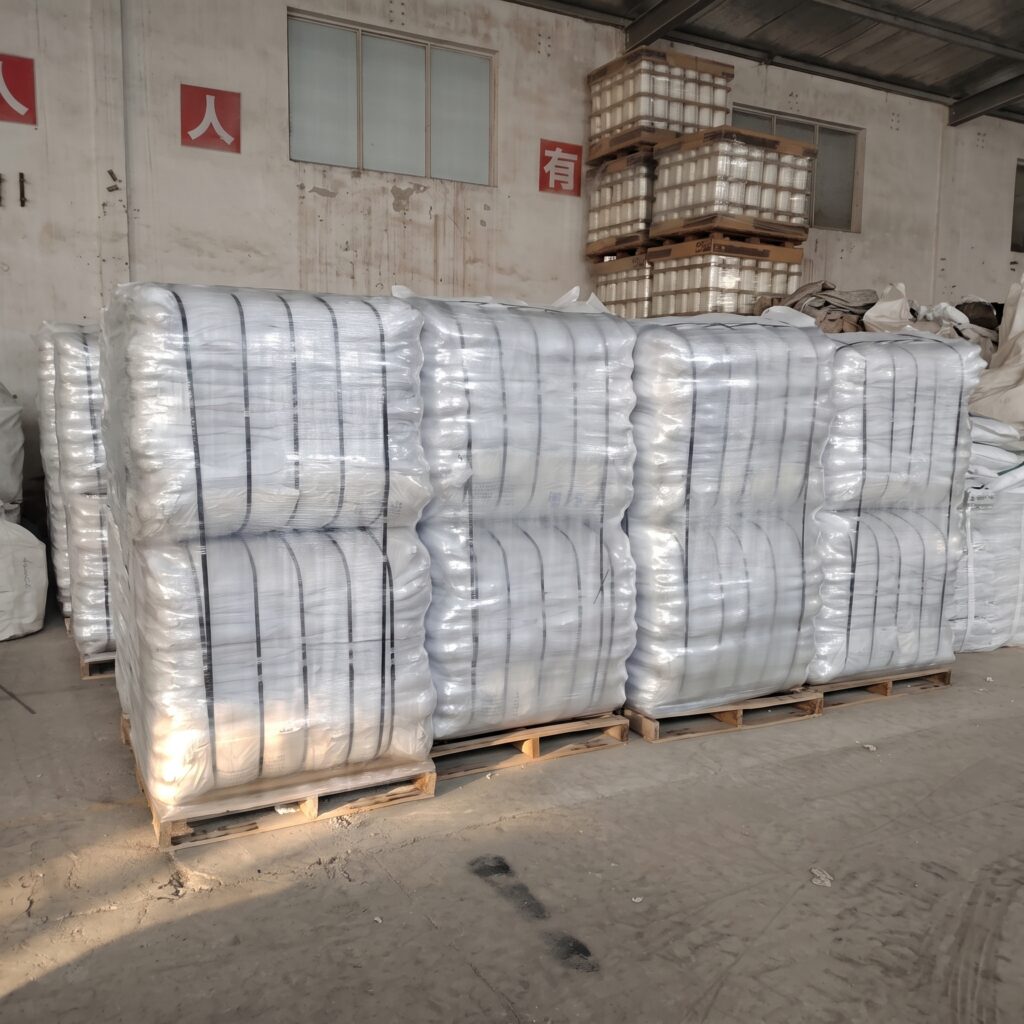
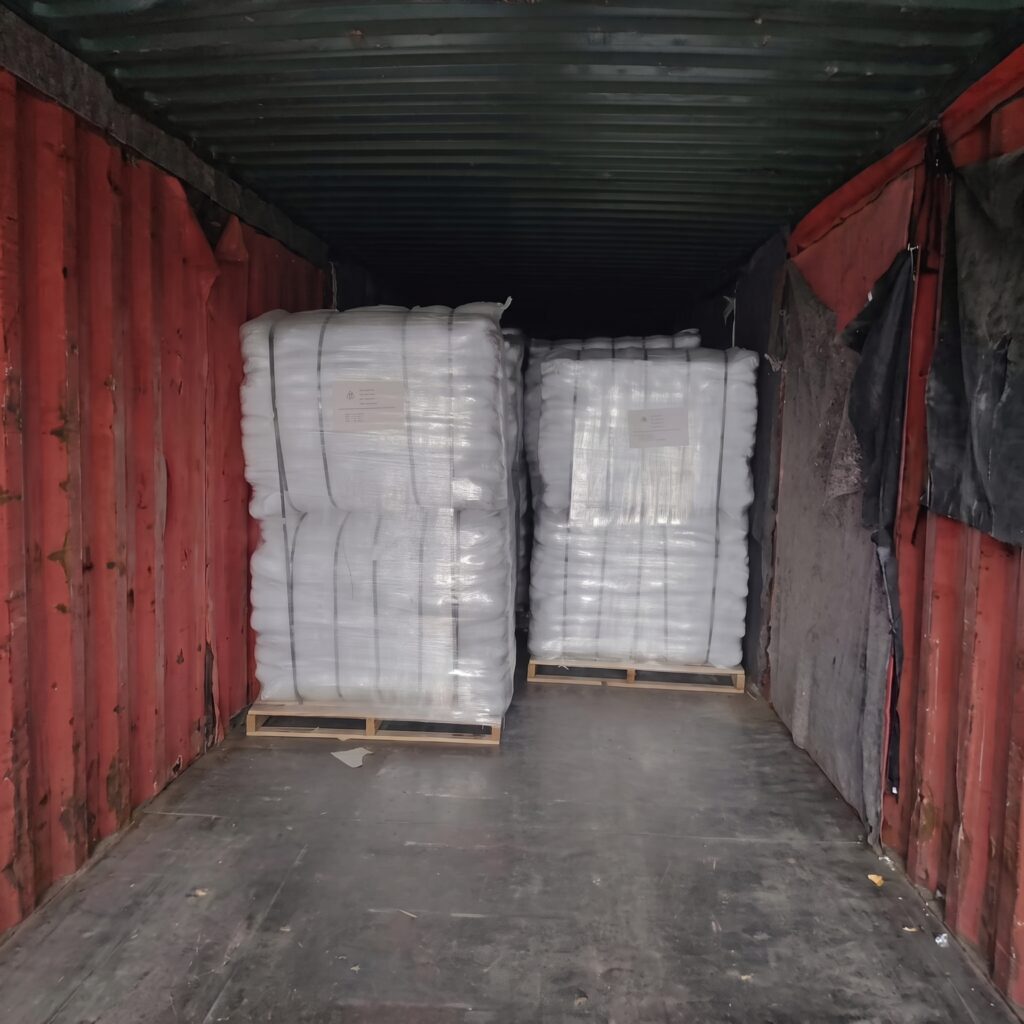
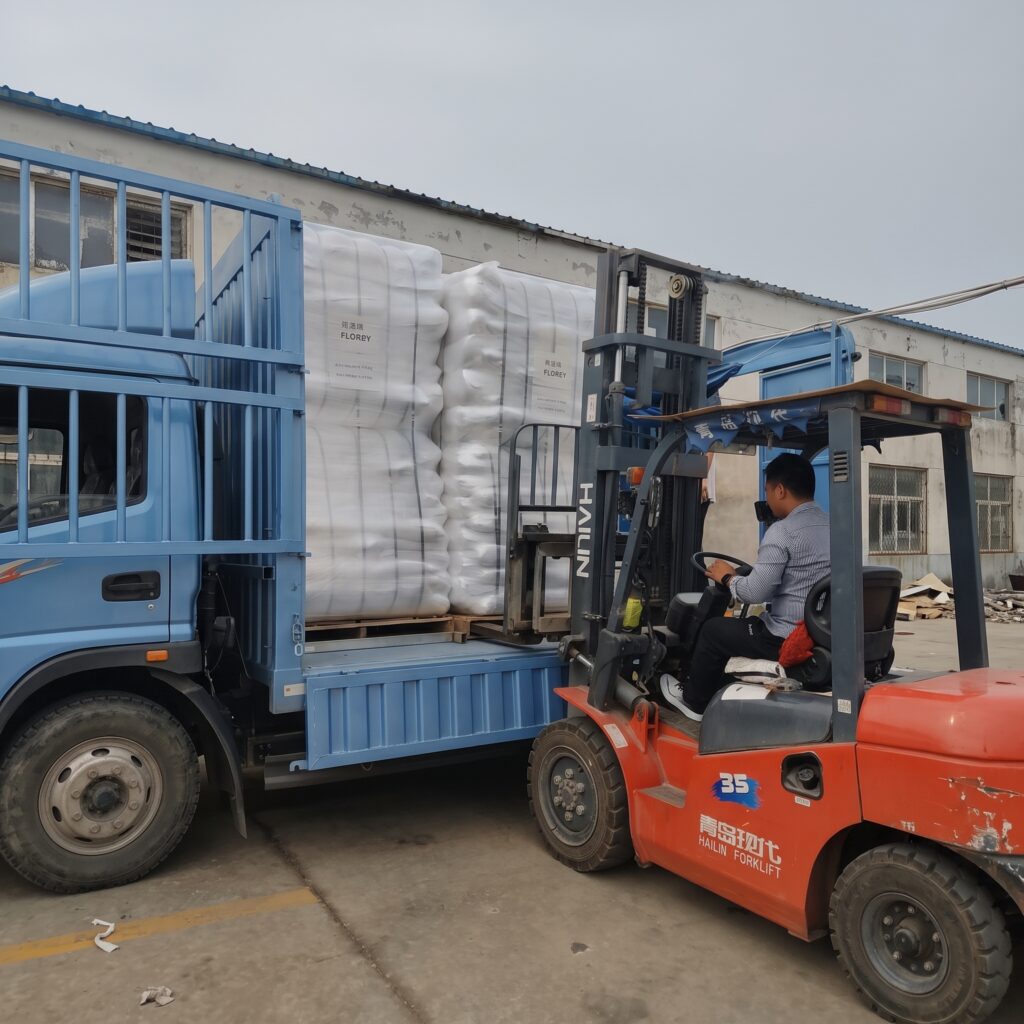
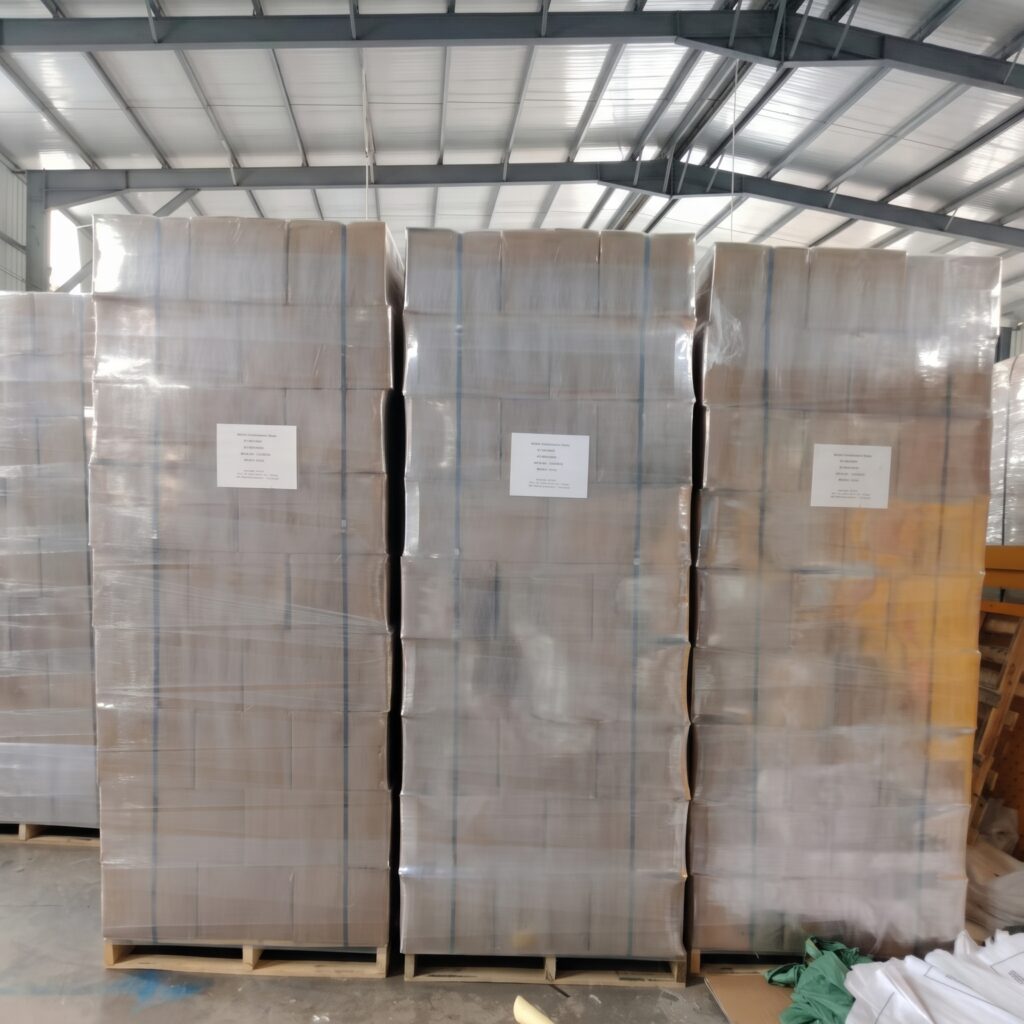
Packaging specifications
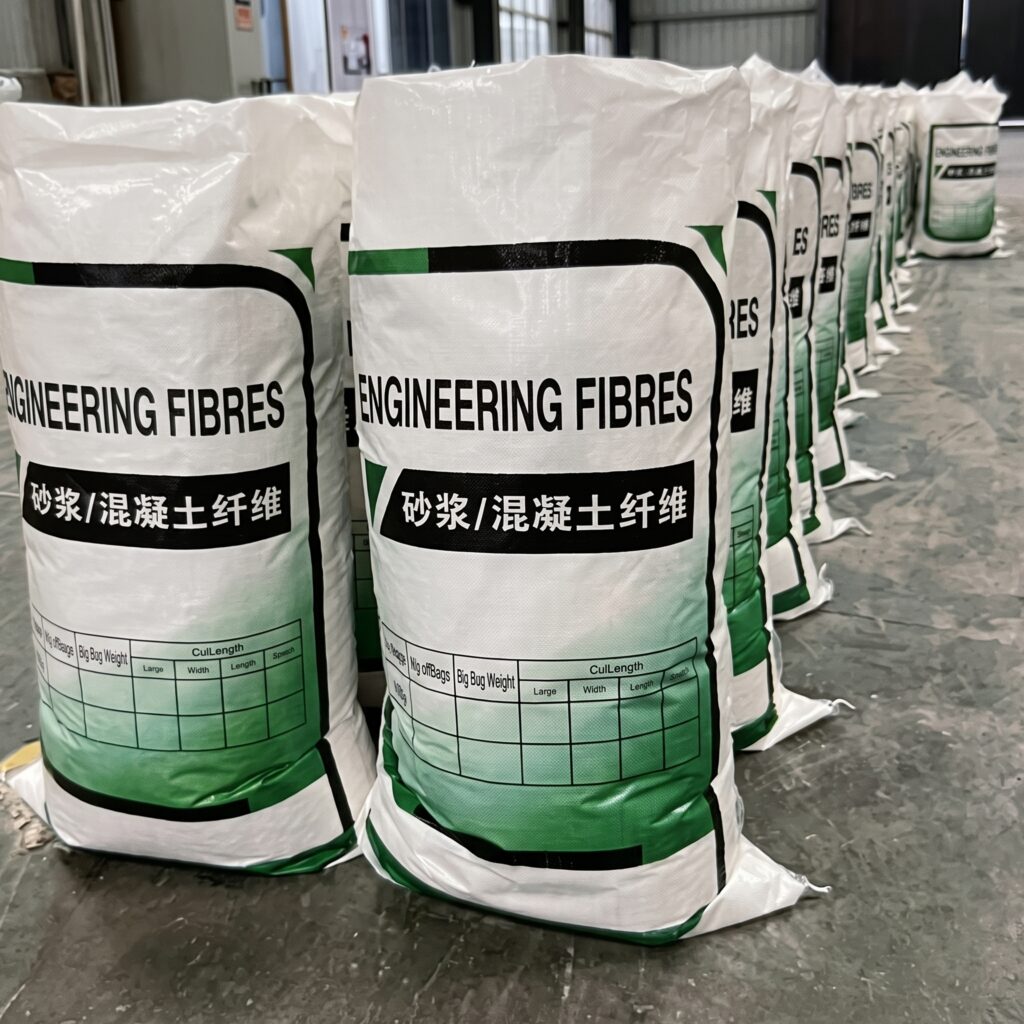
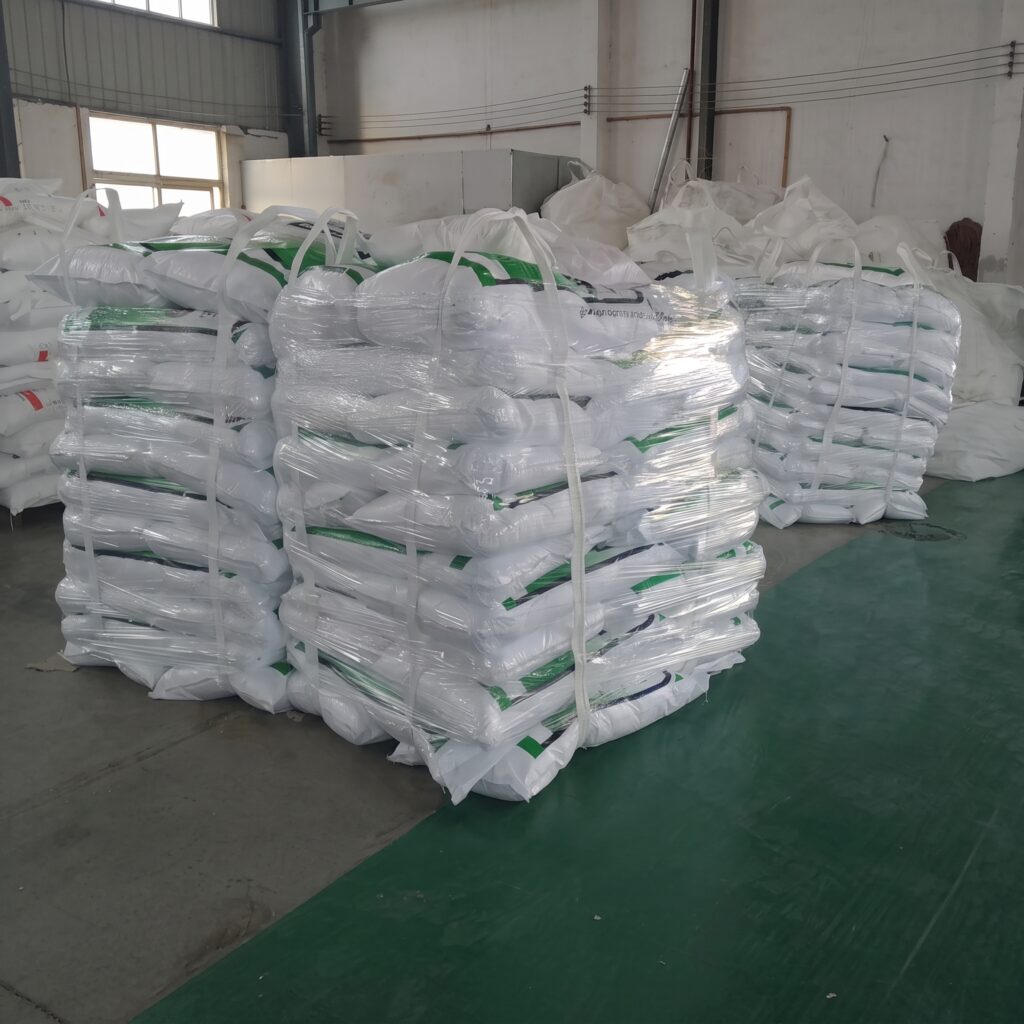
Technical guidance