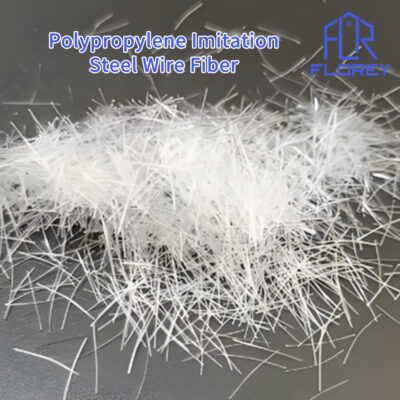
Polypropylene Steel-Imitated Fiber
Product introduction
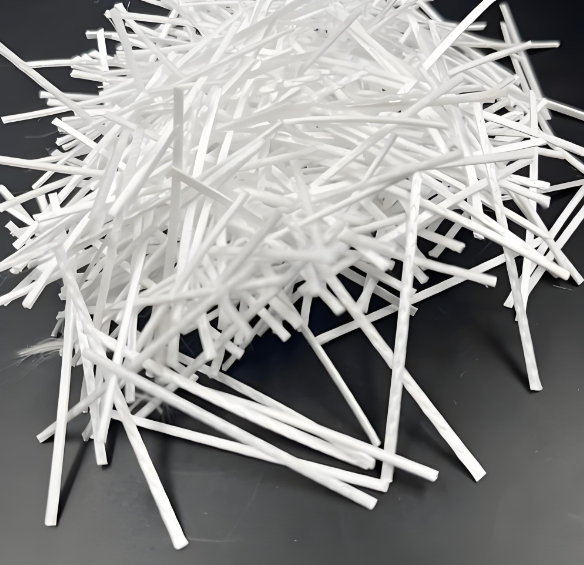
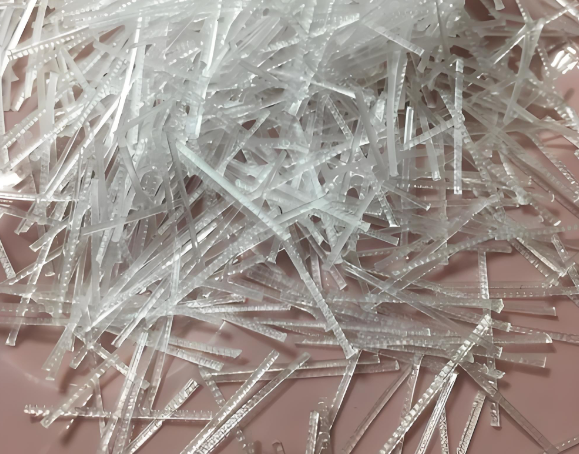
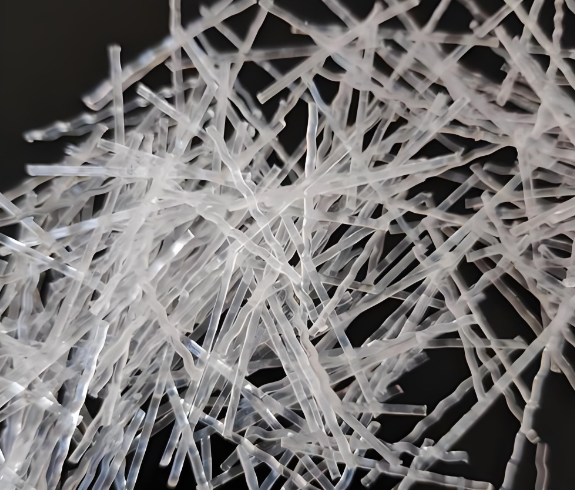
Polypropylene steel-Imitated fiber, also known as plastic steel fiber or imitation steel wire fiber, is refined through special production processes using polypropylene and polyethylene as the main raw materials. Its surface is rough, its contour is clear, and it has good dispersibility and adhesion with the cement matrix. The product has both the functions of steel fibers and the advantages of synthetic fibers, mainly used to replace welded metal grids and steel fibers in concrete panel structures. Polypropylene steel-Imitated fiber is an iron filled product that fills the gap between steel fibers and polypropylene fibers. Its performance is similar to that of shear steel fibers. The surface of this fiber is rough and uneven, with a diameter of about 0.8mm. It is a new type of reinforcement and toughening material. When the fiber content is high, the fiber has a significant effect on the early crack resistance of concrete, which can replace steel fibers or steel wire mesh, increase the toughness of concrete, improve the ability to resist temperature stress or burst.
Technical specifications
Executive standard GB/T21120-2018 Synthetic fibers for cement concrete and mortar
| Fiber material | 100% Polypropylene | Density | 0.91g/cm³ |
| Fiber type | Bamboo-shaped, wavy | Melting point | 170℃ |
| Tensile strength | ≥450Mpa | Initial modulus | ≥5000Mpa |
| Elongation at break | 15%-30% | Length | 30.48.55mm |
| Equivalent diameter | 0.9mm | Alkali resistance performance | ≥95 |
| Standard dosage | 2-20kg/m³ | General dosage | 2.5kg/m³ |
Application area
1. Road engineering: Used in pavement and base concrete to improve flexural strength, fatigue resistance, and erosion resistance.
2. Bridge engineering: Incorporated into bridge deck concrete to enhance crack resistance and extend service life.
3. Airport runways: Added to runway concrete to improve impact resistance, abrasion resistance, and freeze–thaw durability.
4. Ports and docks: Used in quay yard and breakwater concrete to enhance resistance to seawater corrosion and heavy loads.
5. Water conservancy projects: Incorporated into dam and sluice concrete to improve impermeability, crack resistance, and scour resistance.
6. Industrial floors: Applied in heavy-duty workshop floor concrete to enhance impact resistance, wear resistance, and crack control.
Construction suggestions
• General crack control (floors, walls, ordinary structural members): 3 kg/m³ (30–36 mm fibers), used to control plastic and drying shrinkage cracking.
• Medium to high crack resistance / impermeability (basements, water tanks, bridge deck pavements): 4.5–6 kg/m³, balancing toughness and workability.
• Impact resistance / abrasion resistance (airport pavements, hydraulic spillways, tunnel shotcrete): 6–9 kg/m³; for shotcrete, fiber length ≤25 mm is recommended to prevent hose blockage.
• Steel fiber replacement (C40+ structural concrete): 6–8 kg/m³, often combined with 0.9 kg/m³ polypropylene monofilament fibers to further enhance crack control.
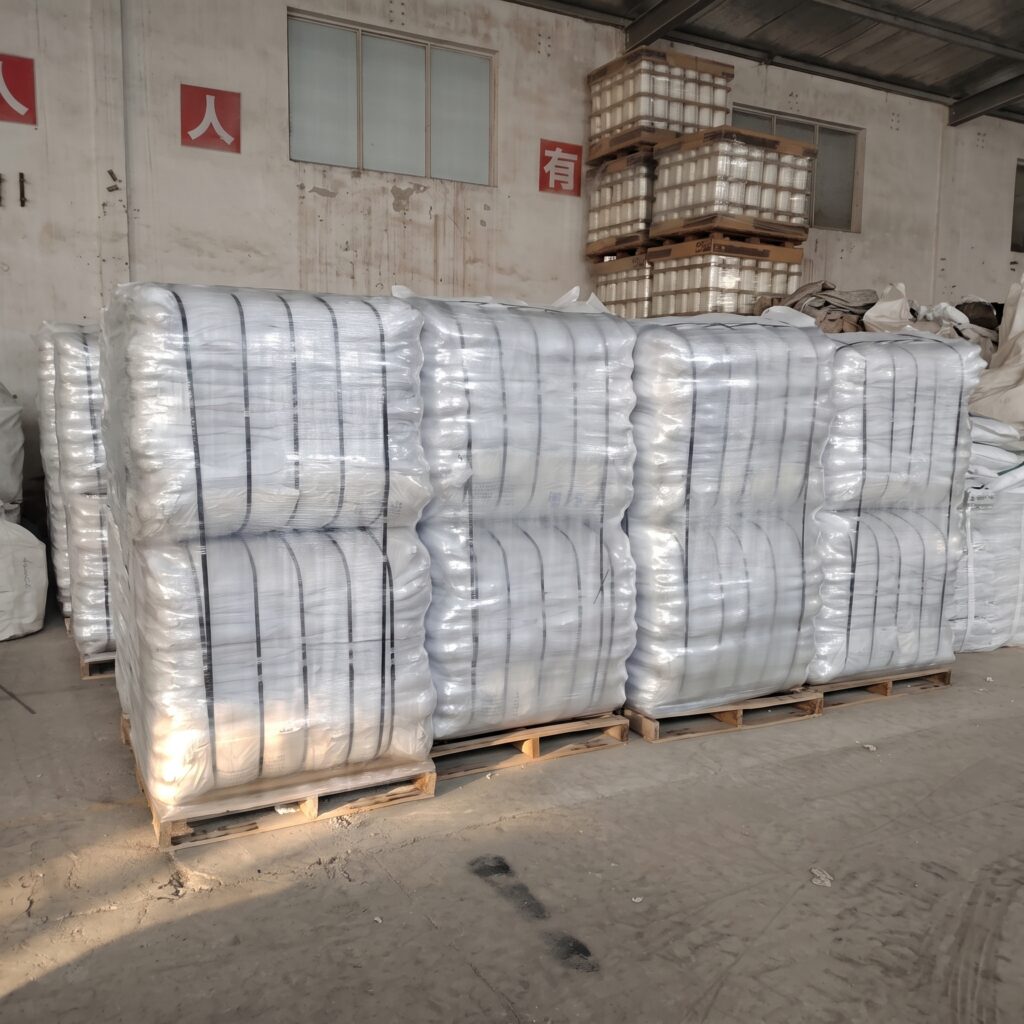
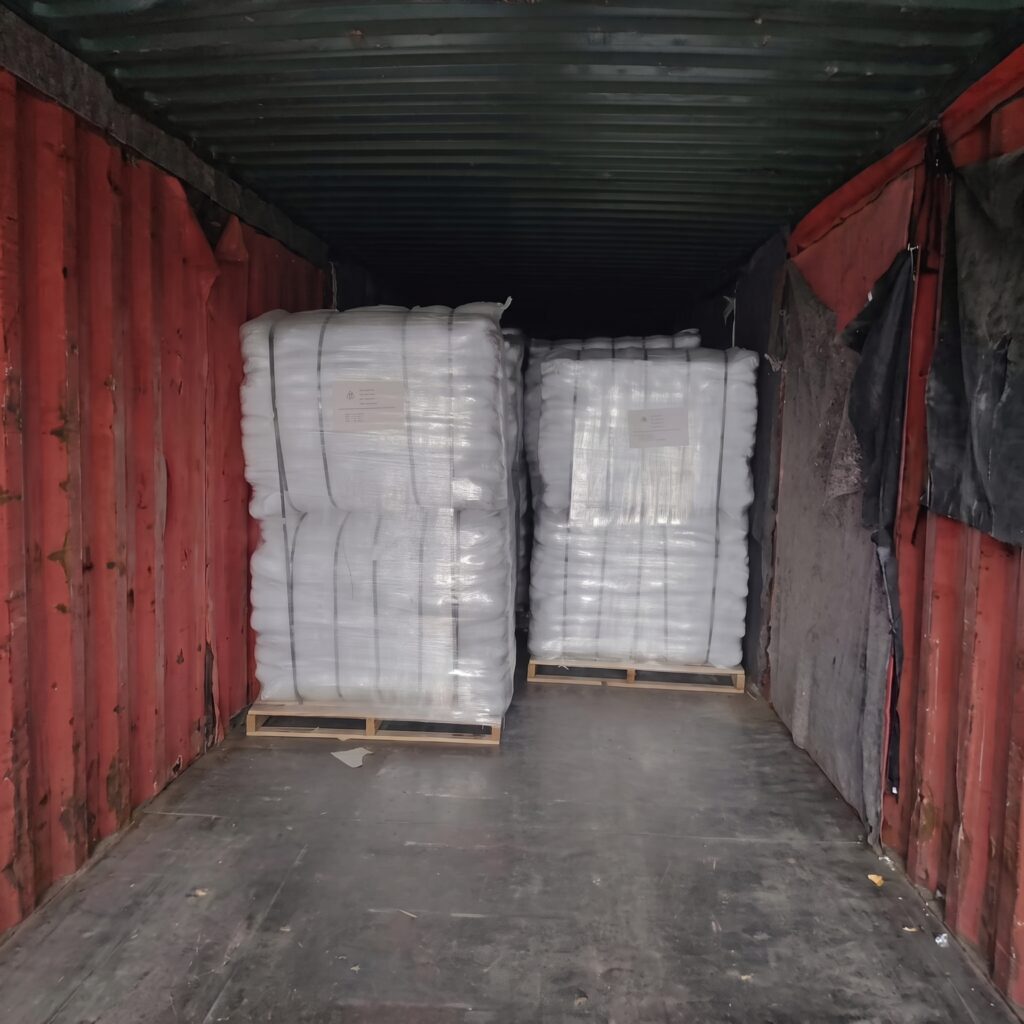
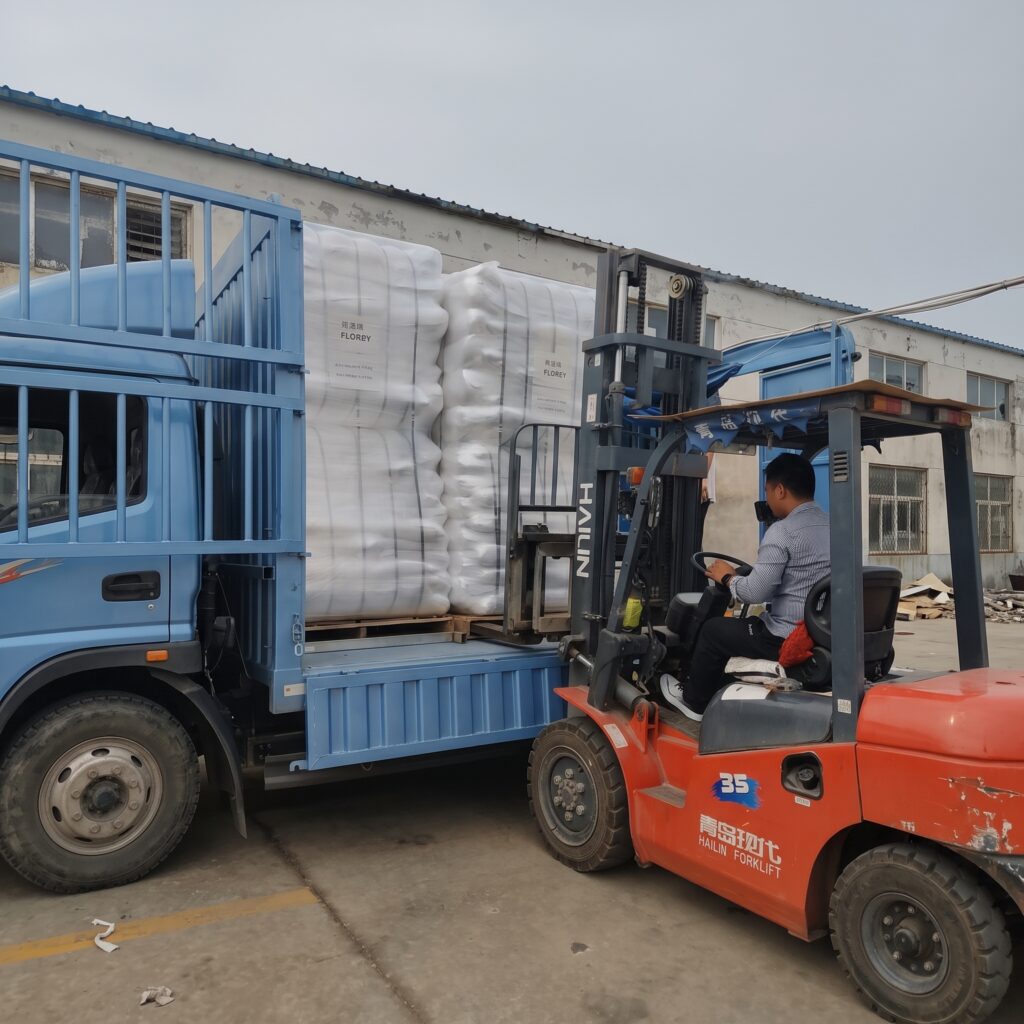
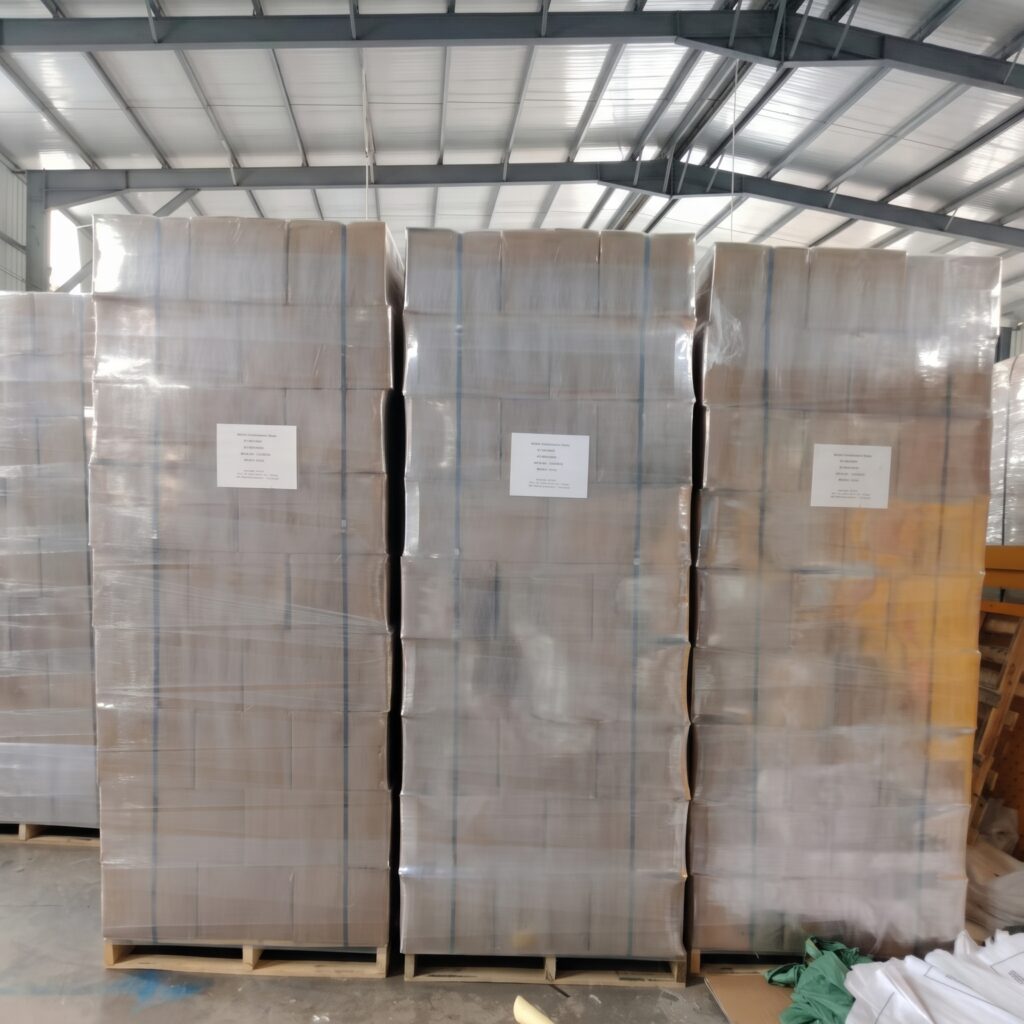
Packaging specifications
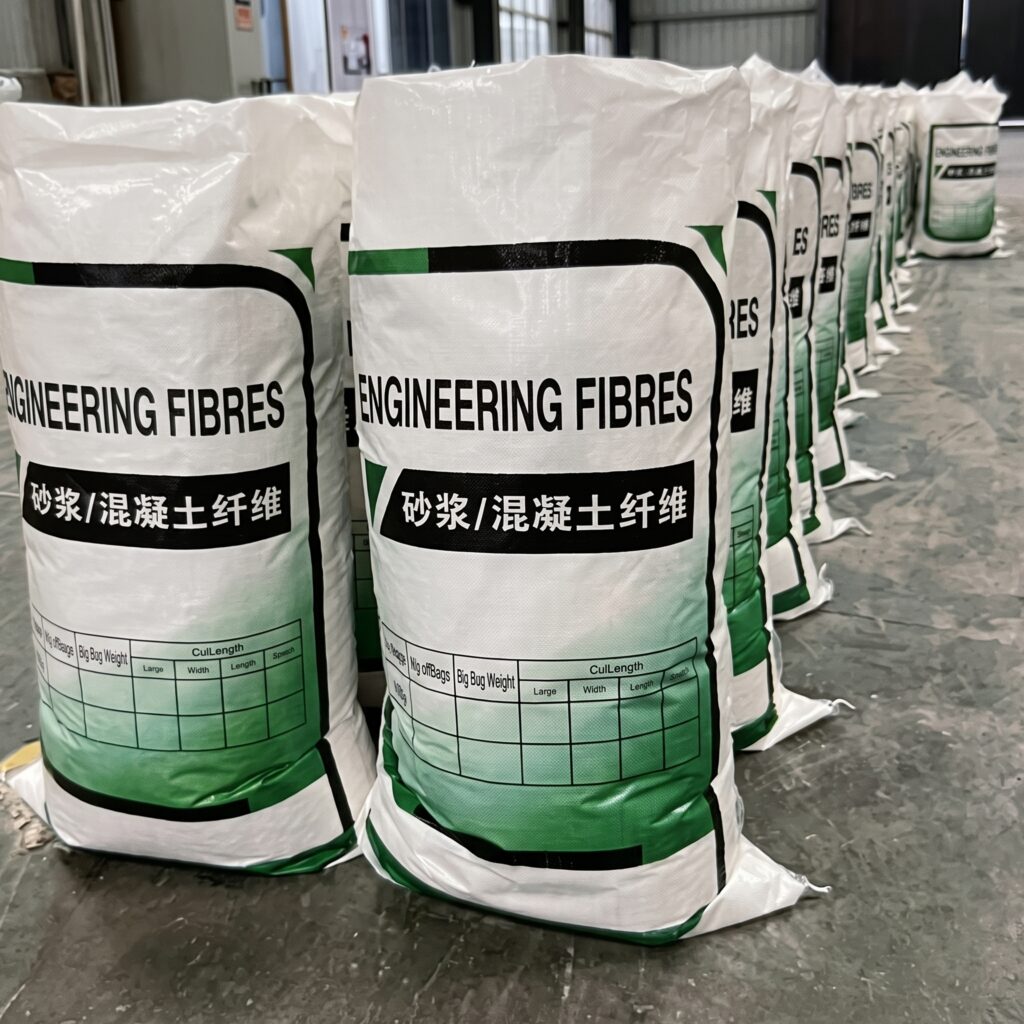
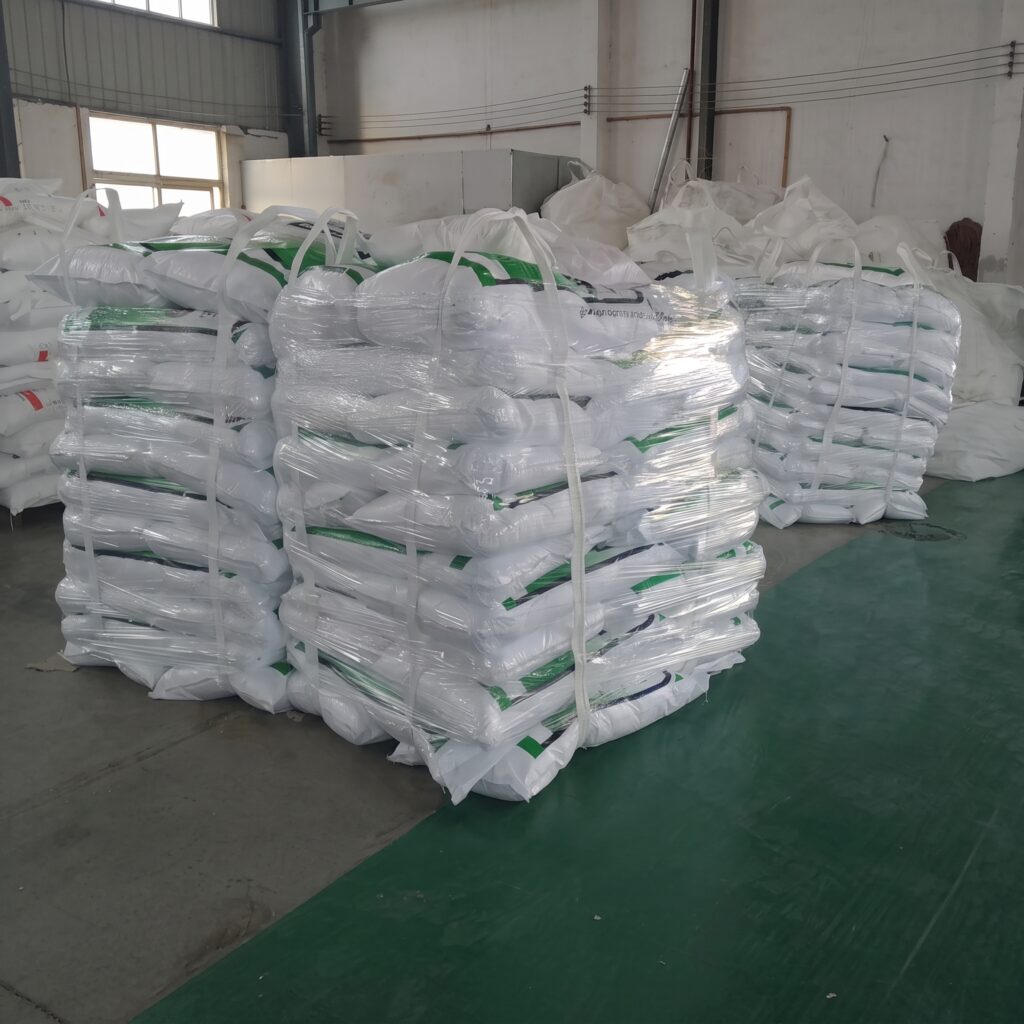
Technical guidance