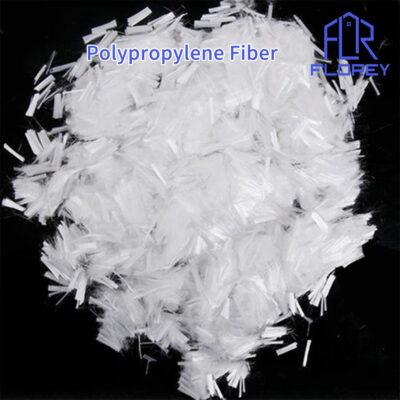
Polypropylene Imitation Steel Wire Fiber
Product introduction
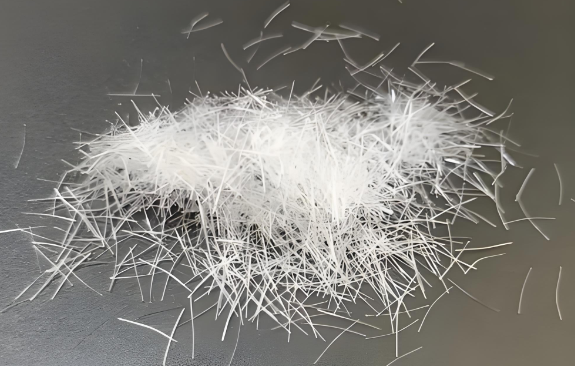
Polypropylene imitation steel wire fibers are made from modified polypropylene, witha diameter of 0.22 mm and lengths selectable from 6, 8, 10, or 12 mm. They canreplace copper-coated steel fibers in UHPC. Through a special treatment process, an active interface is formed on the fiber surface, providing strong bonding with the cement matrix.These fibers feature high tensile strength and elastic modulus, effectively controlling UHPC drying shrinkage and thermal cracking, while enhancing impact resistance and durability. They have excellent dispersibility without agglomeration, are compatible with UHPC fine aggregate systems, and offer alkali resistance, corrosion protection, and safe handling. Overall, they provide a lower-cost solution.
Technical specifications
Executive standard GB/T21120-2018 Synthetic fibers for cement concrete and mortar
| Texture of material | Polypropylene | Security | Non-toxic |
| Fiber diameter | 0.18-0.2mm | Elastic modulus | ≥3.5Gpa |
| Elongation at break | 15-30% | Water absorption | Not absorbing water |
| Length | 6-12mm | Acid and alkali resistance | Retention rate ≥95% |
| Tensile strength | ≥450Mpa | Elongation at break | Uniformly dispersed without merging or clumping |
Application area
1. UHPC components: Used in UHPC precast slabs and segmental linings, replacing copper-coated steel fibers to improve crack resistance and toughness.
2. High-speed railway RPC components: Suitable for high-speed rail track slabs and RPC cover slabs, enhancing durability and fatigue resistance.
3. Bridge engineering: Incorporated into UHPC bridge deck pavements to improve impact resistance, impermeability, and extend service life.
4. Ports and docks: Used in breakwaters and yard UHPC to resist seawater corrosion and enhance load-bearing and scour resistance.
5. Water conservancy projects: Added to dam and sluice UHPC to improve impermeability, crack resistance, and resistance to water erosion.
6. Industrial floors: Applied in heavy-duty workshop and explosion-proof UHPC floors to enhance impact resistance, wear resistance, and crack control.
Construction suggestions
• UHPC/RPC concrete: Dosage 4–6 kg/m³; replaces copper-coated steel fibers to improve crack resistance and toughness, suitable for precast components and bridge deck pavements.
• Shotcrete / thin-layer concrete: Dosage 3–5 kg/m³; used for tunnel initial support and thin-walled elements to reduce rebound and enhance impermeability and impact resistance.
• Heavy-duty industrial floor concrete: Dosage 3–4 kg/m³; suitable for heavy-load workshops and port yard slabs, improving wear resistance, crack control, and fatigue performance.
Packaging specifications
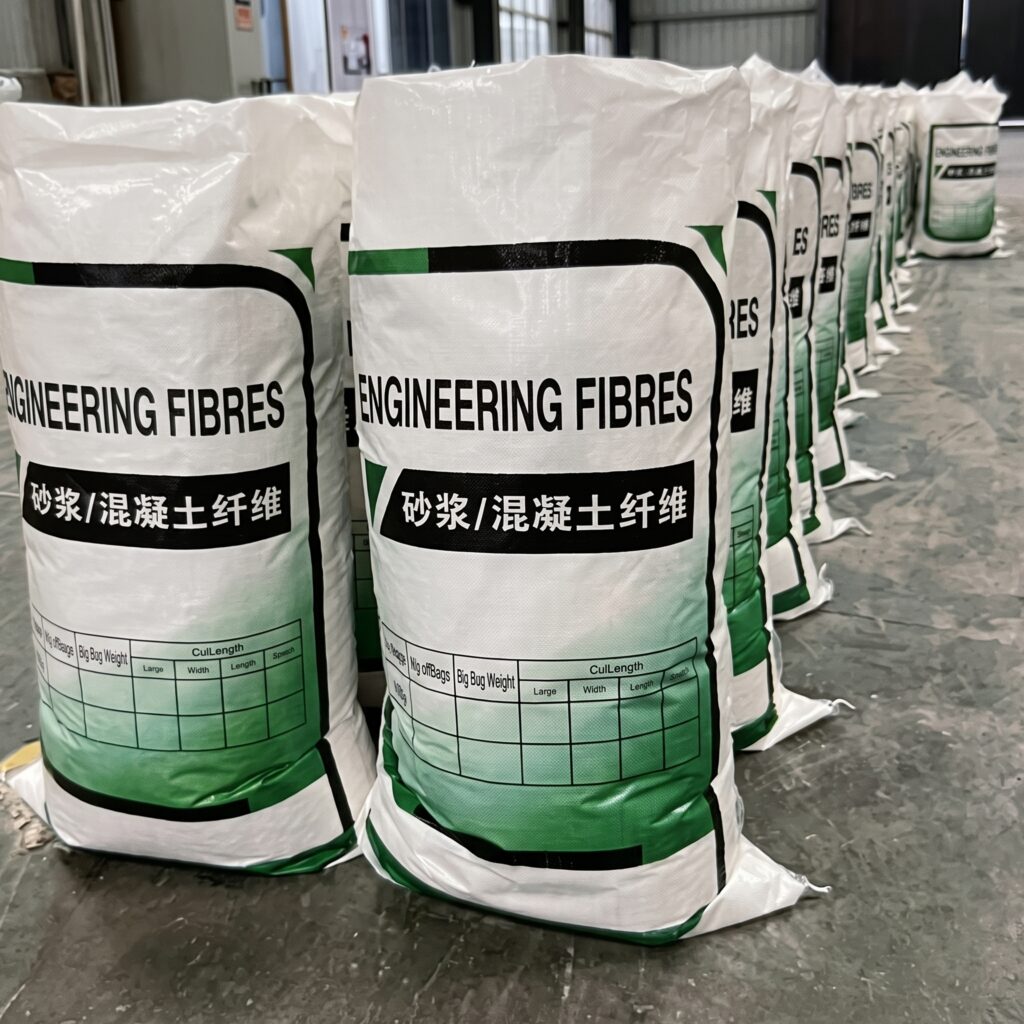
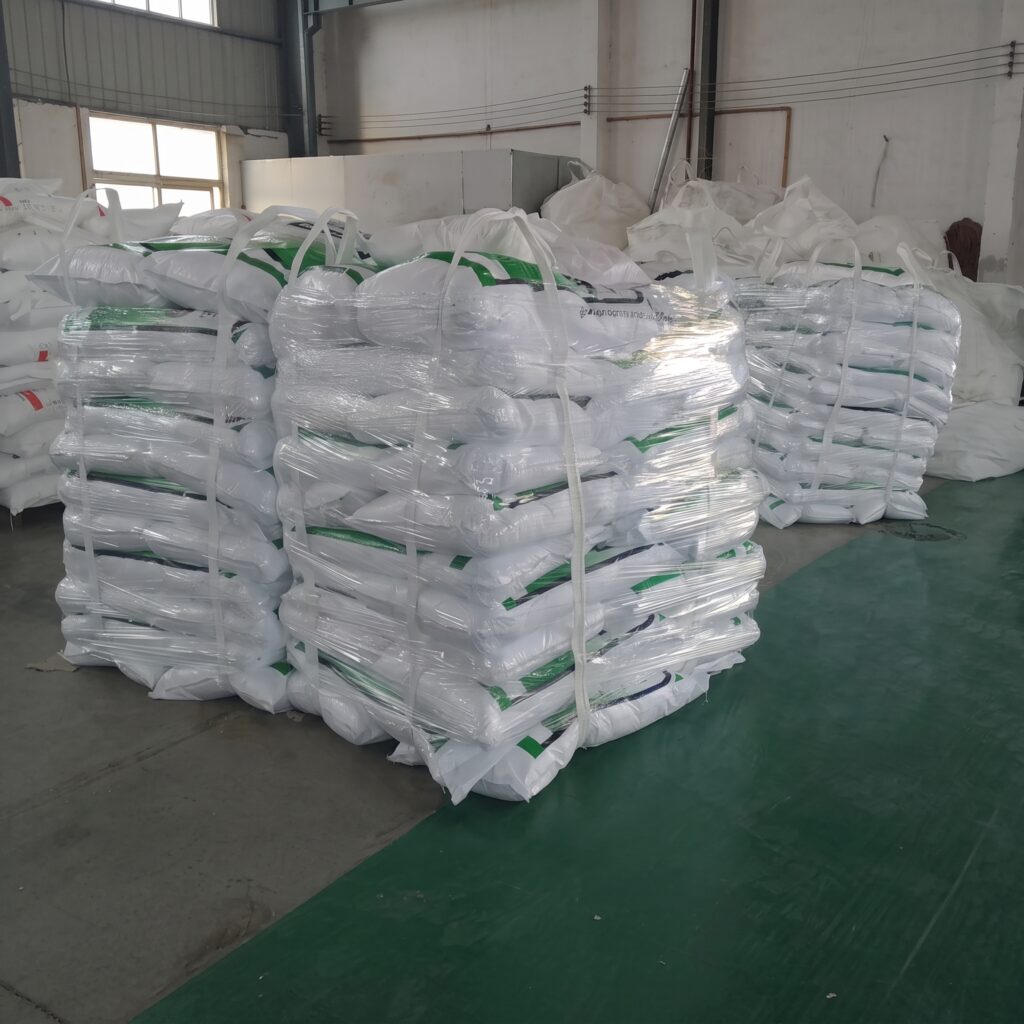
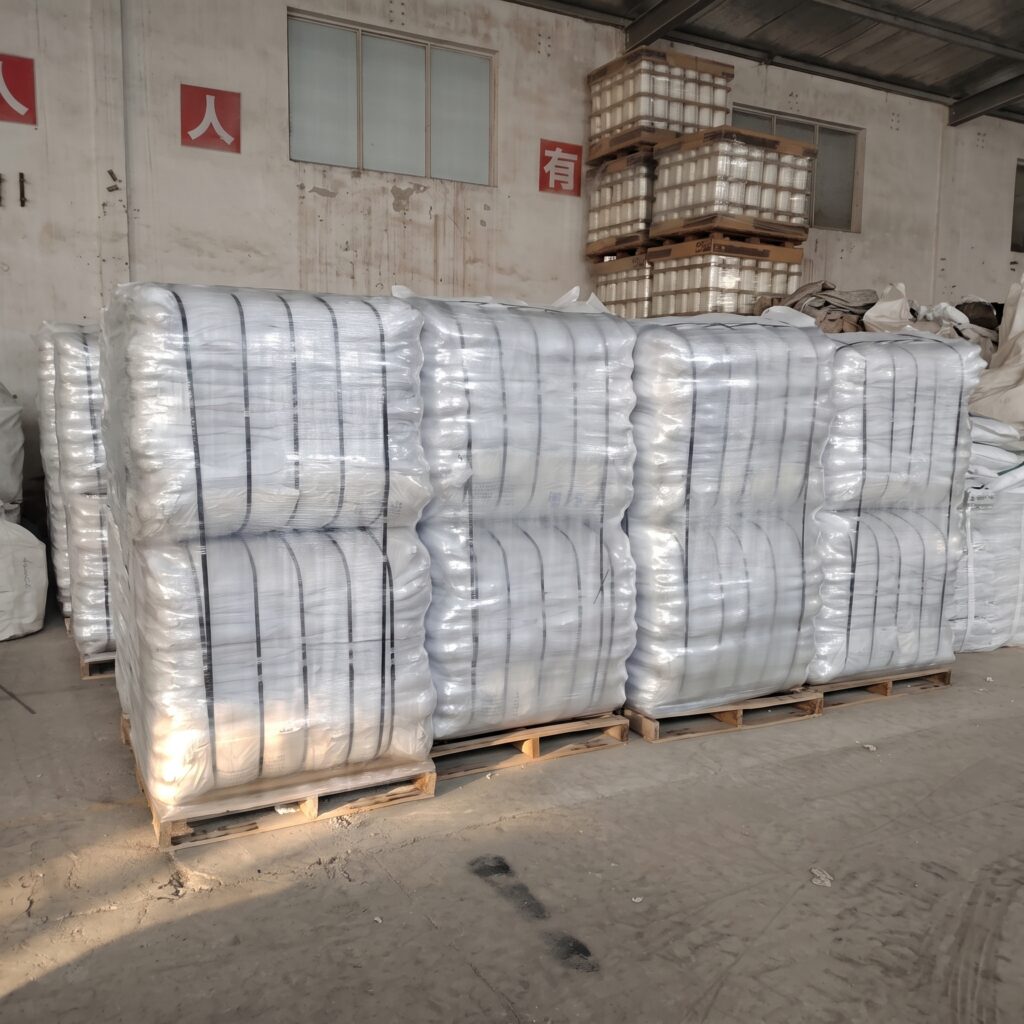
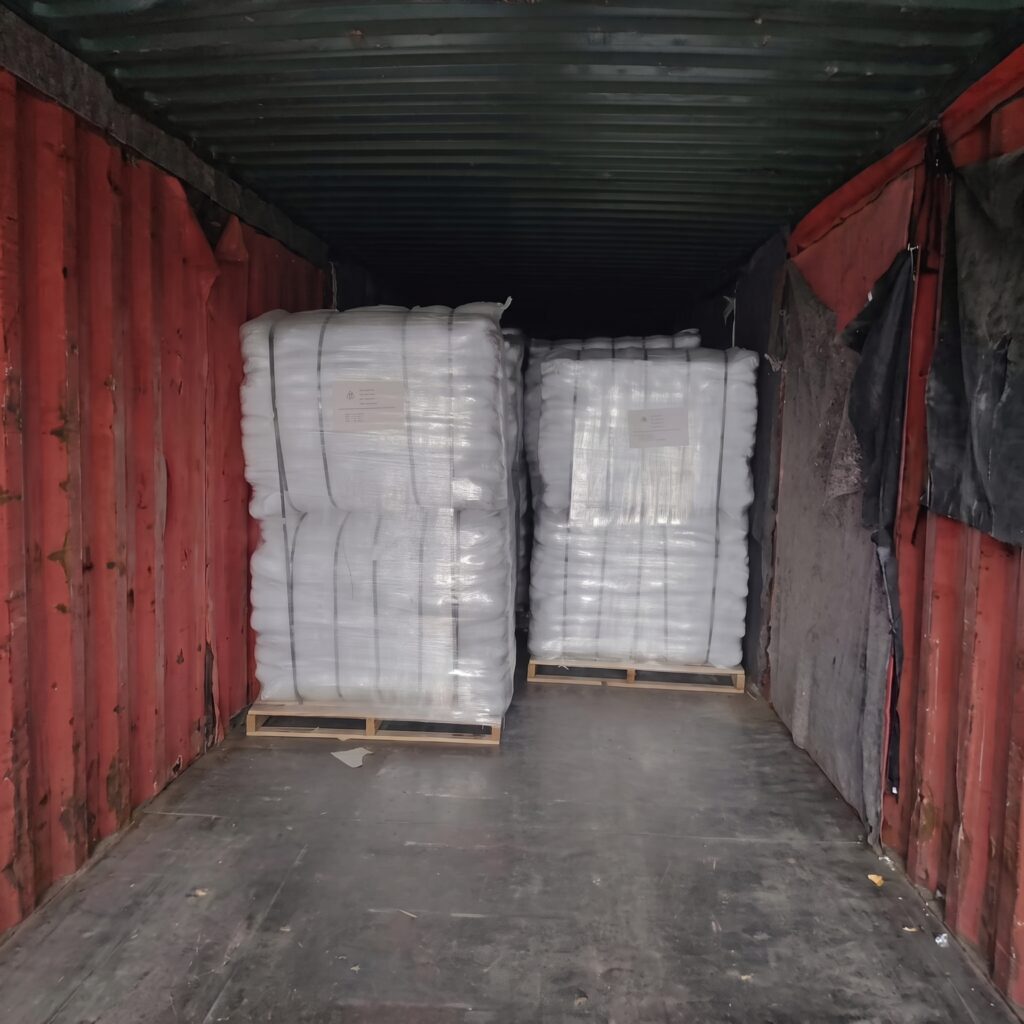
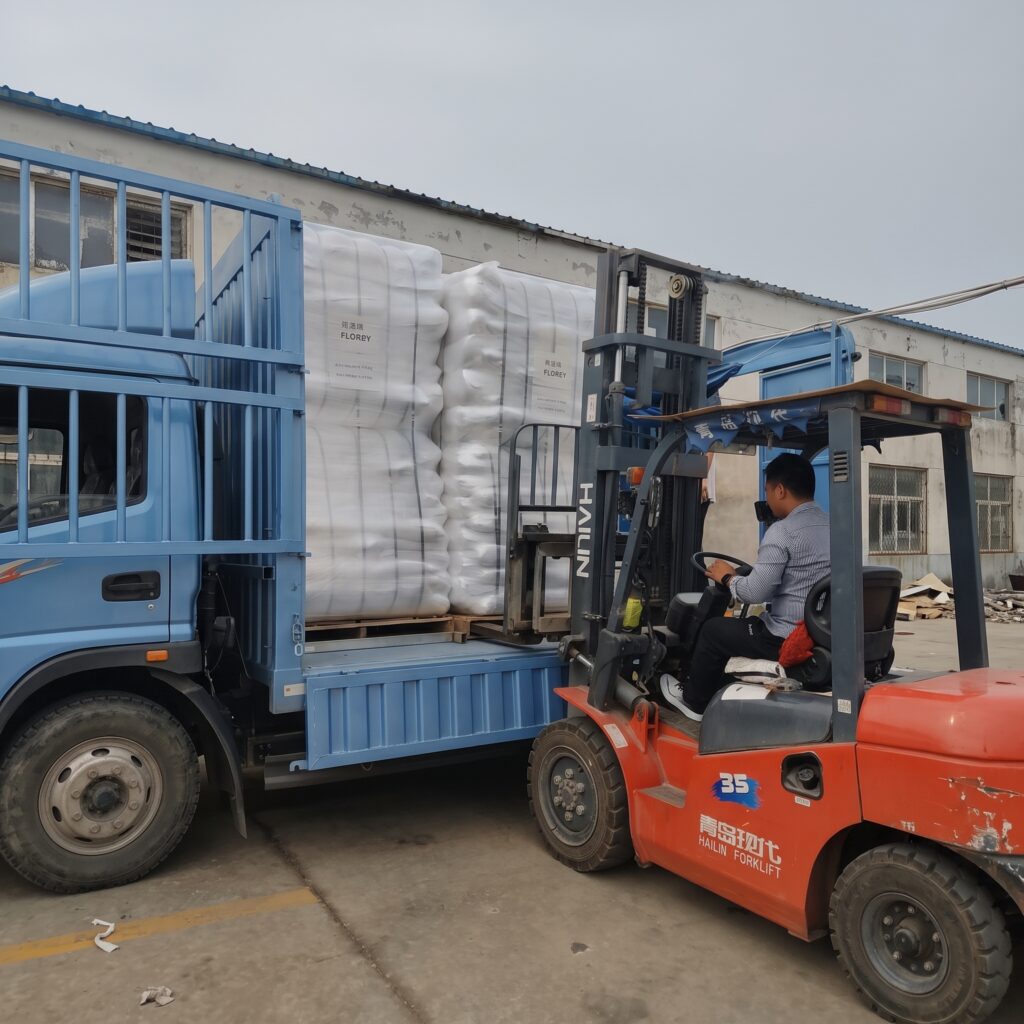
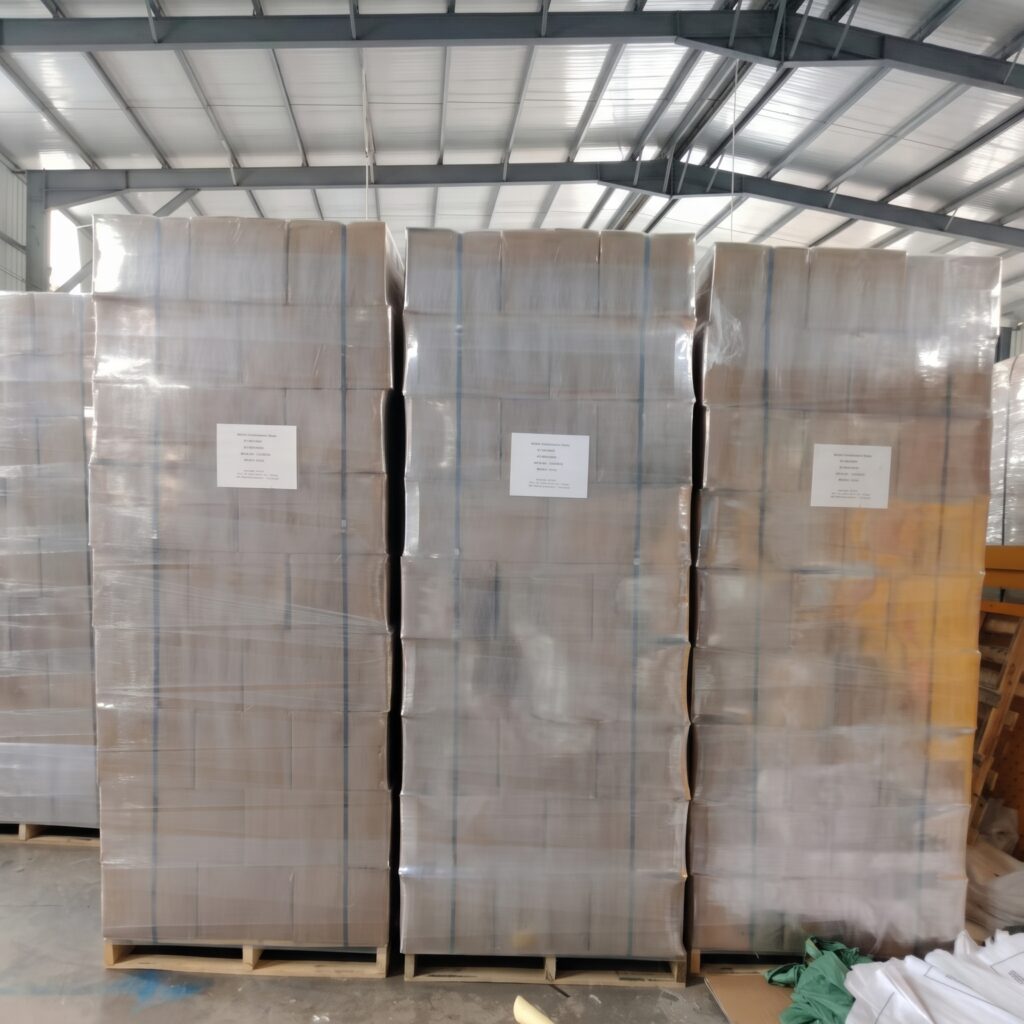
Technical guidance