

Product introduction

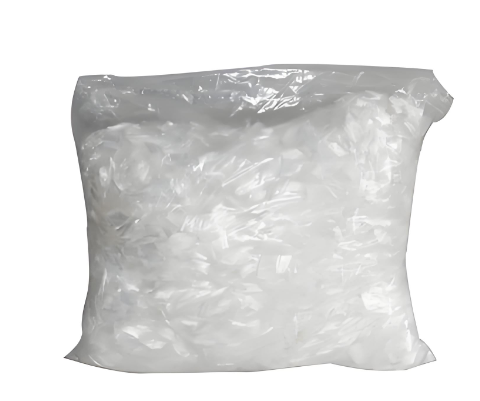
Polyester staple fibers are produced by cutting polyester filaments after cooling,drawing, and heat-setting, with lengths ranging from a few millimeters to over tenmillimeters.When added to concrete, the fibers disperse uniformly to form a supporting network,controlling plastic and drying shrinkage cracks, and enhancing impermeability,impact resistance, and structural durability. In asphalt mixtures, they create a three-dimensional network that improves rutting resistance and low-temperature crack resistance, extending pavement service life. In the building materials sector, polyester staple fibers can also reinforce waterproof membranes, geotextiles, and insulation panels, improving tensile strength, aging resistance, and impermeability, making them a high-quality modification material for engineering applications.
Technical specifications
Executive standard JT/T 534-2004 Polymer fibers for asphalt pavement
| Texture of material | Polyester | Tensile strength | ≥500Mpa |
| Fiber diameter | 10-25μm | Water absorption | Not absorbing water |
| Elongation at break | ≥15% | Acid and alkaline resistance | Strong |
| Length | 6-12mm | Heat resistance | No change in volume at 210℃ for 2 hours |
Application area
1. Concrete / mortar reinforcement: Controls plastic and drying shrinkage cracks, enhancing toughness.
2. Asphalt pavements / bridge deck surfacing: Increases toughness and crack resistance, improving rutting resistance and fatigue performance.
3. Geotextiles / geogrids: Used for embankment and slope reinforcement, providing impermeability, filtration, and aging resistance.
4. Waterproof membranes / insulation panels: Enhances impermeability, strength, and durability.
Construction suggestions
• Ordinary concrete: 0.6–1.5 kg/m³, suitable for crack control and impermeability applications.
• Standard asphalt mixture: 2.0–2.5 kg/ton, meeting conventional road requirements.
• Highway asphalt (heavy traffic): 3.0–4.0 kg/ton, enhancing rutting resistance.
• Bridge deck wearing course asphalt: 3.5 kg/ton, improving fatigue resistance and crack control.
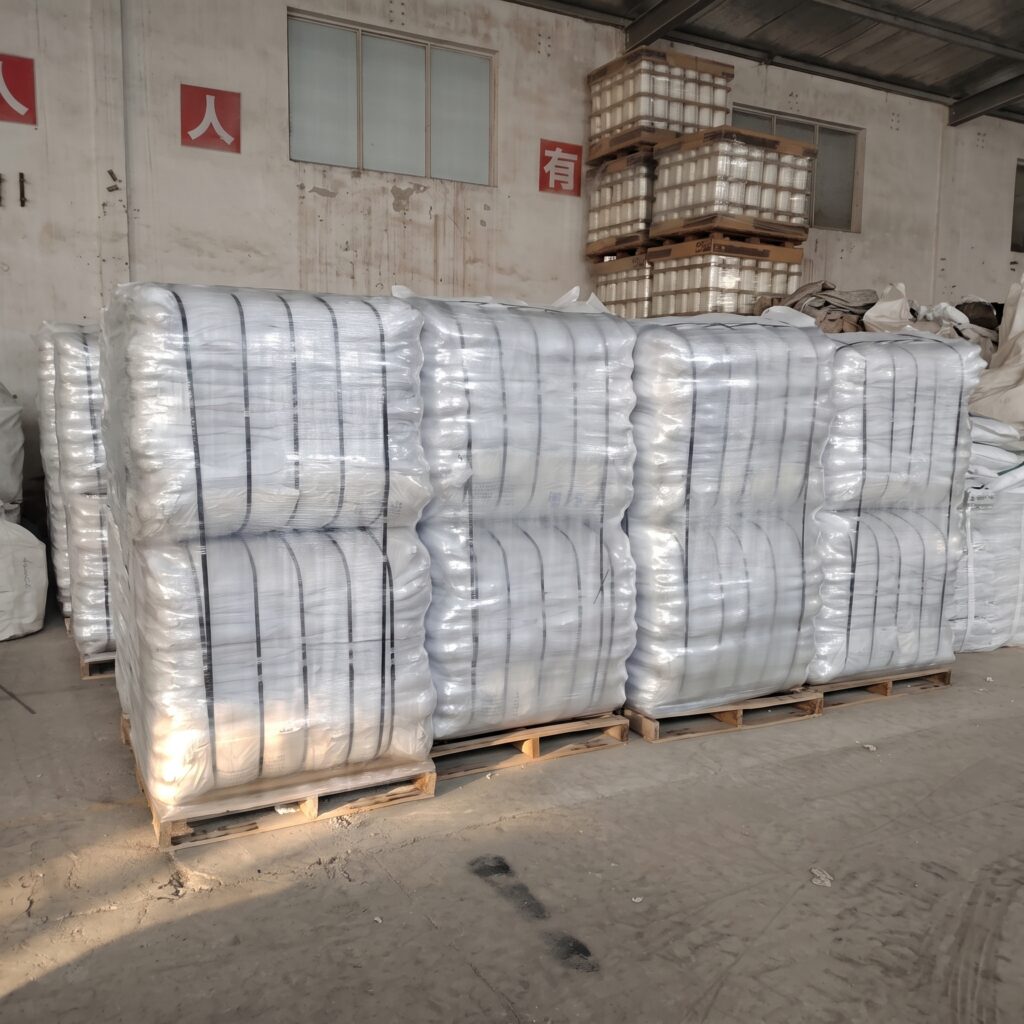
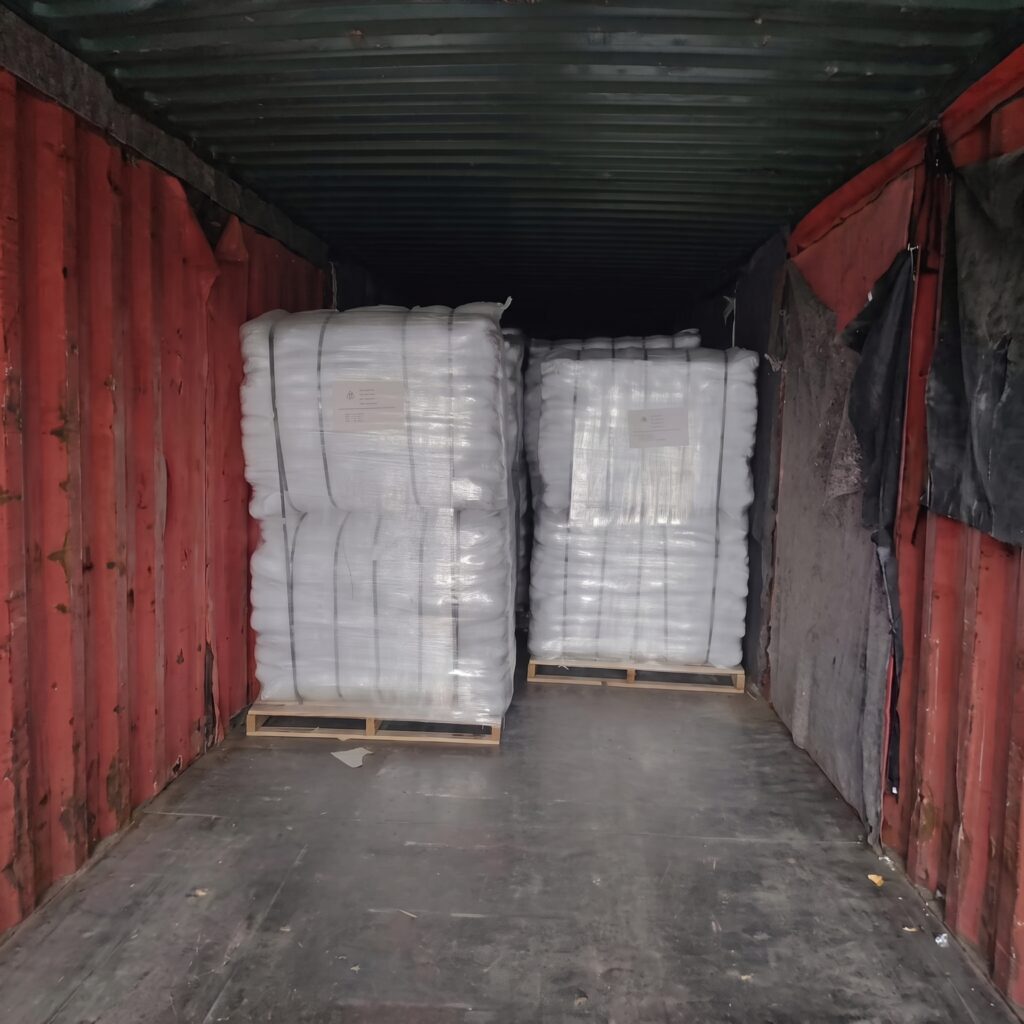
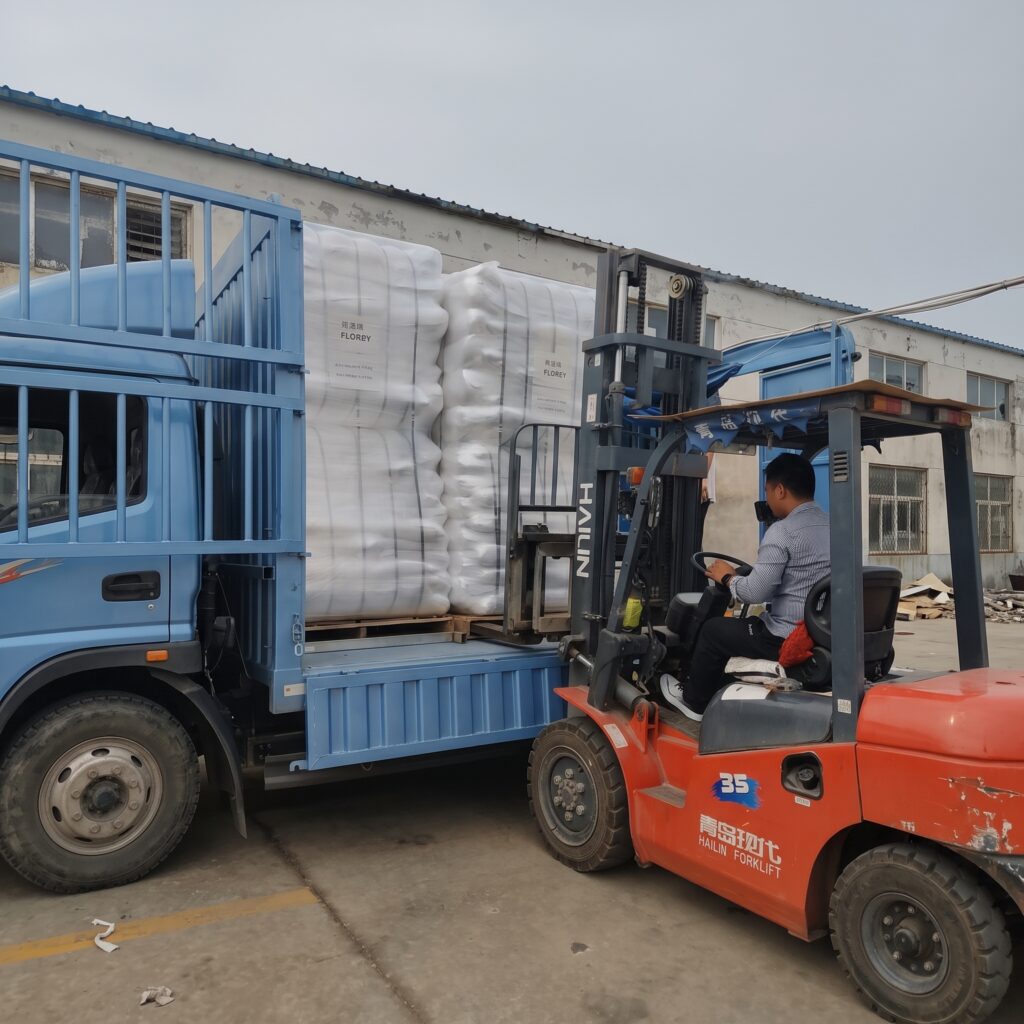
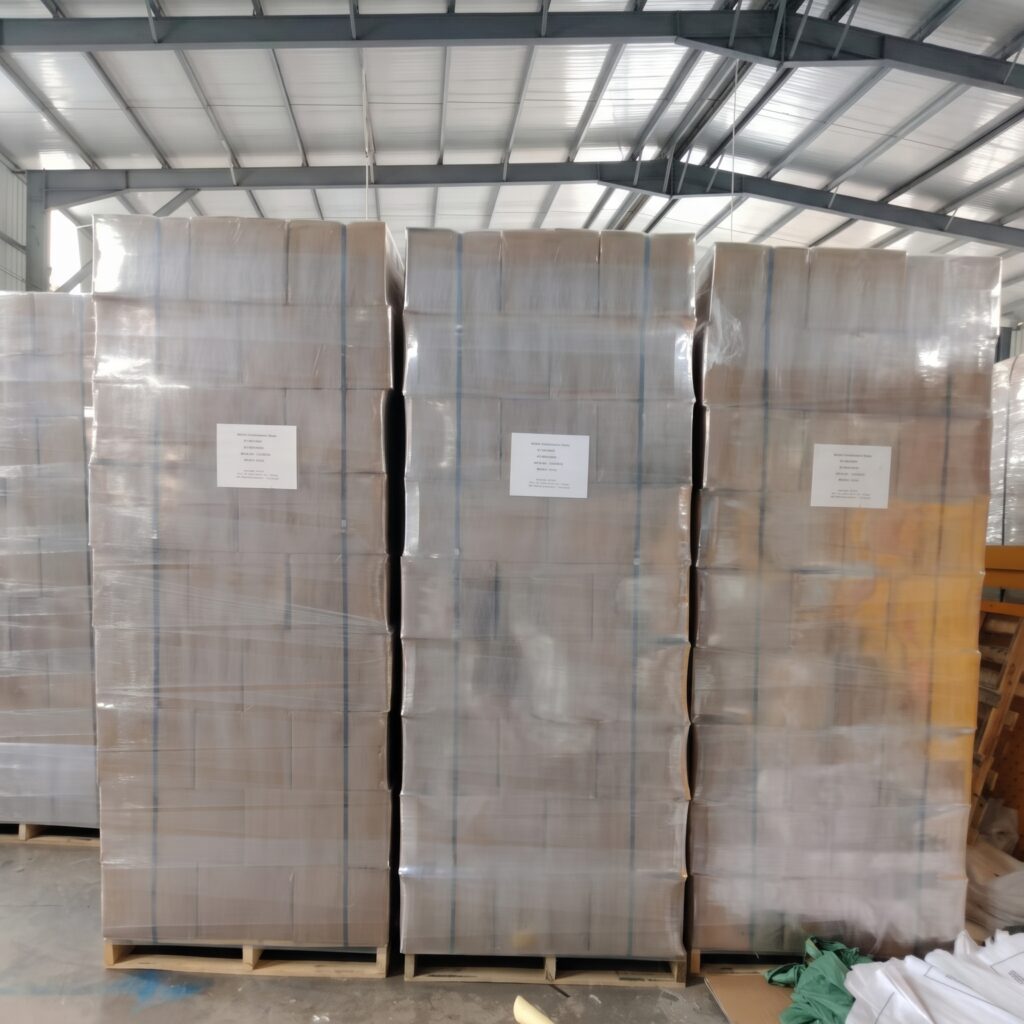
Packaging specifications
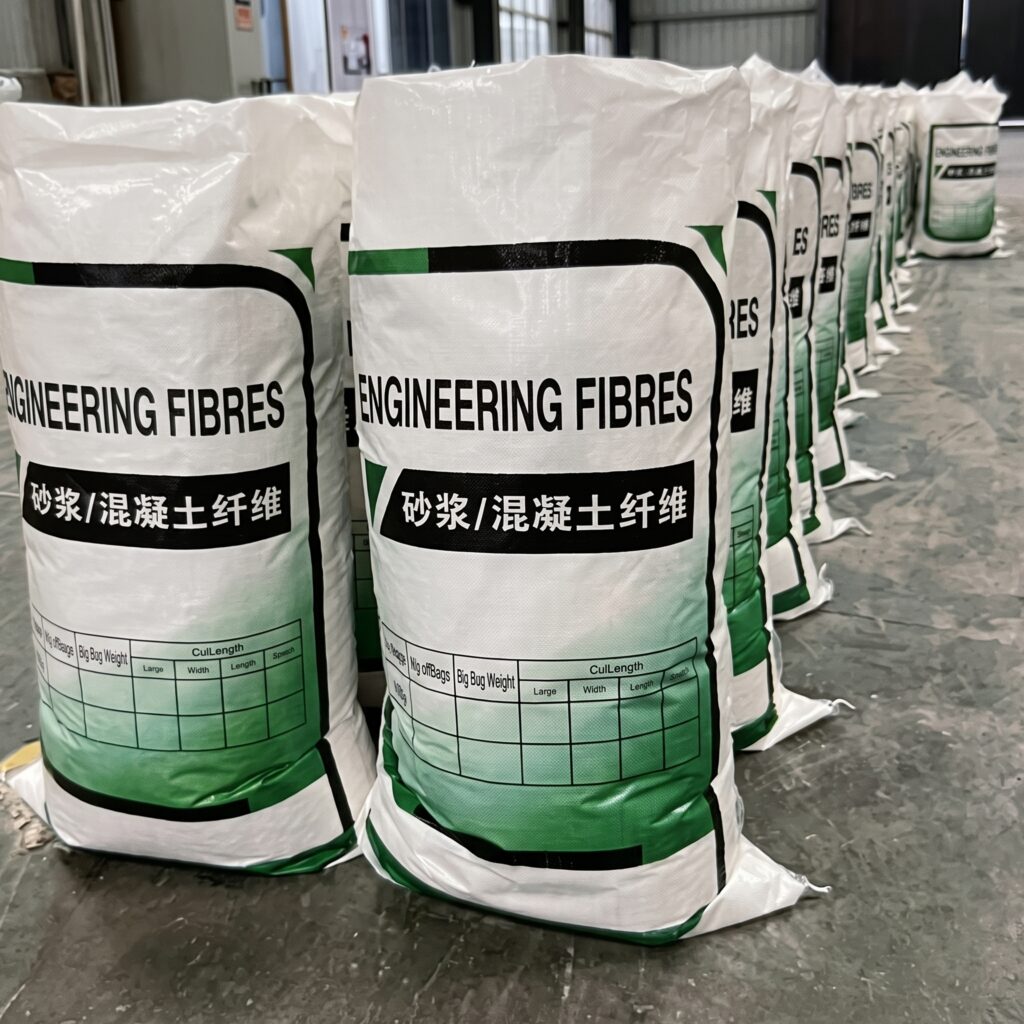
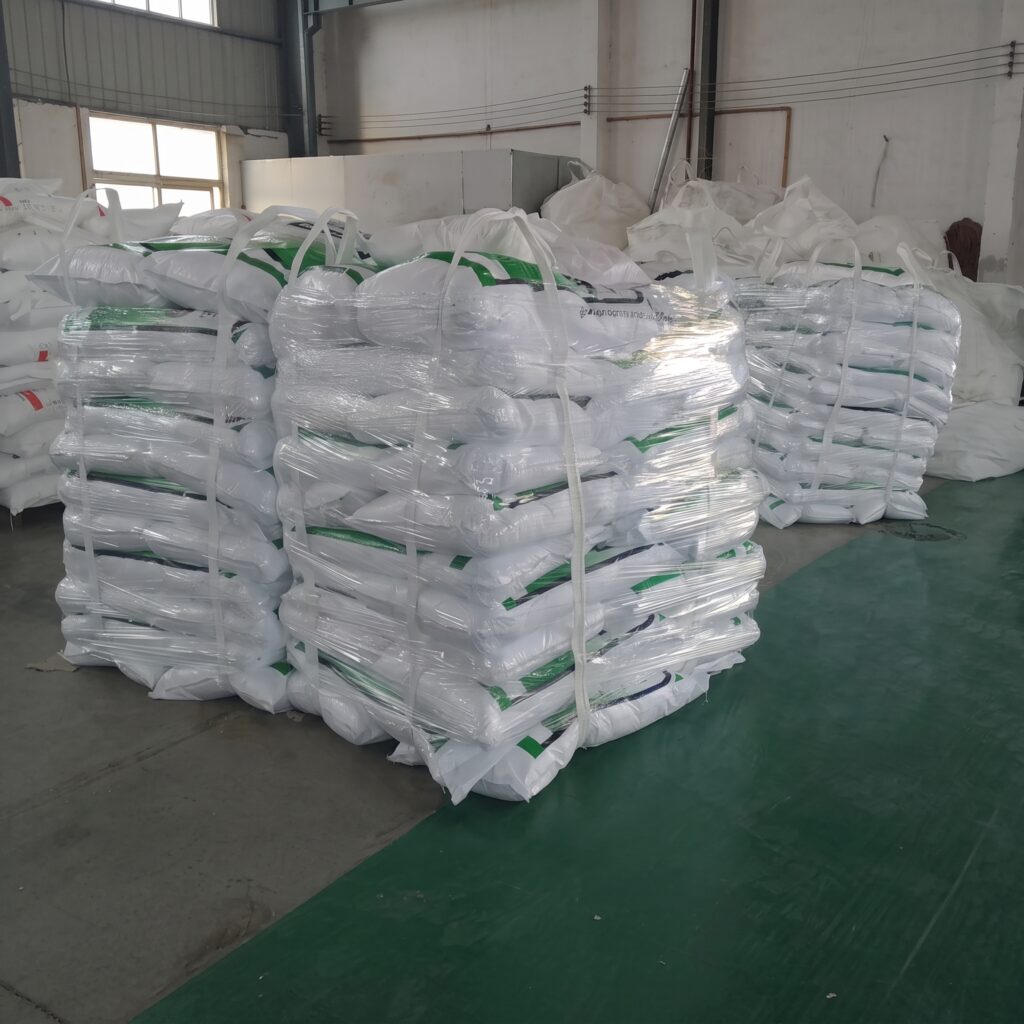
Technical guidance