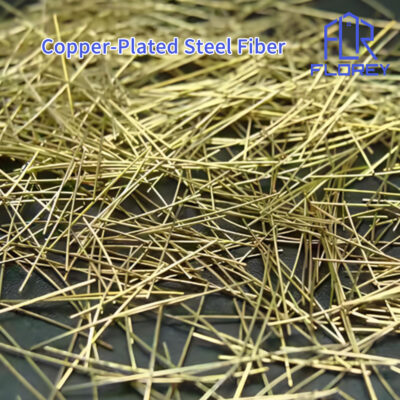

End-Hooked Collated Steel Fiber
Product introduction
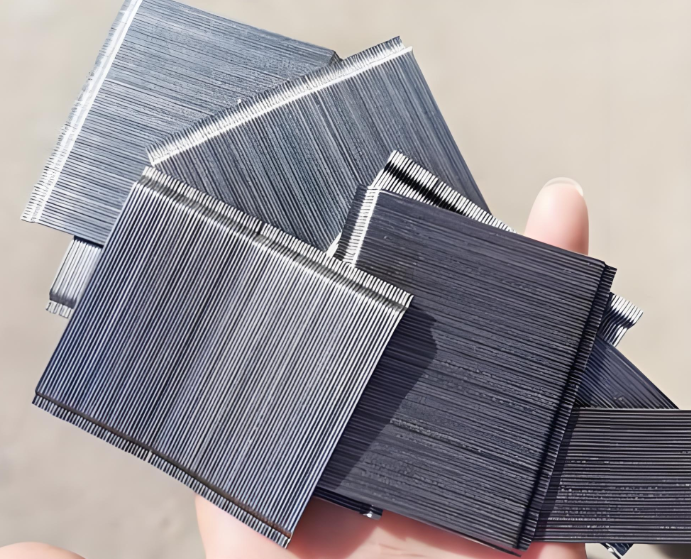
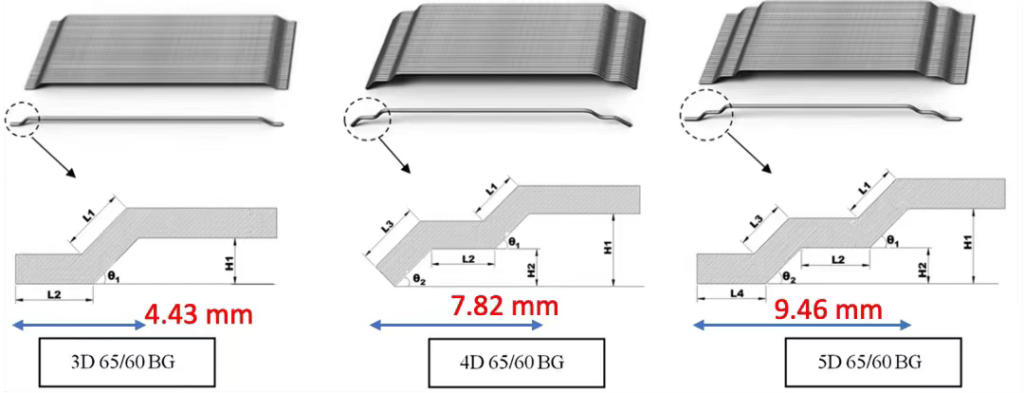
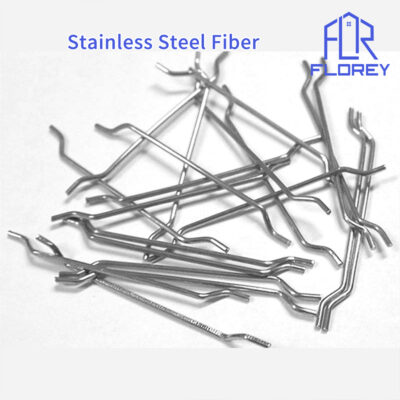
The hook shaped steel fibers at the end of the row are made of high-strength colddrawn steel wires, which are drawn into 0.5-1.0mm steel wires using the cold drawingmethod. They are bonded with imported water-soluble glue, ensuring that the fibersare fully mixed in the concrete and effectively dispersed evenly without clumping. Ithas the characteristics of high tensile strength,good resistance,and crack resistance,which can effectively ensure the quality of concrete. The actual performance of rows of steel fibers is the same as that of hooked steel fibers with the same standard steel wire end, making them easier to mix and package for transportation.
Using steel fiber reinforced concrete for flooring and pavement can replace traditionalrebar, offering superior crack resistance compared to conventional reinforced concrete.
Technical specifications
Implement the standard YB/T 151-2017 for steel fibers used in concrete
| Specification and model | Length | Diameter | Aspect ratio | Tensile strength | Bending performance |
| Row end hook type | 35-60mm | 0.5-1.0mm | 40-80 | ≥1100Mpa | Cold bending 90°, 9/10 continuously |
Application area
1. Building materials and heavy-duty floors: Concrete factory and logistics floors, enhancing wear resistance, crack control, and impact resistance.
2. Bridge engineering: Bridge deck pavements and box girder reinforcement, improving shear resistance and durability.
3. Airport runways / military shelters: Concrete main runways and protective structures, strengthening blast and fatigue resistance.
Construction suggestions
• Heavy-duty floors (C30–C40): 30–50 kg/m³; focused on wear resistance and crack control, suitable for factories and logistics warehouses.
• Bridge pavements (C40–C50): 30–50 kg/m³; Box/T-girders (C50+): 50–80 kg/m³; enhances shear resistance and load-bearing capacity.
• Airport runways / aprons (C40–C50): 40–60 kg/m³; strengthens impact and fatigue resistance.
• Military shelters (C50+ high-strength): 80–120 kg/m³; special protection up to 150 kg/m³; improves blast and penetration resistance.
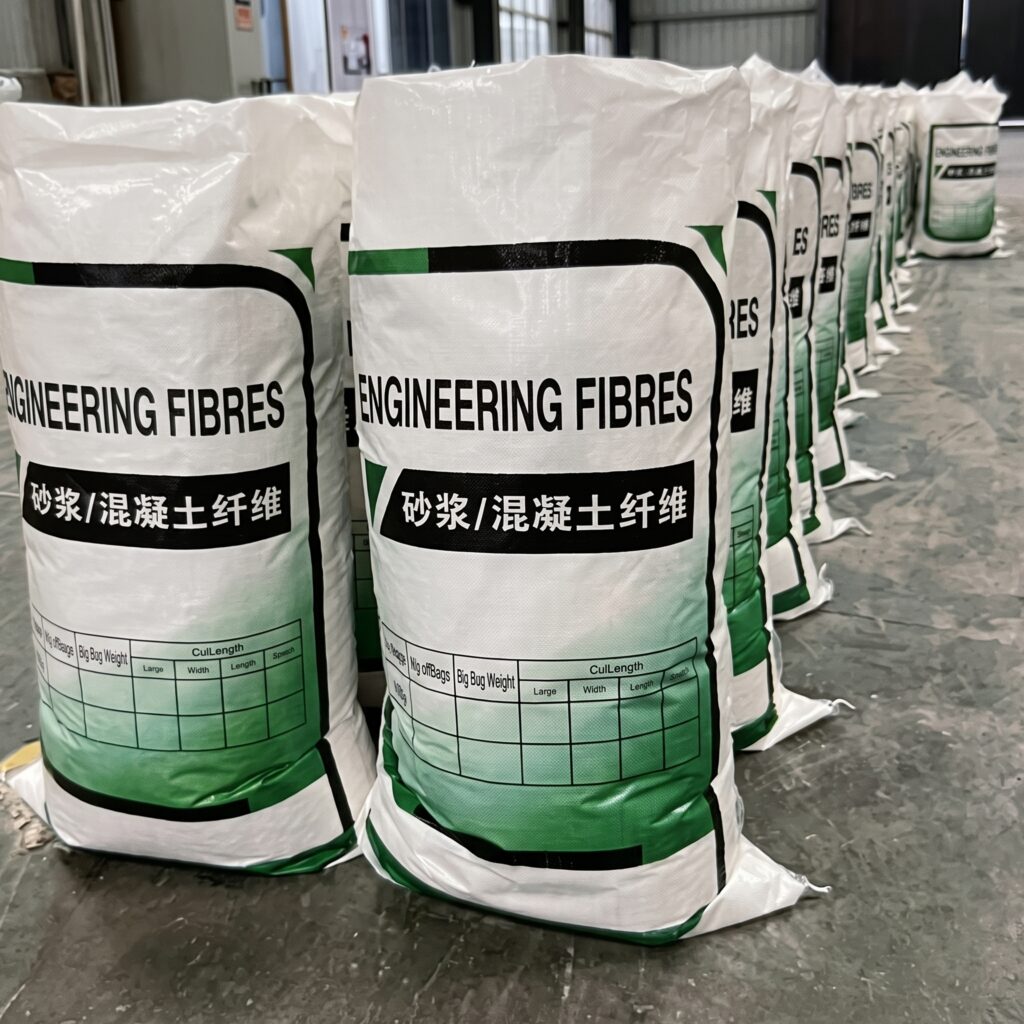
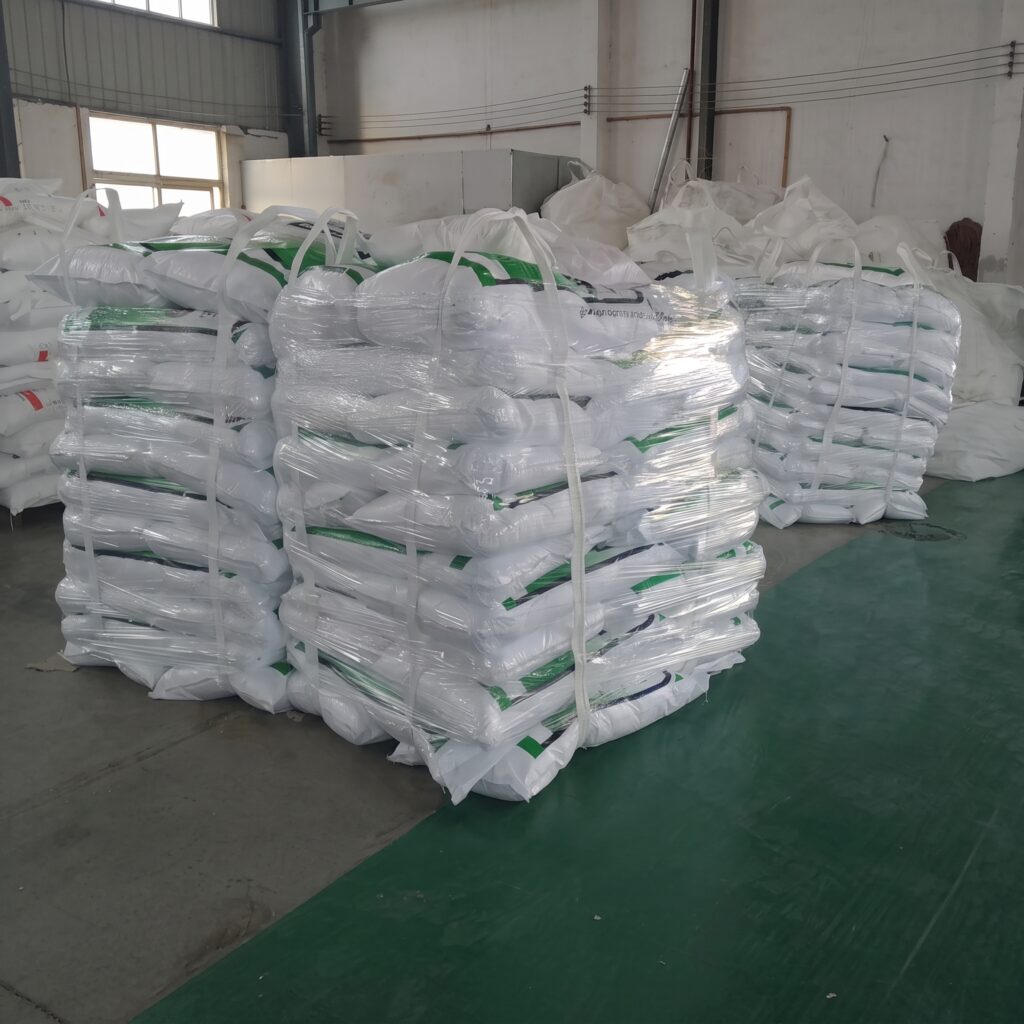
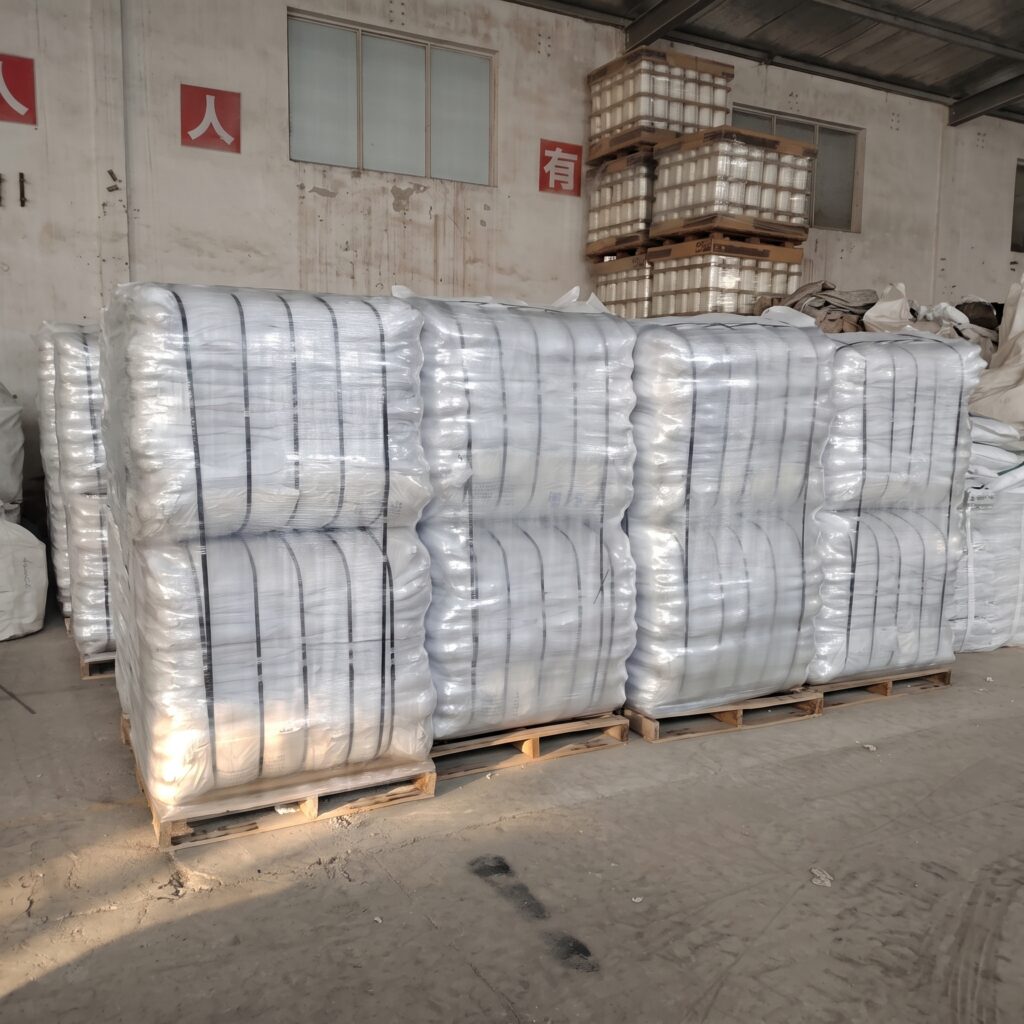
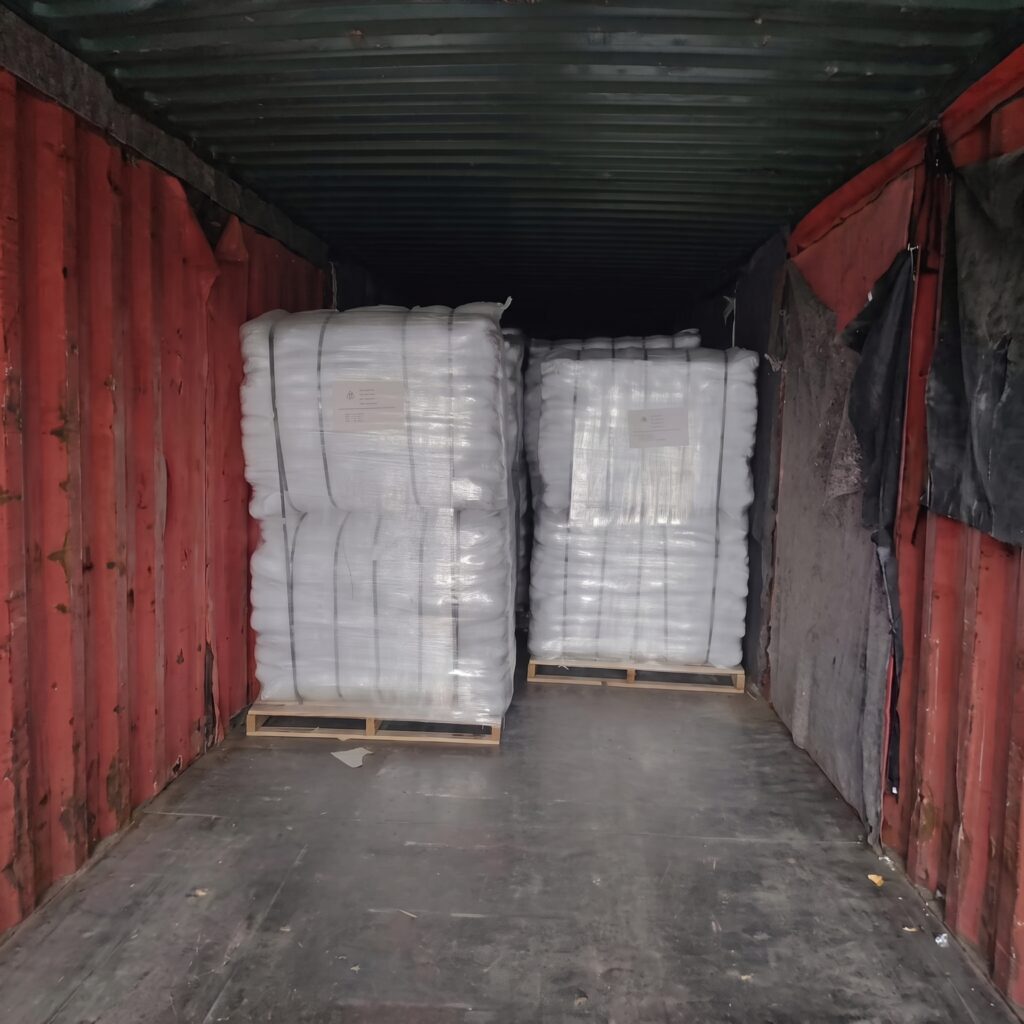
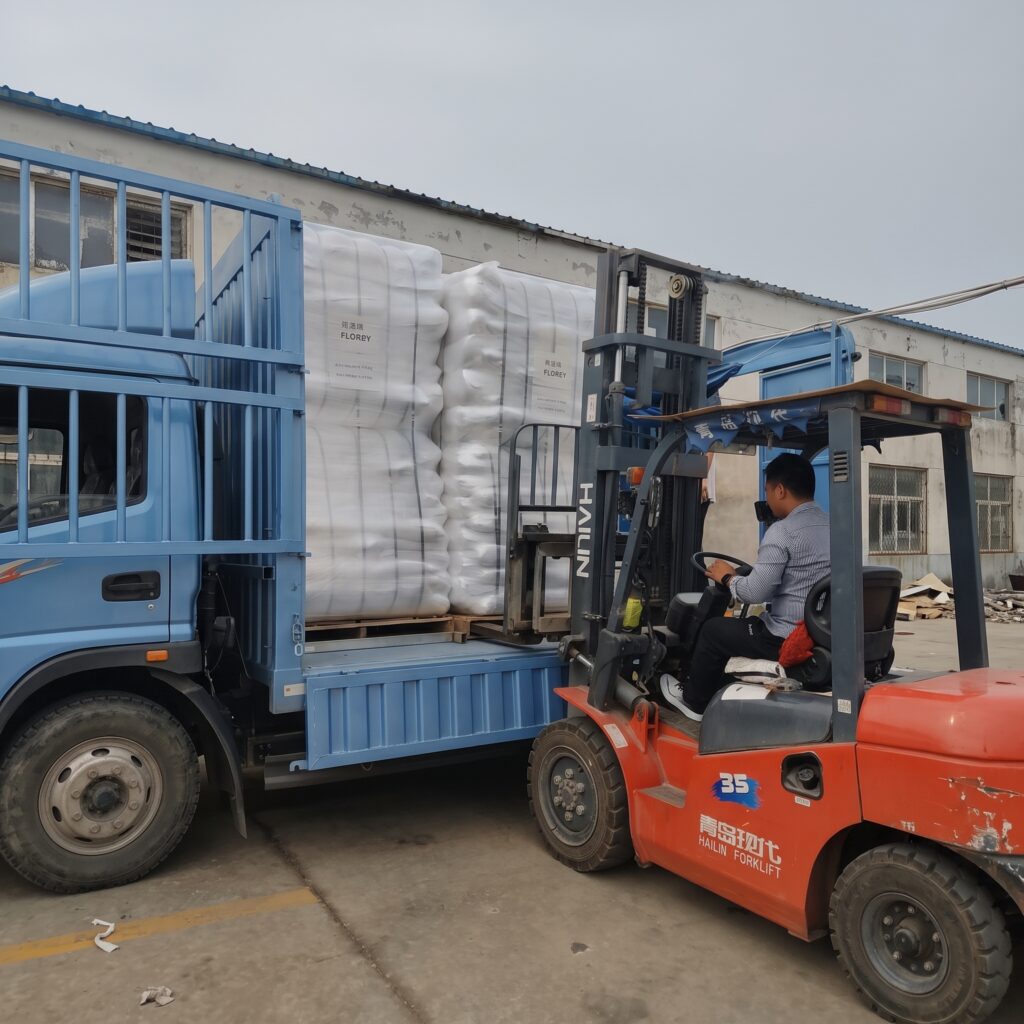
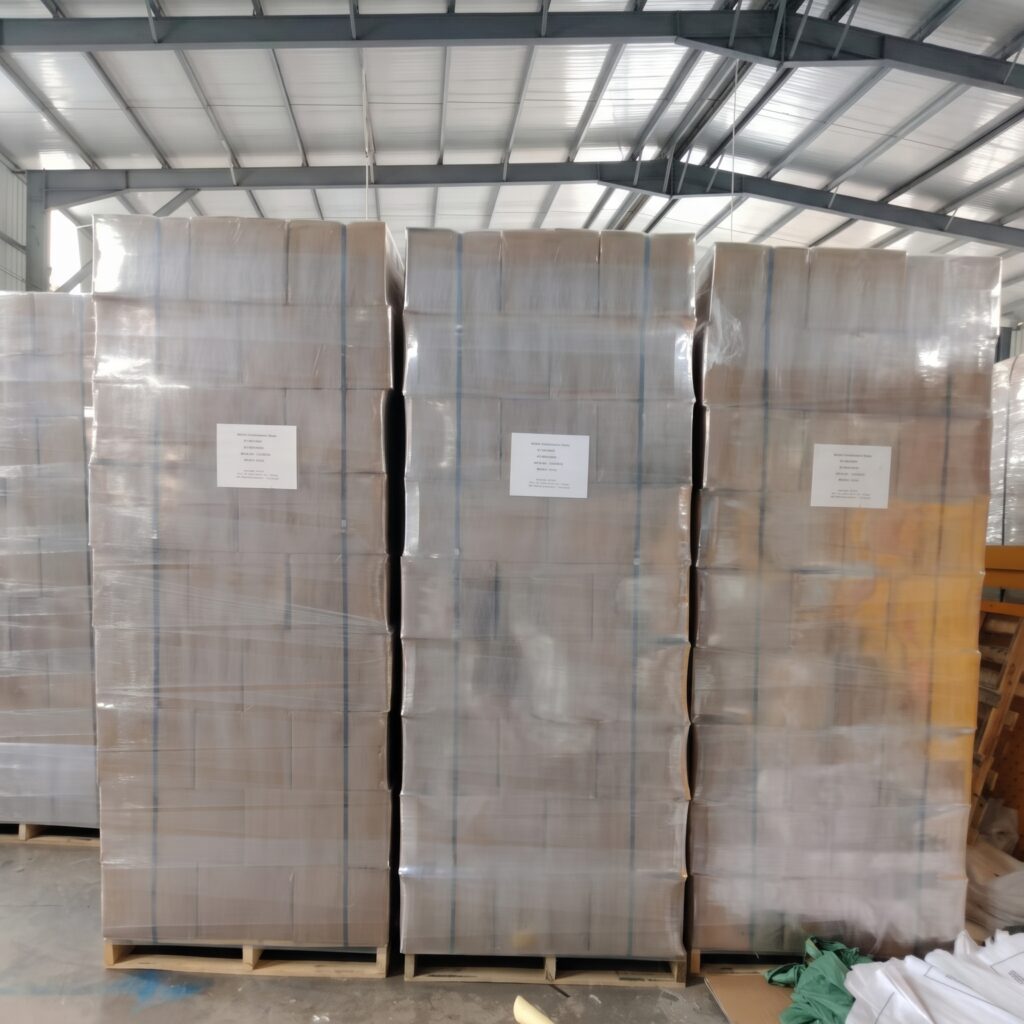
Packaging specifications
Technical guidance