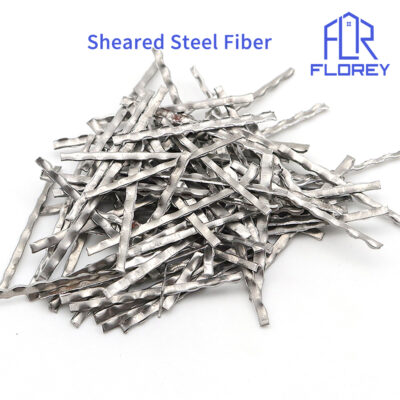

Polyacrylonitrile Fiber
Product introduction

Polyacrylonitrile fibers can significantly improve the tensile strength, fatigue strength,and flexural tensile strength of concrete, while polyacrylonitrile fibers can significantlyimprove the early crack resistance performance of concrete. Polyacrylonitrile fiberscan significantly improve adhesion, high-temperature stability, and fatigue durabilityin asphalt. Moreover, polyacrylonitrile fibers can effectively prevent the occurrenceof low-temperature cracking and reflection cracks, effectively improving tensile, shear, compressive, and impact strength. Polyacrylonitrile fibers are widely distributed in mortar, cement concrete, and asphalt concrete due to their excellent dispersibility and three-dimensional random distribution. They have outstanding tensile strength, melting and ignition points, and high comprehensive performance.
Technical specifications
Executive standard TB/T2965-2018 Railway bridge concrete deck waterproof layer
| Texture of material | Polyacrylonitrile | Security | Non-toxic |
| Fiber diameter | 10-15μm | Elastic modulus | ≥7.0Gpa |
| Density | 1.18kg/m³ | Elongation at break | ≥20% |
| Length | 6-12mm | Acid and alkaline resistance | Retention rate of 99% |
| Tensile strength | ≥500Mpa | Dispersibility | Uniformly dispersed without merging or clumping |
| Melting point | 240℃ | Water absorption | Not absorbing water |
Application area
1. Cement mortar / concrete works: Incorporated into plaster mortars and concrete to control drying shrinkage cracks and improve crack resistance and durability.
2. Asphalt pavement engineering: Used in asphalt concrete layers to enhance rutting resistance, fatigue performance, and low-temperature crack resistance.
3. Specialty building materials: Manufactured into fireproof boards and insulation materials to improve strength, fire resistance, and aging durability.
Construction suggestions
Recommended Dosage in Concrete:
• Ordinary concrete (C30–C40): 0.6–0.9 kg/m³, meeting basic crack control and impermeability requirements.
• Plaster / masonry mortar: 0.9–1.2 kg/m³, controlling drying shrinkage cracks and improving adhesion.
• ECC cement-based composites: 1.8–2.2 kg/m³, enhancing flexural toughness and crack resistance.
• UHPC (ultra-high performance concrete): 2.0–2.5 kg/m³, suitable for ultra-high strength and high-durability applications.
Recommended Dosage in Asphalt Concrete:
• Ordinary highway asphalt pavement: 3.6–4.8 kg/m³ (equivalent to 1.5–2 kg/ton of mixture), suitable for low to medium traffic volumes.
• High-grade highway asphalt pavement: 4.8–7.2 kg/m³ (equivalent to 2–3 kg/ton of mixture), suitable for high-traffic areas requiring rutting resistance.
• Bridge deck wearing course: 8.16–8.4 kg/m³ (equivalent to 3.4–3.5 kg/ton of mixture), suitable for high crack resistance and wear-resistant applications.
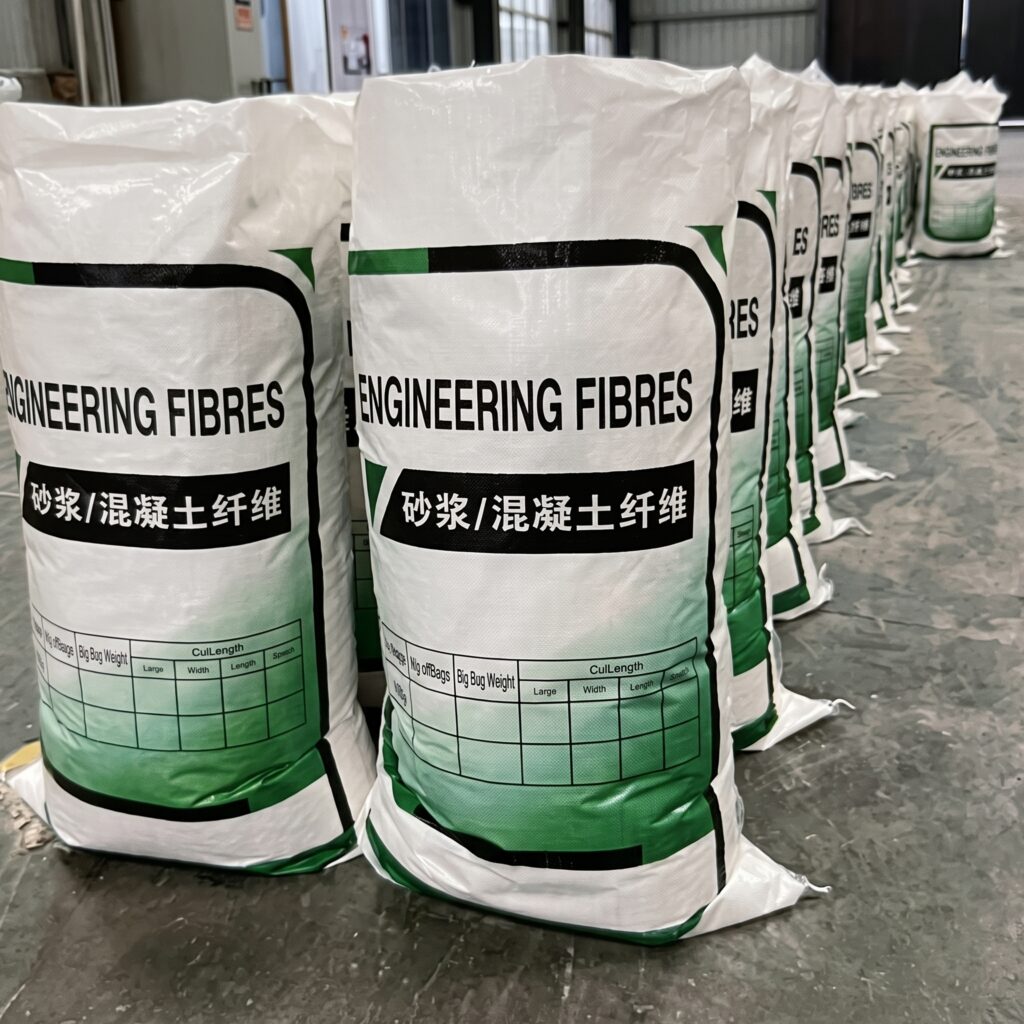
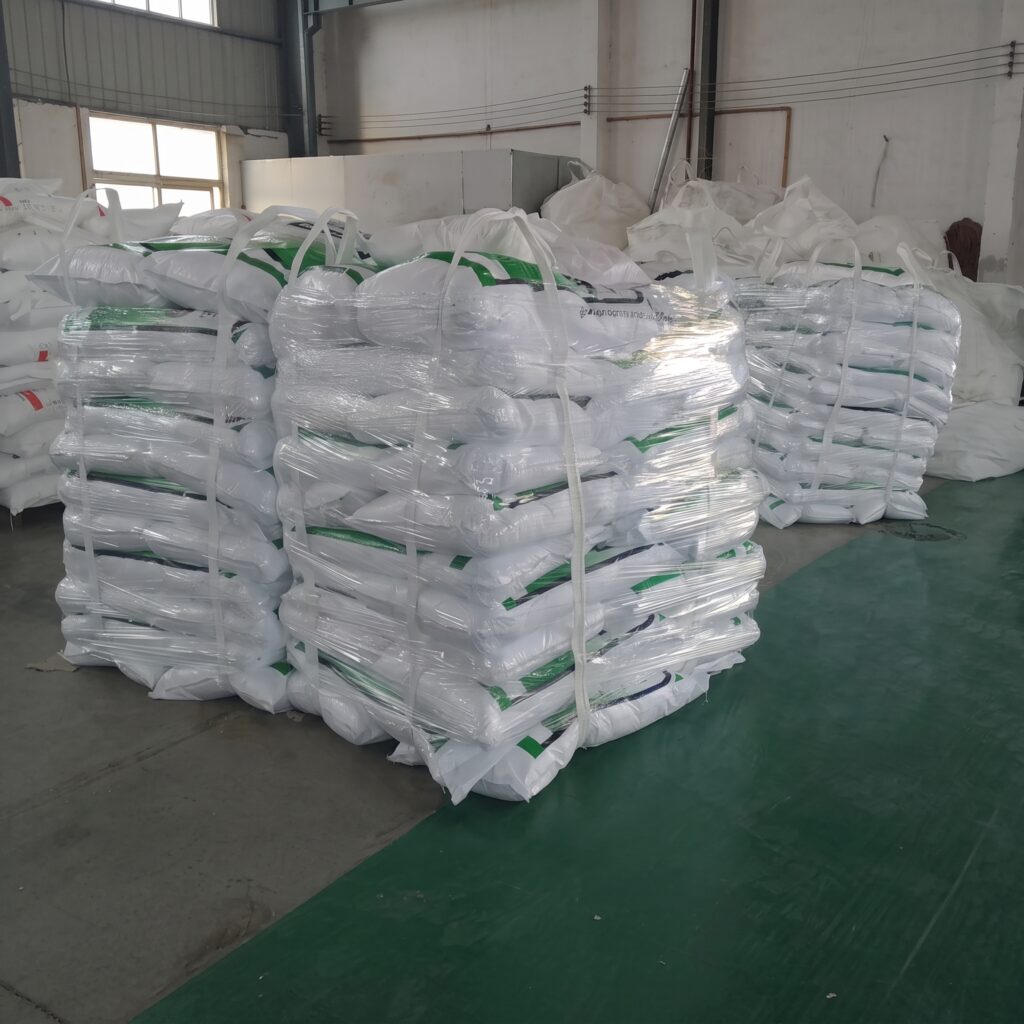
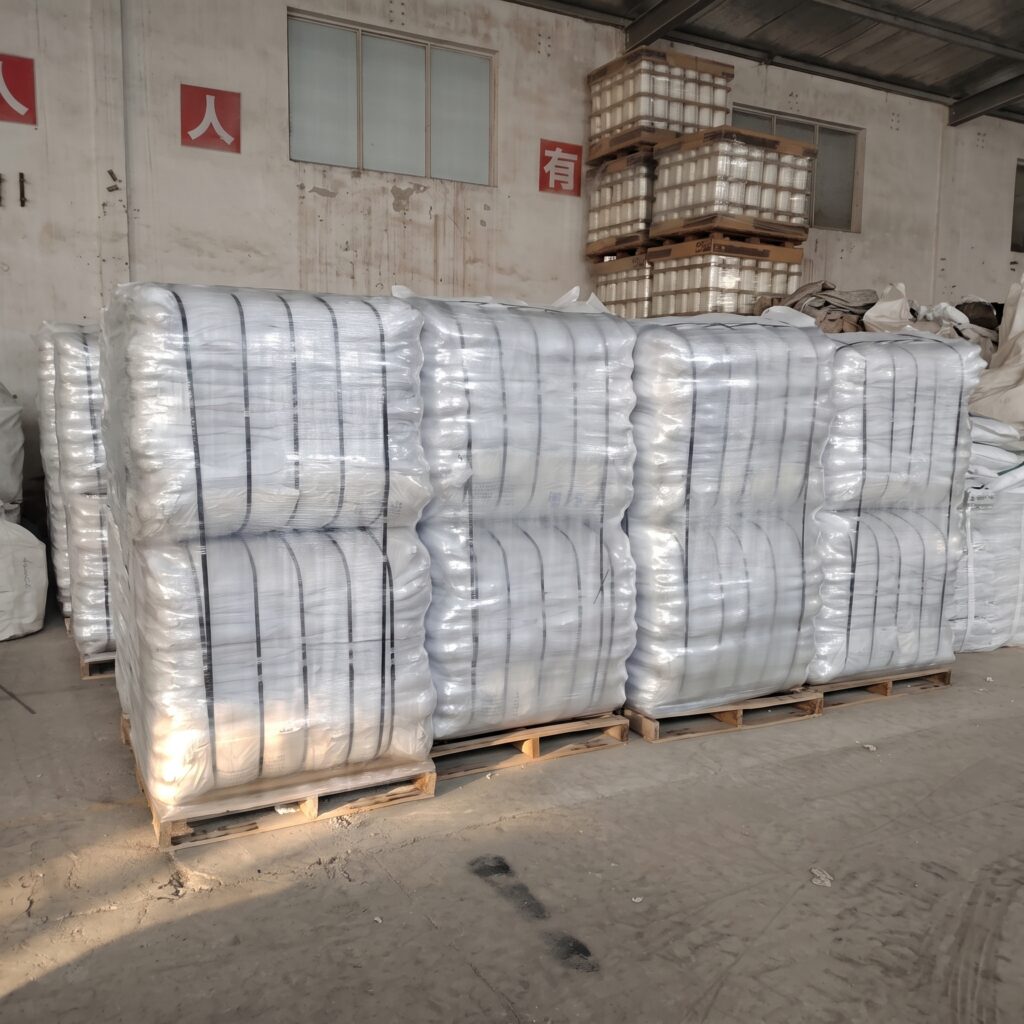
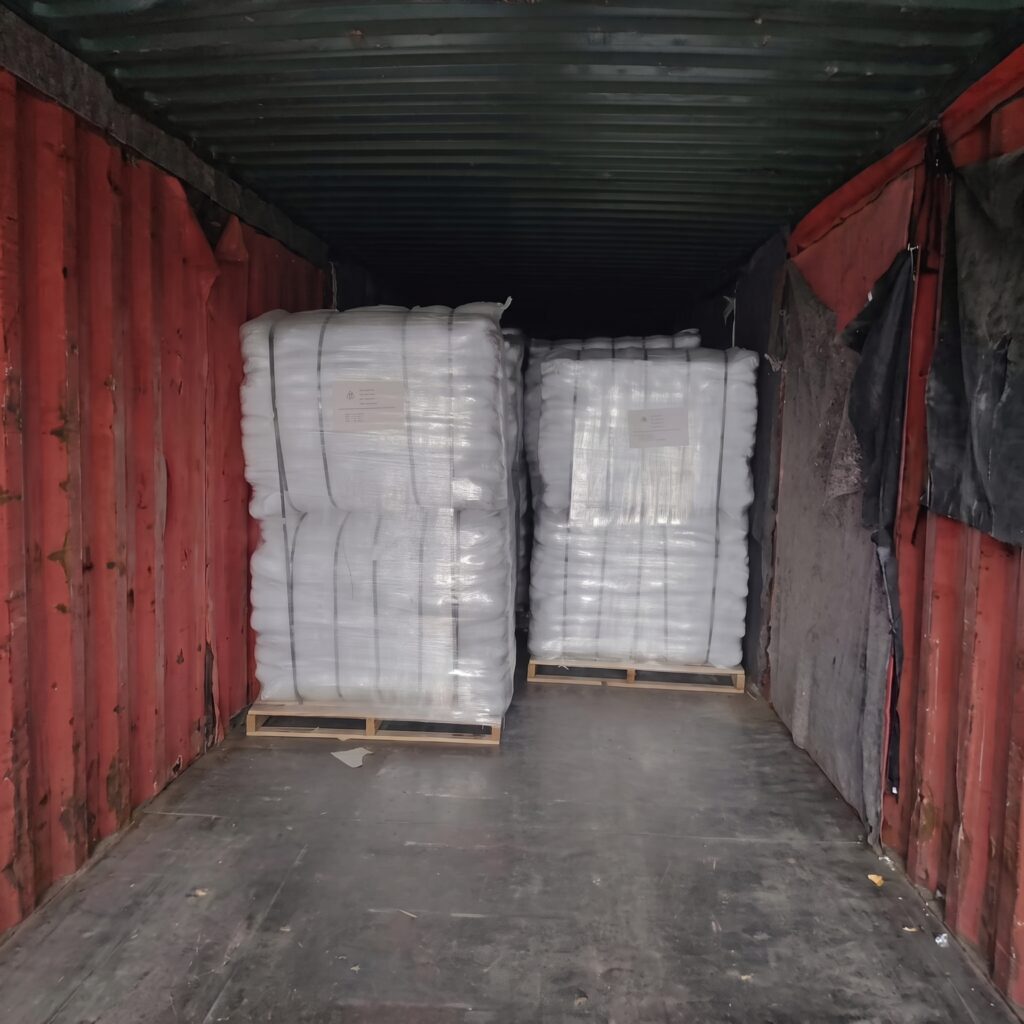
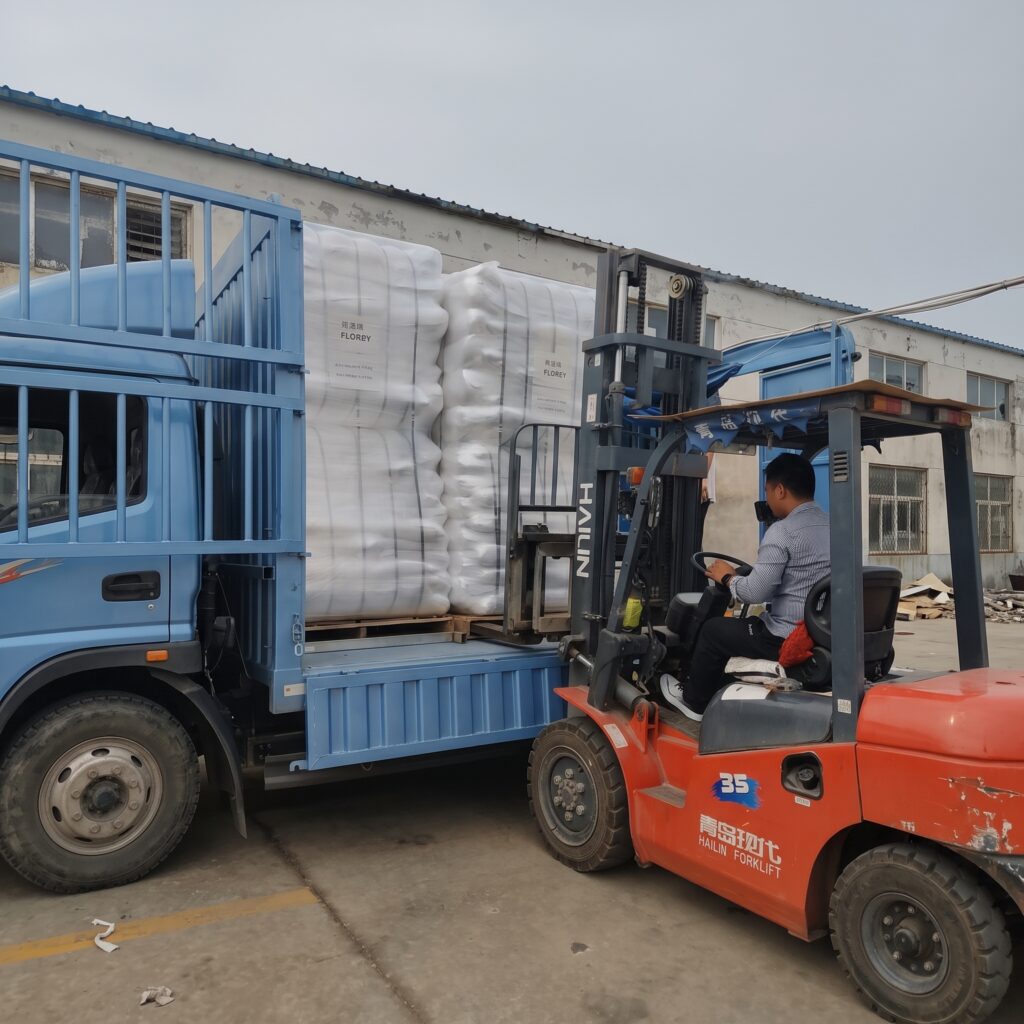
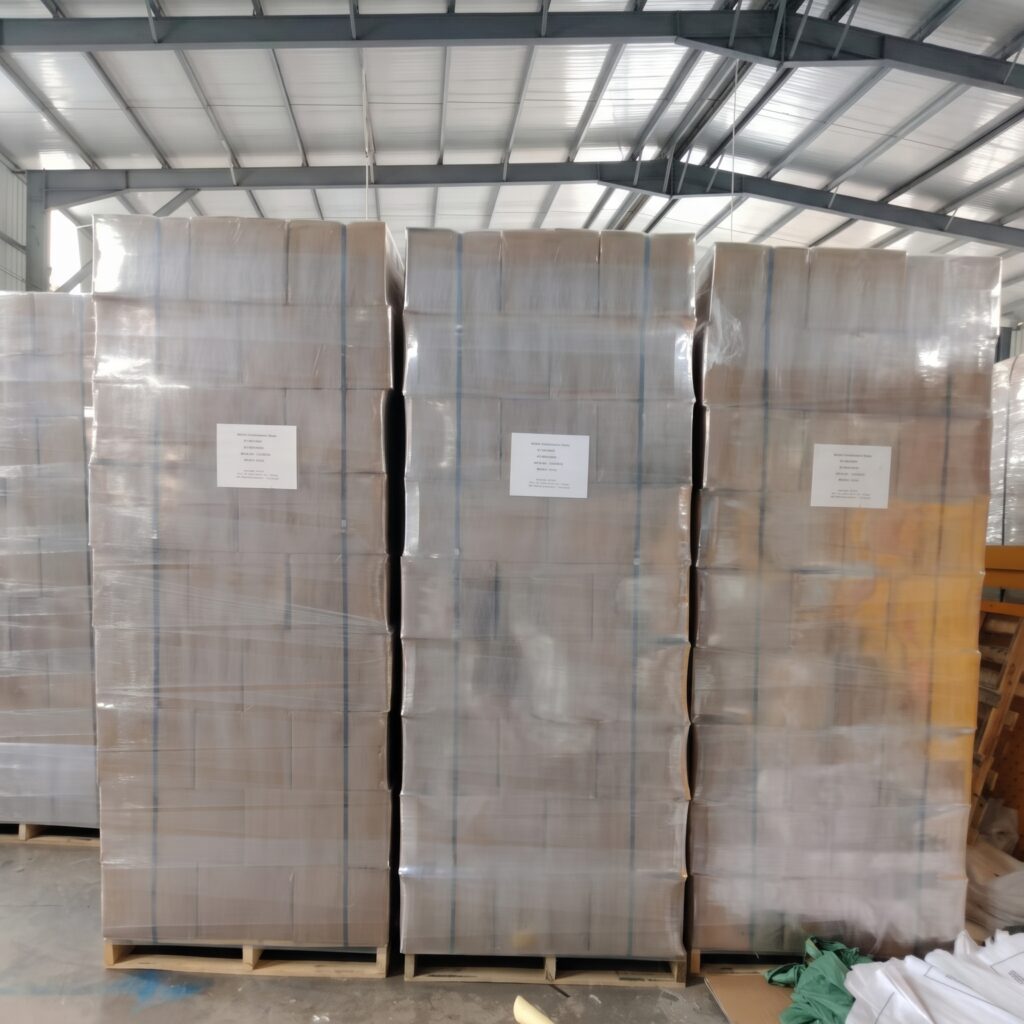
Packaging specifications
Technical guidance