
Product introduction
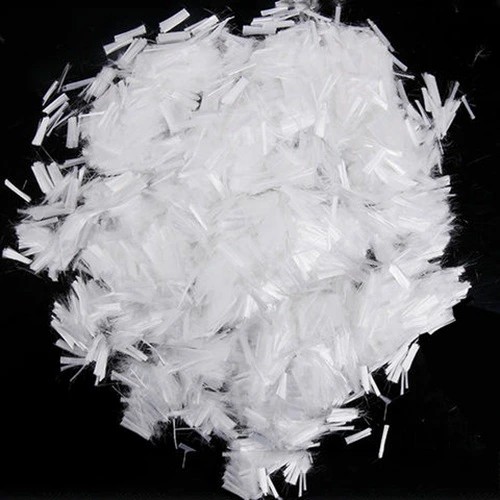
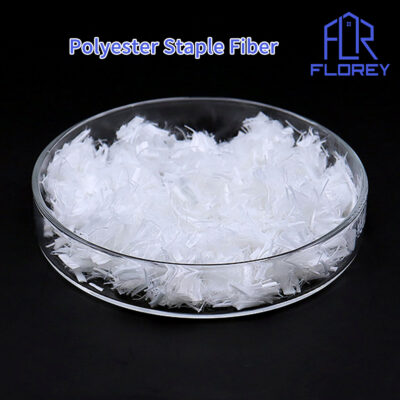
Polypropylene fibers, also known as polypropylene short fibers, concrete crackresistant fibers, PP crack resistant fibers, Dura fibers, and synthetic fibers. Polypropylene fibers can effectively improve the crack resistance, impermeability, impact wear resistance, frost resistance, blast resistance, and workability of mortar/concrete, preventing shrinkage cracks in mortar/concrete; Improve the denaturation and toughness of concrete. Tens of millions of fibers are evenly distributed in mortar/concrete, playing a good role in micro reinforcement, which maintains the integrity of the structure, avoids scattering into many fragments when the structure is damaged by impact, prevents corrosion of steel bars in the structure, greatly extends the service life of the project, and reduces maintenance costs.
Technical specifications
Executive standard GB/T21120-2018 Synthetic fibers for cement concrete and mortar
| Texture of material | Polypropylene | Fiber type | Monofilamentous |
| Density | 0.91g/cm³ | Tensile strength | ≥450Mpa |
| Fiber diameter | 18-48µm | Elastic modulus | ≥3.5Gpa |
| Melting point | 165℃ | Water absorption | Not absorbing water |
| Security | Non toxic materials | Elongation at break | <30% |
| Length | 3.6.9.12.19mm | Alkali resistance performance | Ultimate tensile retention rate greater than or equal to 98% |
Application area
1. Cement mortar interior (exterior) wall plastering, aerated concrete plastering, indoor decorative putty, and insulation mortar.
2. Anti explosion, fire-resistant engineering, civil defense and military engineering, oil platforms, chimneys, refractory materials, etc.
3. Shotcrete tunnels, culvert linings, thin-walled structures, slope reinforcement, etc.
4. Concrete rigid self waterproofing structure: basement bottom plate, side walls, top plate, roof cast-in-place floor slab, reservoir, etc. Cracking resistance, impact resistance, wear resistance, high demand engineering, hydraulic engineering, subway, airport runway, port terminal, overpass elevated bridge deck, piers, ultra long structures, etc.
Construction suggestions
• General crack control (slabs, floors, walls): 0.6–0.9 kg/m³, commonly 0.9 kg/m³, used to suppress early-age plastic shrinkage cracking.
• Medium to high crack resistance / impermeability (basements, water tanks, pavements): 1.0–1.2 kg/m³, balancing crack control and workability.
• High impact resistance / abrasion resistance (airport runways, hydraulic spillways): 1.5–1.8 kg/m³; high-strength grades can reach up to 2.0 kg/m³.
• Shotcrete / special ECC applications: 2.0–4.0 kg/m³; requires compatible admixtures and proper mixing procedures to prevent fiber balling.
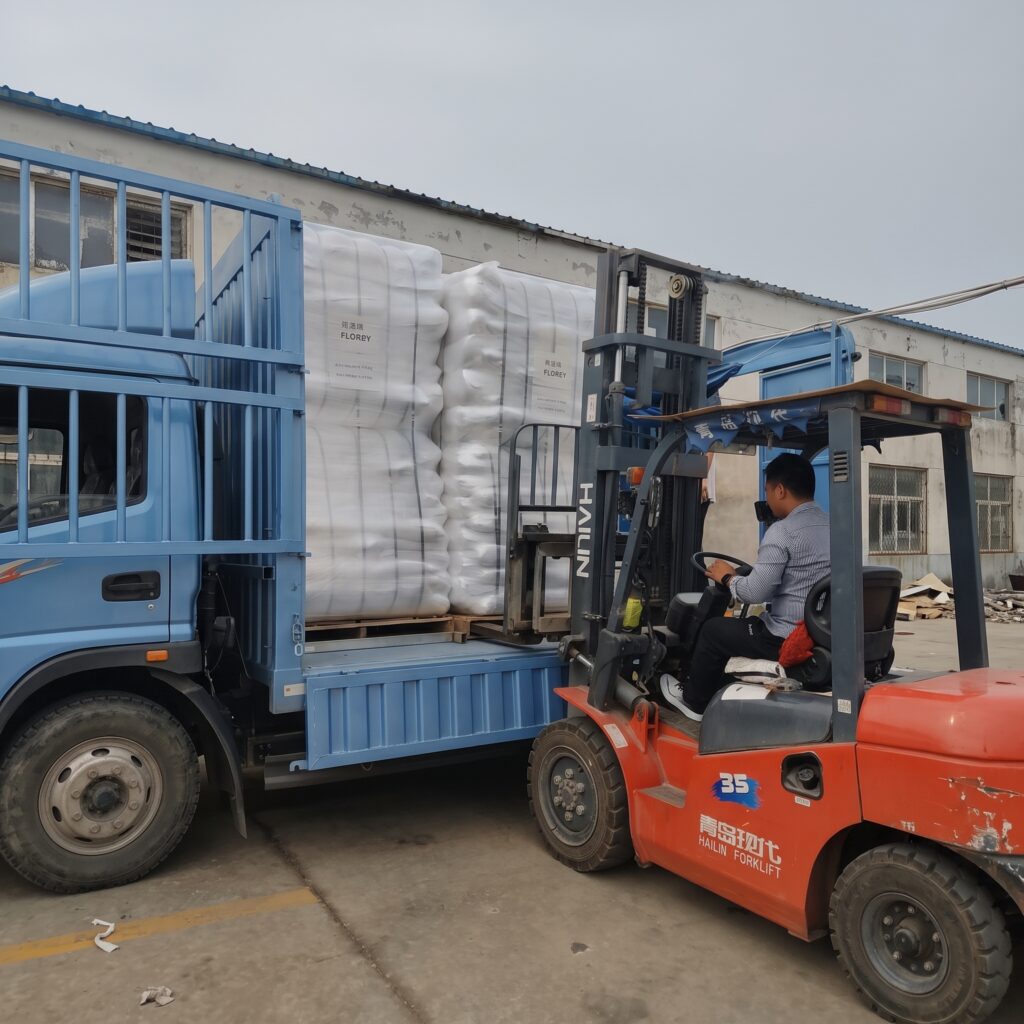
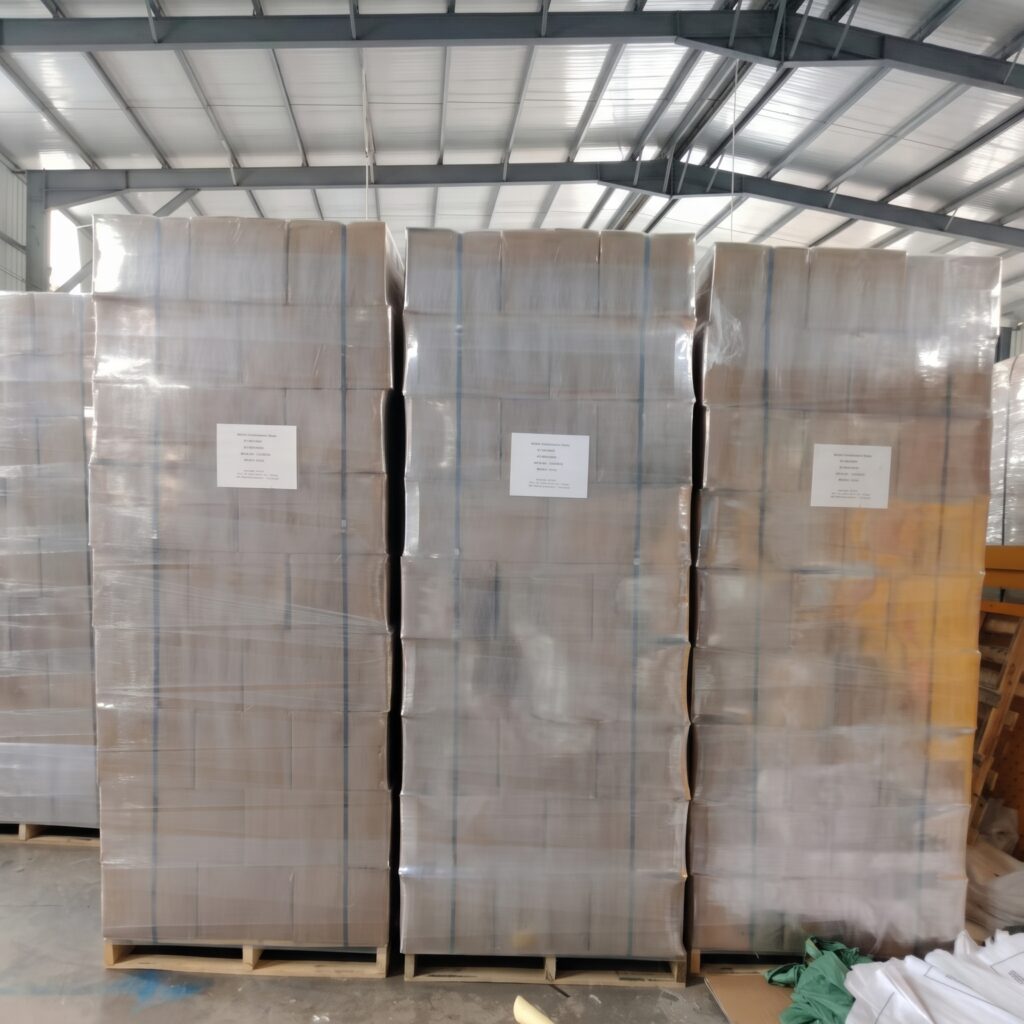
Packaging specifications
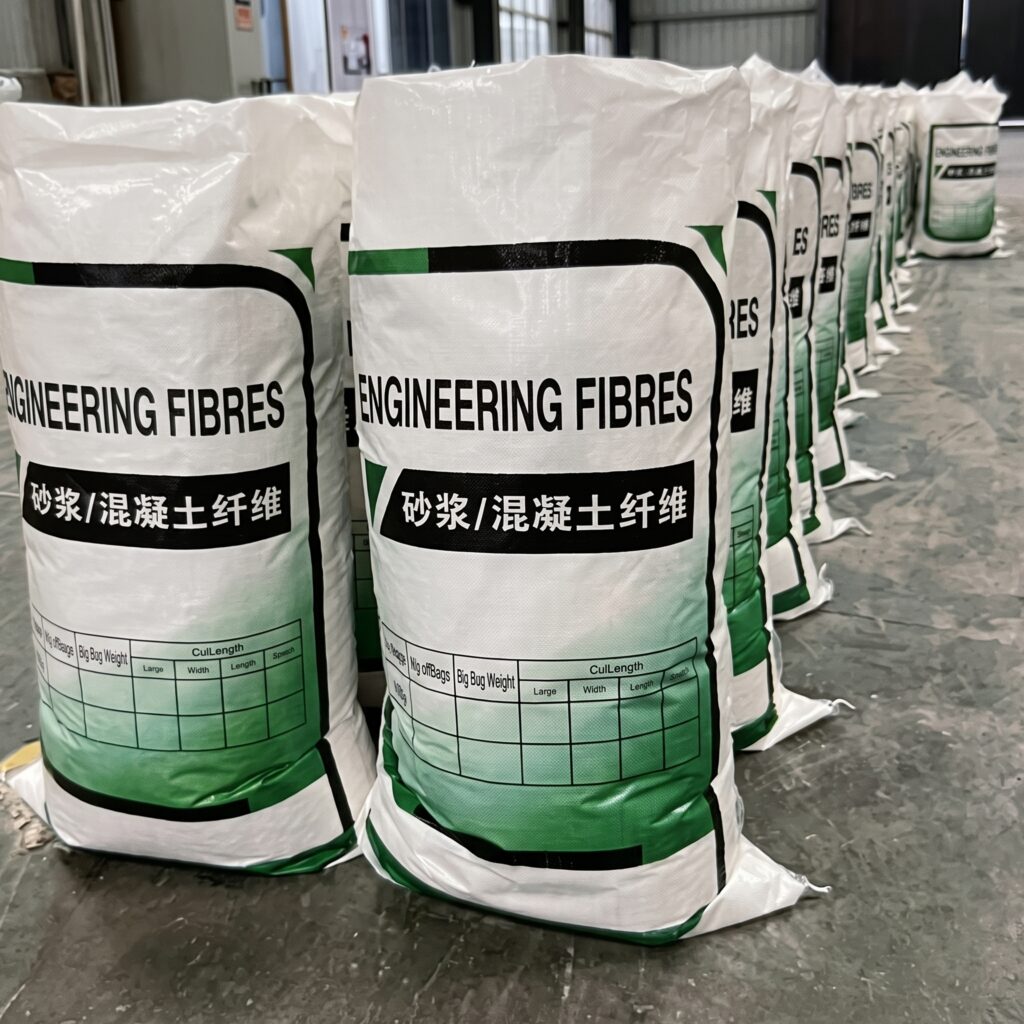
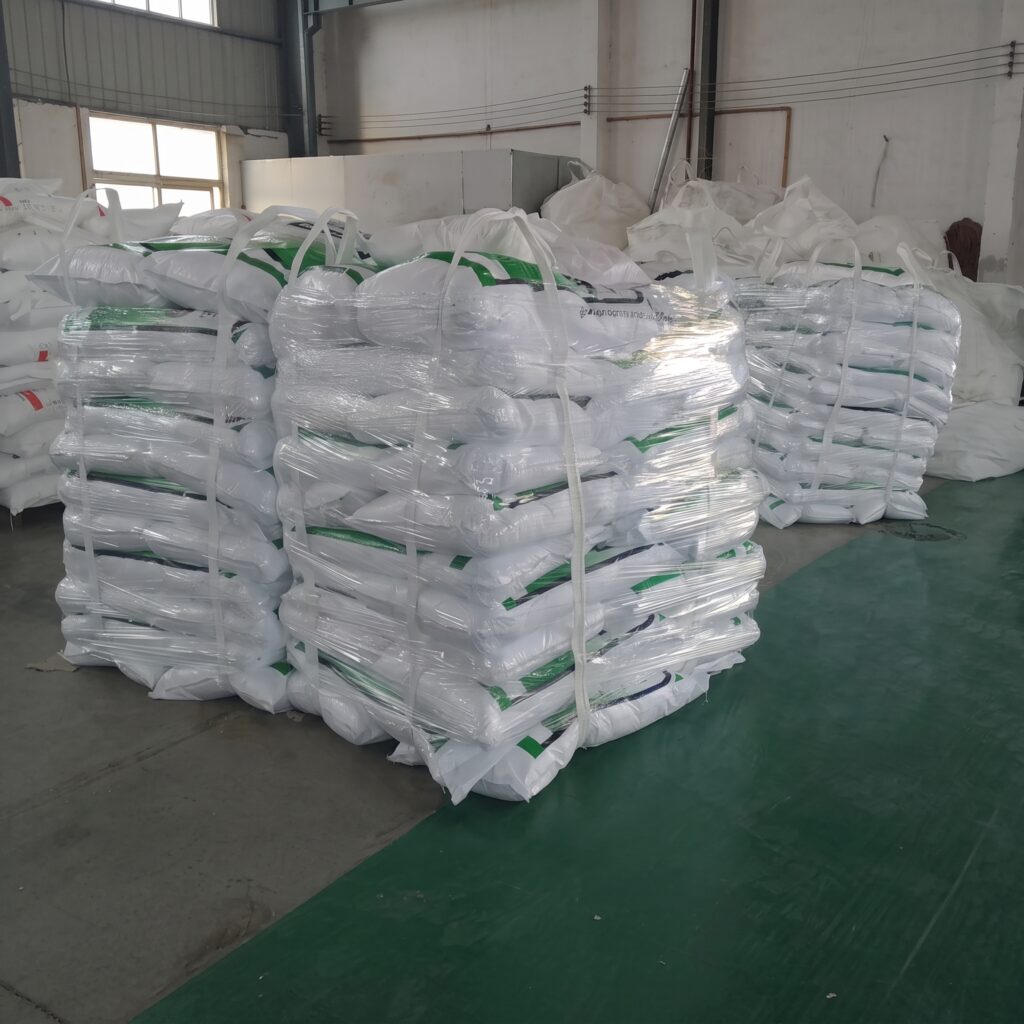
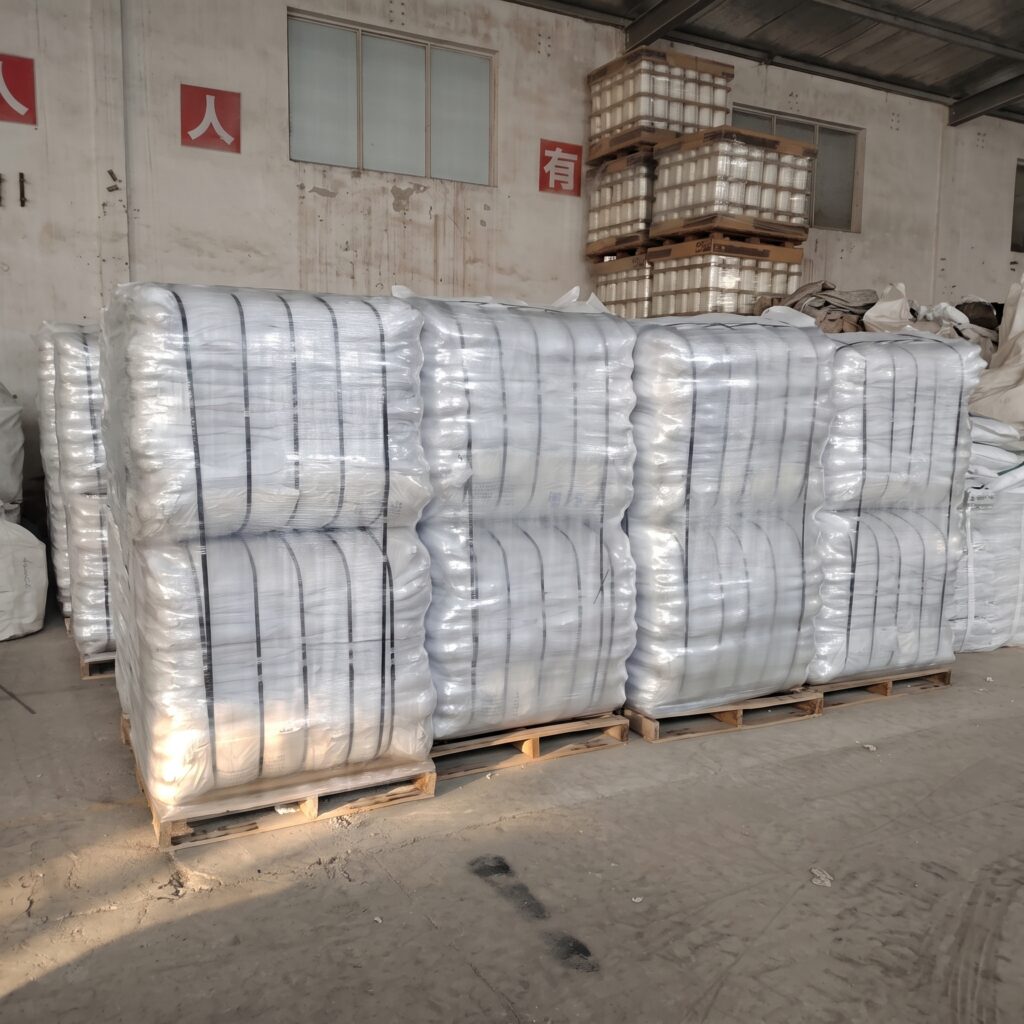
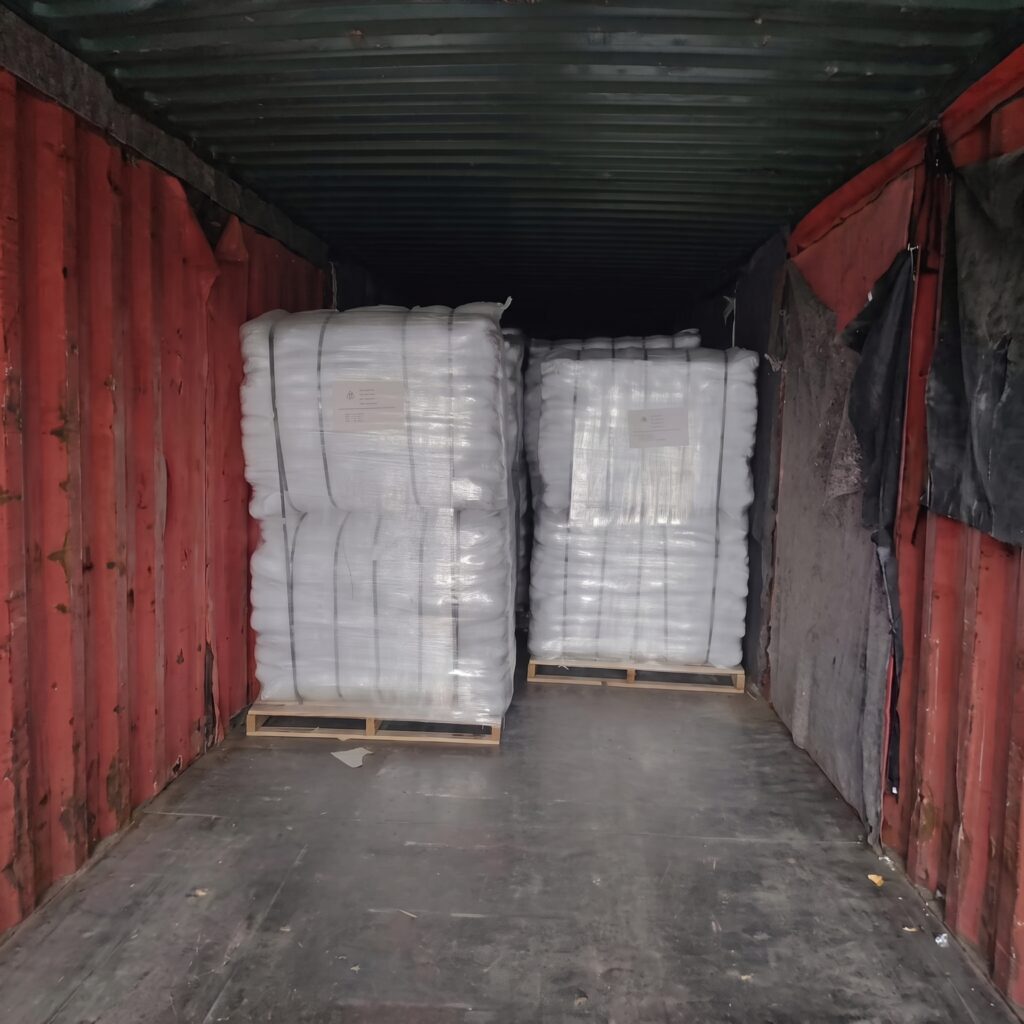
Technical guidance